

Verstappen extends Red Bull contract to 2030
Four-time world champion Max Verstappen has extended his Red Bull contract until the end of 2030, admitting retirement was closer than a team switch.

Stock photo for illustration only, not from the actual event
- Max Verstappen extends his contract with Red Bull until the end of 2030
- The driver admits he was closer to retiring than switching to another team
- Hybrid engine regulations and battery constraints sparked initial concerns
- Upcoming rule adjustments aim to restore the pure racing experience
The announcement that four-time world champion Max Verstappen has added two further years to his Red Bull contract, running until the end of 2030, has largely put existential questions about his Formula 1 future to bed. The extension follows a period of intense reflection regarding his continuation in this specific era of motorsport.
The Dutchman's frustrations boiled over just three races into the season after the Japanese Grand Prix at Suzuka. The constant need to recover energy for the batteries, the inability to keep them fully charged, and the artificial racing dynamic introduced by these elements proved overwhelming for a driver of his caliber.
As a purist who demands to drive on the limit continuously, Verstappen found it unacceptable for engines to lose 470bhp of battery power before long straights. A May outing in a Red Bull-branded Mercedes AMG GT at the Nurburgring 24 Hours reminded him of traditional racing thrills, narrowly missing victory only due to a late driveshaft failure.
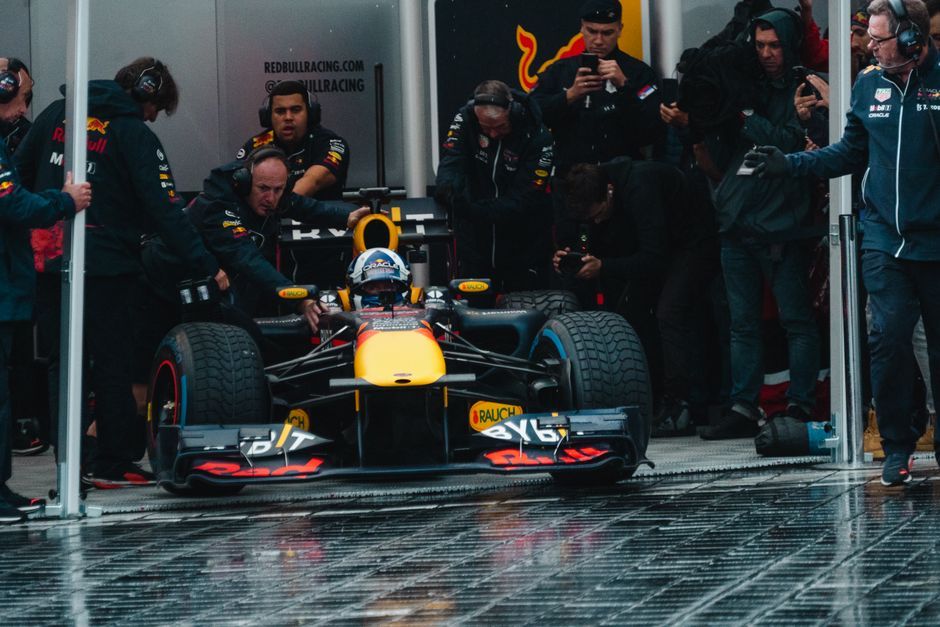
Stock photo for illustration only, not from the actual event
"I was closer to retiring than changing teams"
Following widespread driver feedback since Japan, sport executives have initiated rule tweaks for the upcoming two years to elevate the proportion of power generated by internal combustion engines. Verstappen's tone visibly softened leading into the summer break, culminating in Thursday's official confirmation.
Verstappen's contract renewal highlights the delicate balance Formula 1 must maintain between advancing sustainable hybrid technology and preserving the raw driving experience demanded by elite competitors. Regulatory willingness to adapt engine power distribution formulas proved crucial in retaining one of the sport's generational talents.
Looking ahead toward 2031 and potential natural aspiration V8 discussions proposed by FIA president Mohammed Ben Sulayem, manufacturer preferences remain split between turbocharging and hybrid integration. Ultimately, Verstappen's primary concern—unrestricted access to engine power—appears addressed regardless of future regulatory iterations.
Source: BBC Sport
Found something wrong in this article? Report an issue with this article
Comments
Leave a Comment