

Taj Recalls Dubai Staff as Hotels Navigate Slow Recovery
Dubai hotel occupancy dropped to 56.4% in H1 2026, prompting Taj to bring back relocated staff while major properties undergo renovations.
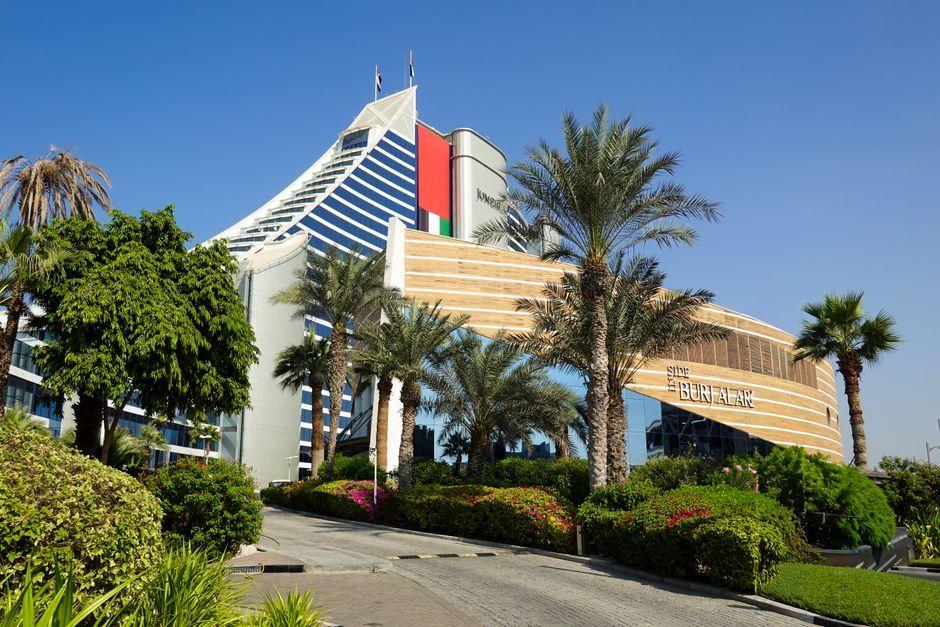
Stock photo for illustration only, not from the actual event
- Dubai hotel occupancy fell sharply to 56.4% in the first half of 2026 from 81% a year prior.
- Taj hotels have begun bringing back staff members who were relocated during the U.S.-Iran conflict.
- At least six major Dubai luxury hotels closed or partially closed for renovation amid low demand.
- Analysts do not expect travel performance to return to pre-war levels until late 2027.
The hospitality sector in Dubai, United Arab Emirates, faces significant hurdles following regional tensions from the U.S.-Iran conflict, causing overall occupancy rates to plunge to 56.4% in the first half of 2026 compared to 81% during the same period last year. Approximately 5,400 rooms have been pulled from market supply, with the country's travel and tourism sector projected to lose 46,000 jobs this year.
Amid these ongoing disruptions, operator responses have diverged noticeably. Indian Hotels Company (IHCL), which operates the Taj brand, has started recalling employees who were temporarily reassigned to other properties across the regional network at the outbreak of the conflict.
Stock photo for illustration only, not from the actual event
Saurabh Tiwari, vice president of operations for the Middle East, Maldives and Sri Lanka at IHCL, stated that staff members are gradually returning across core operational divisions including food and beverage, front office, housekeeping, and culinary departments as business levels strengthen. Taj Dubai specifically reported maintaining occupancy in the high-70% range over the past two months.
"We have started gradually bringing colleagues back to our Dubai hotels as business levels strengthen."
Concurrently, at least six major luxury hotels in Dubai—including the Burj Al Arab, Armani, Park Hyatt, and St. Regis The Palm—have capitalized on the low-demand environment by accelerating planned renovations through temporary closures. Several project completions and reopenings have consequently been pushed back into 2027.
Property closures for renovation highlight a strategic cost-management approach by hotel operators during geopolitical downturns. By upgrading facilities when international arrivals dip, hotels position themselves for future upside, contrasting with markets like Abu Dhabi that leveraged local event calendars to sustain higher resilience.
Industry analysts remain cautious, noting that full recovery to pre-war performance metrics is unlikely to materialize before late 2027 as regional geopolitical uncertainties continue to influence traveler confidence.
Source: Skift
Found something wrong in this article? Report an issue with this article
Comments
Leave a Comment