

Tesla, Uber and Waymo cleared for Nevada robotaxis
Nevada transportation officials approved permits allowing Tesla, Uber, and Waymo to deploy up to 8,000 commercial robotaxis in Las Vegas.
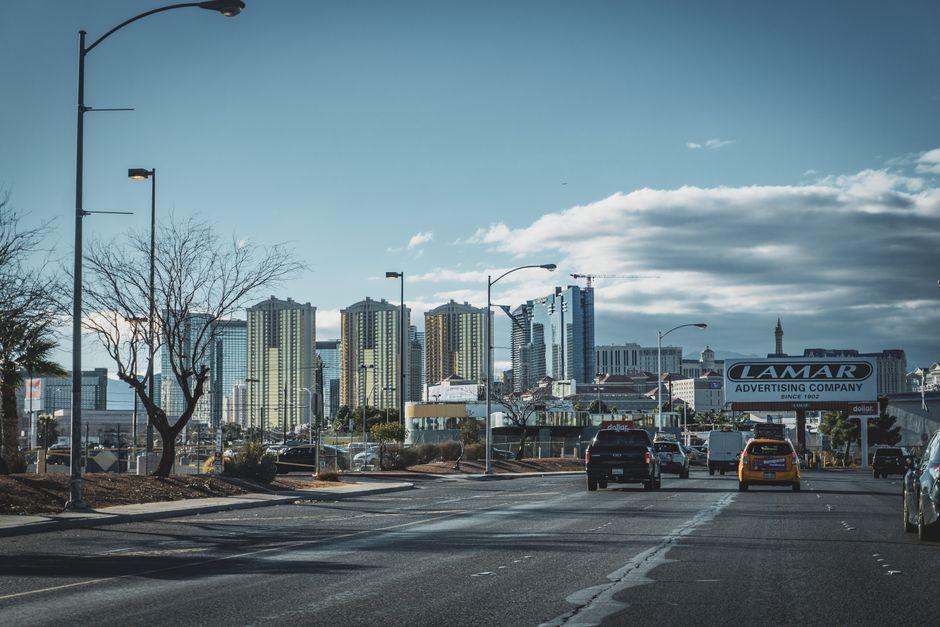
Stock photo for illustration only, not from the actual event
- Nevada Transportation Authority approved three commercial permits for robotaxi fleets.
- Permits allow deployment of up to 8,000 autonomous vehicles across Clark County.
- Tesla secured a quota of up to 5,000 units, while Waymo and Uber received 1,000 each.
- Local taxi operators strongly opposed the decision citing rapid workforce disruption.
The landscape of urban transportation in Nevada is poised for a major transformation after state regulators greenlit large-scale autonomous vehicle operations. The Nevada Transportation Authority unanimously voted during a Thursday session to approve three critical permits, enabling Tesla, Uber, and Waymo to roll out commercial robotaxi services throughout Clark County, which encompasses the bustling metropolitan area of Las Vegas.
Under the terms of these newly approved permits, the three companies are authorized to deploy a combined total of up to 8,000 autonomous robotaxis over the course of the next twelve months. However, the allocation varies significantly among the individual participants:
- Tesla received the largest share, with authorization to deploy as many as 5,000 robotaxis.
- Waymo was granted approval to operate up to 1,000 autonomous vehicles throughout the upcoming year.
- Uber also secured approval for 1,000 robotaxis, which it plans to operate via strategic partnerships with Motional, a Hyundai subsidiary, and Zoox.
Stock photo for illustration only, not from the actual event
Whether these ambitious fleet operators will genuinely manage to flood the streets with that many vehicles remains an open question. Testimony provided by representatives from Tesla and other participating firms suggests that the actual rollout figures may fall short of the authorized maximums. Even if these corporations launch only half of their permitted totals, Clark County and Las Vegas specifically are shaping up to become fiercely competitive battlegrounds for autonomous ride-hailing services.
This rapid, large-scale introduction of driverless vehicles is bound to reshape the local economy and its workforce. Representatives from traditional livery operators and local taxi companies voiced strong opposition during the proceedings, arguing that the regulatory approvals are moving far too quickly and aggressively. They warned that the widespread deployment threatens to dismantle an entire sector of traditional gig and taxi driving jobs.
"The approvals move too far, too fast."
Representatives from the Livery Operators Association and local taxi companies
The authorization of thousands of robotaxis in Las Vegas highlights the delicate balance cities must strike between embracing cutting-edge autonomous technology and protecting traditional labor markets. Areas like the Golden Triangle have long served as testing grounds for these firms, but scaling up commercial operations introduces complex socio-economic challenges. Uber's advocacy for a hybrid model points to a potential transitional phase where cities integrate automated fleets gradually during peak hours, offering a strategic blueprint for municipal authorities managing the shift toward driverless transit systems.
While other industry players push aggressively into full autonomy, Uber has attempted to position itself as a moderate alternative by advocating for a hybrid network that combines human drivers with robotaxis. During the regulatory meeting, Uber representatives emphasized that a blended approach would allow municipalities to absorb autonomous capacity gradually to meet peak travel demands without overwhelming the urban market all at once.
Source: TechCrunch
Found something wrong in this article? Report an issue with this article
Comments
Leave a Comment