

Counterpoint 2026: Costly Phones Hit 4 Markets, Apple Grows
Counterpoint Research reports declining smartphone sales across four major markets due to memory chip costs, while Apple grows in Europe, India, and Latin America.

Stock photo for illustration only, not from the actual event
- Counterpoint Research reports negative shipment growth across four major smartphone markets.
- Soaring memory chip costs have driven up retail prices and forced brands to cut promotions.
- Apple defied market trends by growing in Europe, India, and Latin America, despite a slowdown in China.
- The global smartphone market may not see a clear recovery signal until 2028.
Counterpoint Research, a technology market research firm, has released its latest smartphone market reports covering four key regions: Europe, China, India, and Latin America. The findings reveal that all four markets experienced negative year-over-year shipment and sales growth, driven primarily by a severe shortage of memory chipsets that significantly increased manufacturing costs and retail prices.
Looking at regional breakdowns, European smartphone shipments in the second quarter of 2026 dropped by 10 percent to 35 million units, marking the lowest second-quarter figure since 2023. Latin America experienced an identical 10 percent decline, its worst performance since the third quarter of 2023. In China, sales during the first 30 weeks of the year fell by 8.6 percent, returning to double-digit declines after the 618 shopping festival. Meanwhile, India saw weekly sales trail behind the previous year for almost the entire period between April and July, with growth occurring in only two weeks surrounding a major promotional festival.
Despite the broader market slump, Apple outperformed the trend in three of the four major markets. In Europe, Apple boosted its shipment market share from 25 percent in the same quarter of 2025 to 34 percent, tying with Samsung, which rose from 31 percent, while Chinese brands such as Xiaomi, Oppo, and Honor lost market share across the board. In India, Apple expanded by 15 percent, the highest in the market, fueled by continuous demand for the iPhone 17 Series and installment programs. In Latin America, Apple grew by 5 percent by absorbing cost increases instead of raising prices, while capturing roughly 51 percent of the market for phones priced above 600 US dollars.
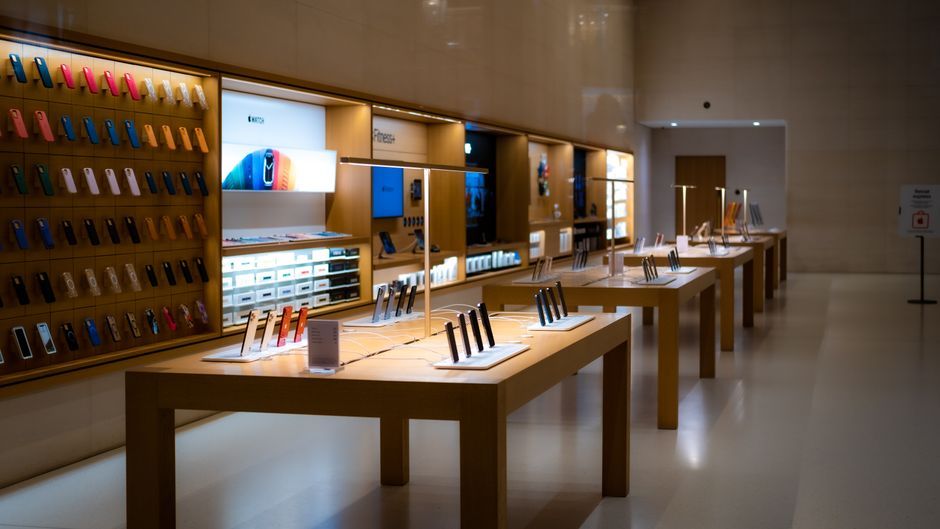
Stock photo for illustration only, not from the actual event
China remained the sole exception where Apple entered a seasonal slowdown in July after prices returned to normal and demand was largely pulled forward by the 618 festival. Huawei maintained its number-one position in China, holding over 20 percent weekly sales share since the second quarter.
"Higher component costs have driven up device prices, and manufacturers have scaled back promotions to protect profit margins. Coupled with economic uncertainty, accelerated by the Iran war, this has caused consumers to delay spending."
Jan Stryjak, Associate Director at Counterpoint Research
The current smartphone market crisis highlights how hardware supply chains, particularly memory chips, have become a major bottleneck dictating industry trends rather than consumer demand. Apple's ability to grow amidst inflationary pressures underscores the resilience of its high-end customer base, whereas budget smartphone brands have suffered heavier blows from price increases.
On a global scale, Counterpoint Research reported that worldwide smartphone shipments in the second quarter dropped by 11 percent, the lowest second-quarter level since 2013. Cost pressures on memory are expected to persist throughout the second half of 2026, and market recovery signs may not appear until 2028.
Source: Thairath Lifestyle
Found something wrong in this article? Report an issue with this article
Comments
Leave a Comment