

Wildfire-hit residents remove Greenpeace mural
Residents in Conwy, Wales, removed a Greenpeace mural of Andy Burnham painted on a mountainside recently scorched by wildfires.
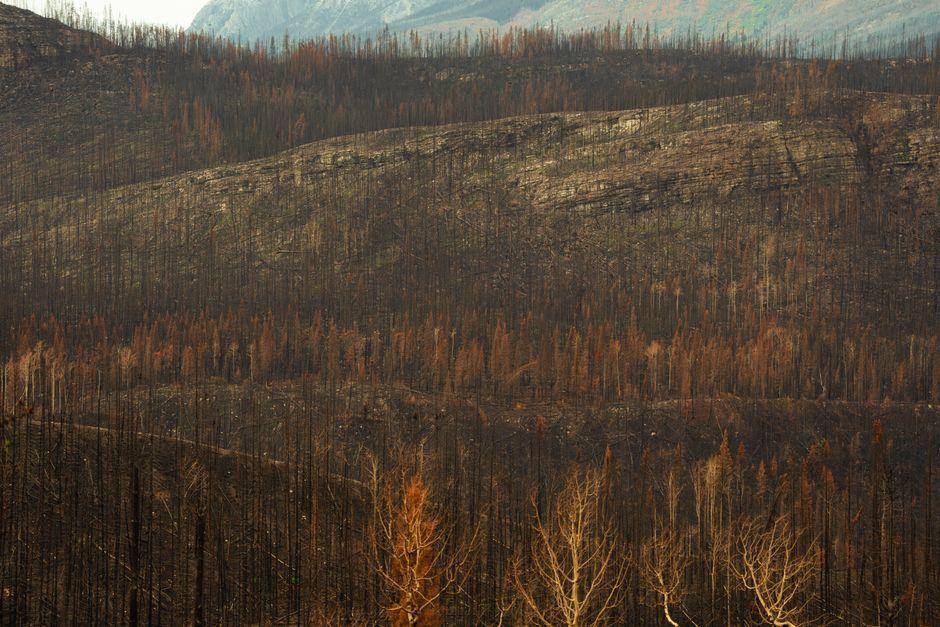
Stock photo for illustration only, not from the actual event
- Welsh residents removed a Greenpeace mural of Andy Burnham from a wildfire-hit mountain
- Greenpeace stated the artwork aimed to draw attention to the escalating climate crisis
- July wildfires burned 200 acres and forced the evacuation of 36 homes in North Wales
- Two local residents climbed the mountain to scrape away the paint and protect the landscape
Residents impacted by severe wildfires in Wales expressed deep anger and distress after environmental activists painted a large mural of Prime Minister Andy Burnham on a blackened mountainside overlooking their community. The controversial artwork appeared in Capelulo, Conwy, intensifying tensions in an area that had only recently begun recovering from a major natural disaster.
Greenpeace defended the installation, stating that the project was never intended to upset local residents but rather to draw public attention to the escalating climate crisis. The organization explained that the temporary artwork was created using water-based paint commonly utilized on sports turf, which is considered safe for grass, plants, and soil, and was applied exclusively to terrain where previous fires had already destroyed all living vegetation.
In July, approximately 200 acres of land in the region suffered extensive damage from severe wildfires, prompting the North Wales Fire and Rescue Service to declare a major incident. The intense flames came within yards of destroying local residential properties, forcing authorities to urgently evacuate 36 homes to ensure public safety.
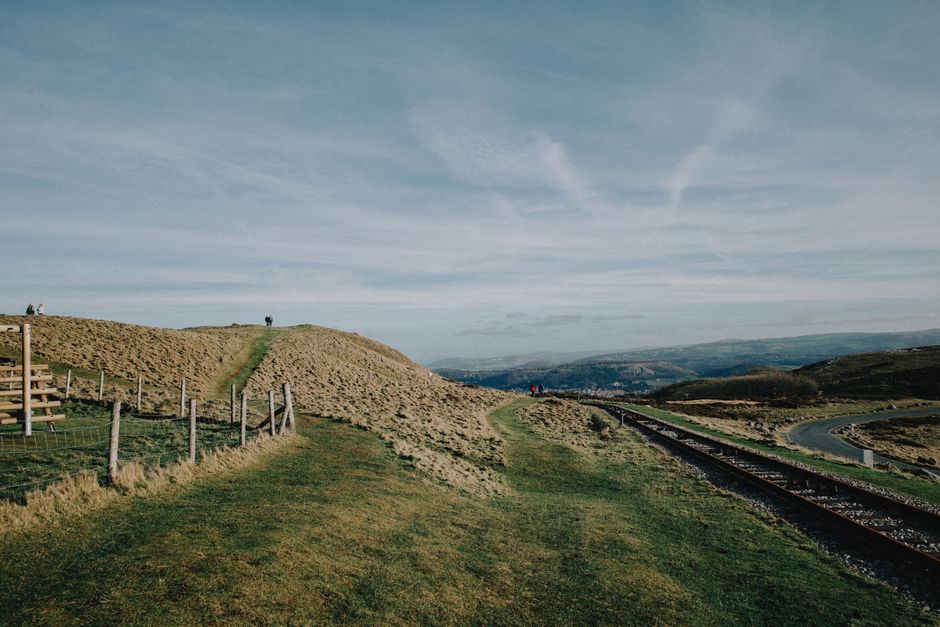
Stock photo for illustration only, not from the actual event
Allie Evans, a 53-year-old hairdresser and one of the local residents forced to evacuate during the emergency, explained that she felt overwhelming anger and upset upon seeing photographs of the mural circulating online. She decided to hike up the mountain to inspect the site firsthand, condemning the installation as deeply disrespectful to the natural landscape and an intrusion into the collective grief of the community.
"I can't remember having been so angry and upset all at once. It was so disrespectful to the landscapes. It was also an intrusion into local grief."
Allie Evans
Evans argued that a simple banner could have delivered the organization's climate message just as effectively without altering the environment. Concerned that the mural would attract large crowds and lead to further trampling of the fragile hillside, she teamed up with Dean Ward, a resident from nearby Rhos-on-Sea, to take matters into their own hands and remove the paint.
This incident highlights the complex friction that can occur between high-profile environmental campaigning and local community sensitivities. While direct action groups frequently utilize striking visual protests to pressure political leaders on climate policies, executing such interventions in areas recovering from natural disasters risks alienating the very populations who are already bearing the direct brunt of climate-related devastation.
The pair worked to break up the dried paint and rake the flakes into the soil, though Evans noted that portions of the paint had been baked hard by the previous heat, making complete removal difficult. As a result, faint stripes remain visible on the site even though the overall graffiti has been disrupted.
Source: BBC Science & Environment
Found something wrong in this article? Report an issue with this article
Comments
Leave a Comment