

US government lab probes Chinese lidar for security risks
A Department of Energy lab is investigating Chinese lidar sensors for security vulnerabilities as lawmakers push to ban them from US roads.

Stock photo for illustration only, not from the actual event
- US Energy Department lab investigates security risks of Chinese lidar sensors
- Lawmakers raise concerns over potential espionage and national security threats
- Automakers face pressure as Chinese lidar prices drop significantly
A United States Department of Energy laboratory is investigating whether lidar sensors manufactured in China present security risks if they see widespread deployment on vehicles across the country, according to industry sources familiar with the initiative who spoke on the condition of anonymity.
The review is being conducted by the Idaho National Laboratory and is funded by corporate entities within the electric vehicle and autonomous driving sectors. However, the specific companies backing the study remain undisclosed. Representatives from major automotive and technology firms including Rivian, General Motors, Ford, Kodiak, Lucid Motors, Nuro, and Uber stated they had no knowledge of the assessment, while Nvidia, Zoox, and Aurora declined to comment.
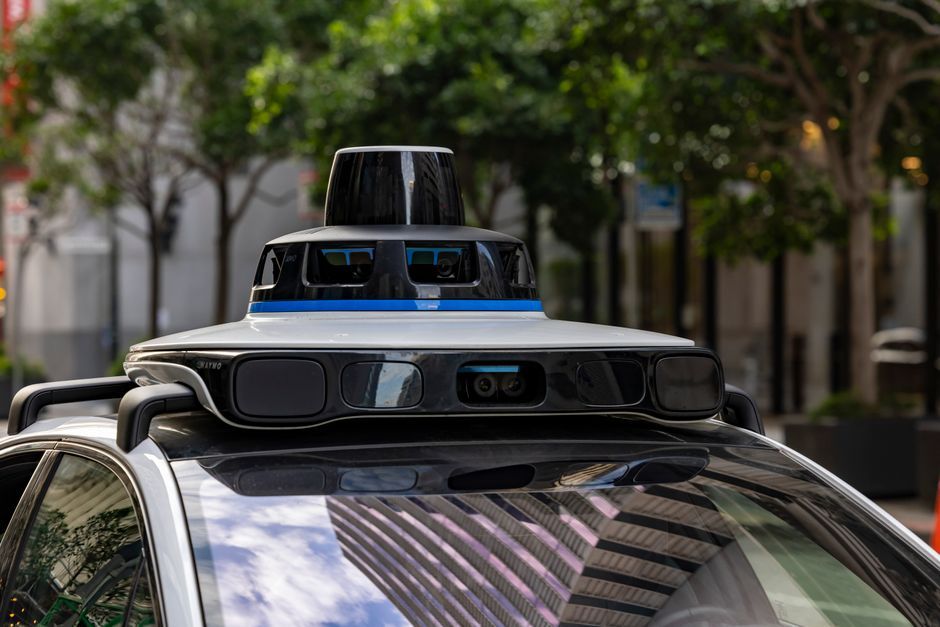
Stock photo for illustration only, not from the actual event
The Idaho National Laboratory declined to address the review directly, repeating previous statements that the project is not open for public discussion. Meanwhile, leading Chinese lidar manufacturers Hesai and RoboSense did not respond to multiple inquiries regarding the investigation. Lidar technology uses laser pulses to calculate distances to nearby objects, providing autonomous vehicles with high-resolution spatial awareness.
This federal investigation highlights the growing intersection between automotive technology and national security. Modern autonomous vehicles function as rolling data collection hubs, raising concerns among regulators that foreign hardware components could potentially gather sensitive infrastructure and location data.
The evaluation coincides with mounting legislative pressure in Washington, where federal lawmakers are advancing bills aimed at restricting Chinese sensor technology:
- Senator Tammy Baldwin is spearheading the Securing Infrastructure from Adversaries Act to counter industrial and military espionage risks.
- Representative John Moolenaar has expressed concern regarding potential backdoors that could transmit vehicle data to foreign entities.
"As infrastructure becomes more sophisticated, the threat Chinese LiDAR technology poses to American communities and our national security cannot be allowed to go unchecked."
Senator Tammy Baldwin
Omer Keilaf, CEO and co-founder of Israeli lidar firm Innoviz, noted that utilizing foreign hardware introduces multiple risk layers, ranging from supply chain dependencies to cybersecurity threats such as remote sensor disabling or data extraction through cellular communication modules.
These security discussions gain urgency as manufacturing efficiencies have driven down lidar costs over the past decade, plummeting from historical highs of around 75,000 dollars down to a few hundred dollars, prompting several American automotive developers to explore Chinese alternatives amid domestic industry consolidation.
Source: TechCrunch
Found something wrong in this article? Report an issue with this article
Comments
Leave a Comment