

Waymo doubles lobbying spend in robotaxi battle with Uber
Alphabet's autonomous vehicle division ramps up regulatory efforts with US officials to clear the path for full commercial services.
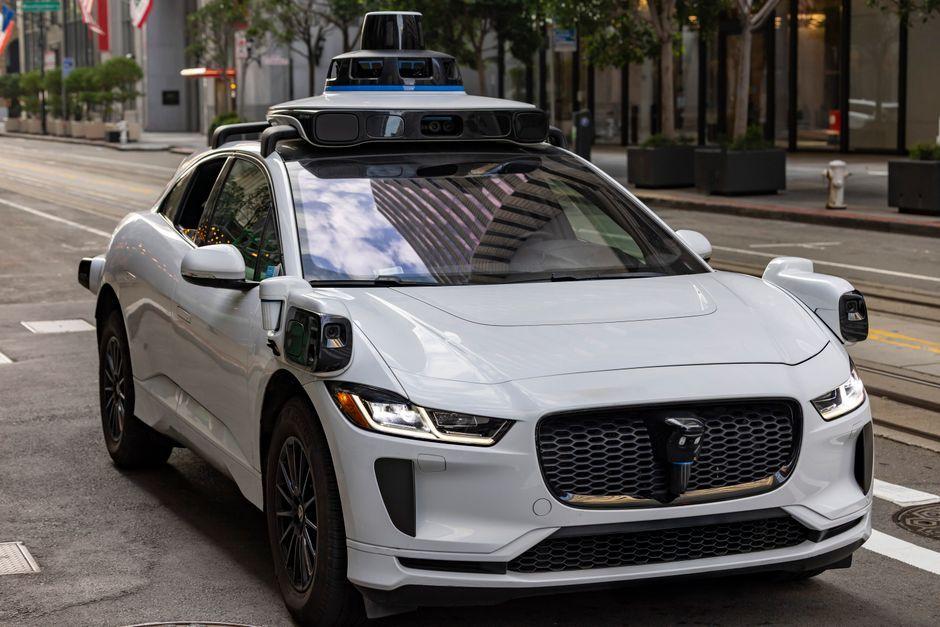
Stock photo for illustration only, not from the actual event
- Waymo has doubled its lobbying expenditures to accelerate robotaxi deployment
- The company is actively persuading US regulators to clear the path for operations
- Alphabet is intensifying its commercial rivalry against primary competitor Uber
Alphabet-owned Waymo is significantly stepping up its strategic efforts in the autonomous vehicle sector by doubling its financial investment in legislative lobbying. According to recent disclosures, the company is intensifying its outreach to government officials and policymakers to secure a favorable regulatory environment in the United States.
This aggressive push comes amidst a heating up market race for dominance in the autonomous taxi industry. With major rivals like Uber fiercely contesting market share and urban deployment footprints, securing regulatory clearance has become a critical battleground for companies striving to scale their commercial operations nationwide.

Stock photo for illustration only, not from the actual event
At present, the primary hurdle for self-driving technology developers extends far beyond artificial intelligence capabilities or road safety metrics. It is heavily tied to a complex patchwork of federal and state regulations that often restrict fully driverless commercial passenger services from operating freely across municipal boundaries.
The decision by a tech giant like Waymo to heavily fund lobbying initiatives highlights a broader industry shift. In modern technology sectors, commercial success depends not only on superior software engineering but also on navigating political landscapes and securing regulatory approvals ahead of competitors—a playbook long utilized by legacy telecommunications and automotive giants.
Should Waymo successfully persuade US regulators to establish streamlined federal standards or favorable oversight policies, it will drastically reduce the friction of obtaining state-by-state permits. This regulatory breakthrough would allow the company to rapidly expand its robotaxi fleet into new metropolitan areas, cementing a dominant lead over its competitors.
Source: Ars Technica
Found something wrong in this article? Report an issue with this article
Comments
Leave a Comment