

How to see July's full Buck Moon as it rises in the night sky
The July full Buck Moon is set to light up the UK night sky this week alongside other summer celestial events.
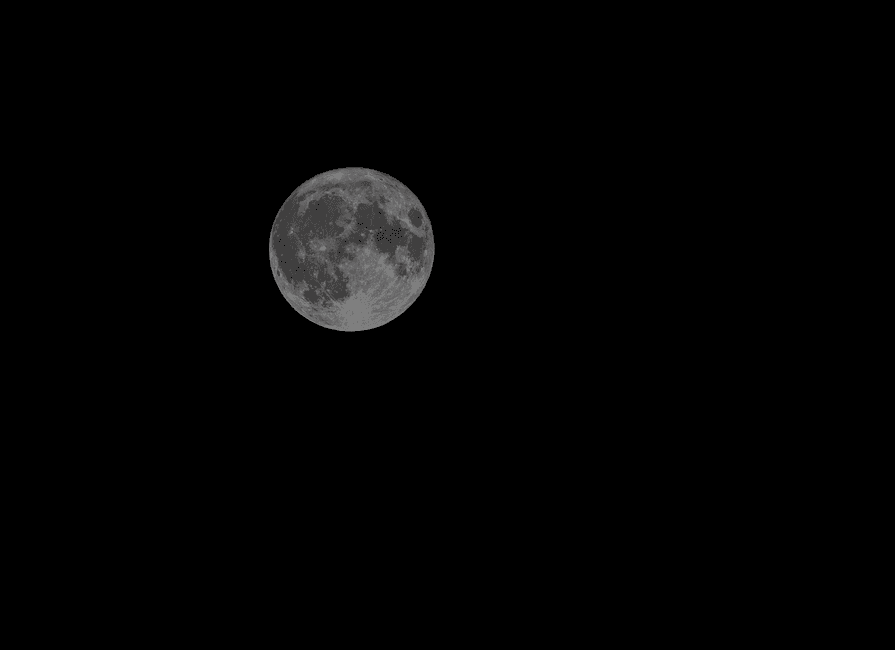
Stock photo for illustration only, not from the actual event
- The Buck Moon peaks at 15:36 BST on 29 July.
- The name originates from male deer growing new antlers.
- Favorable viewing conditions are expected across parts of the UK.
- Perseid meteor shower and solar eclipse follow in August.
The July full Moon, widely known as the Buck Moon, is preparing to illuminate the night sky across the UK in the coming week. This marks the second of three full Moons scheduled for this summer season.
The exact moment of maximum fullness is set to occur at 15:36 BST on 29 July. Although the peak moment will be missed across the UK because the Moon sits just below the horizon, stargazers will still enjoy a full view with the naked eye overnight on Tuesday and Wednesday.
Historical names for full Moons were traditionally tied to environmental changes used to track seasons. According to the Royal Observatory in Greenwich, the July full Moon is also called the Thunder Moon due to frequent summer storms, and the Hay Moon following the July hay harvest.
Based on current forecast models, observers have a strong chance of viewing the Buck Moon across much of the UK on the night of 29 July, particularly across central, southern, and eastern regions where skies are forecasted to remain mostly clear.
Stock photo for illustration only, not from the actual event
Meanwhile, northern and western areas might encounter slightly more cloud cover at times, though prolonged rain is unlikely. England will experience settled weather with clear skies after dark, remaining very mild with light winds and favorable viewing conditions.
Beyond the Buck Moon, summer skies offer additional celestial highlights, including the Perseid meteor shower active through July and August. The shower peaks overnight from 12 August into the predawn hours of 13 August, coinciding with a total solar eclipse visible over mainland Europe, while the UK will witness a partial eclipse covering around 90 percent of the Sun.
Source: BBC Science & Environment
Found something wrong in this article? Report an issue with this article
Comments
Leave a Comment