

Motorola's GrapheneOS phones will launch in 2027
The privacy-focused Android-based OS GrapheneOS is expanding beyond Pixel devices to Motorola smartphones in 2027 at a higher price point.
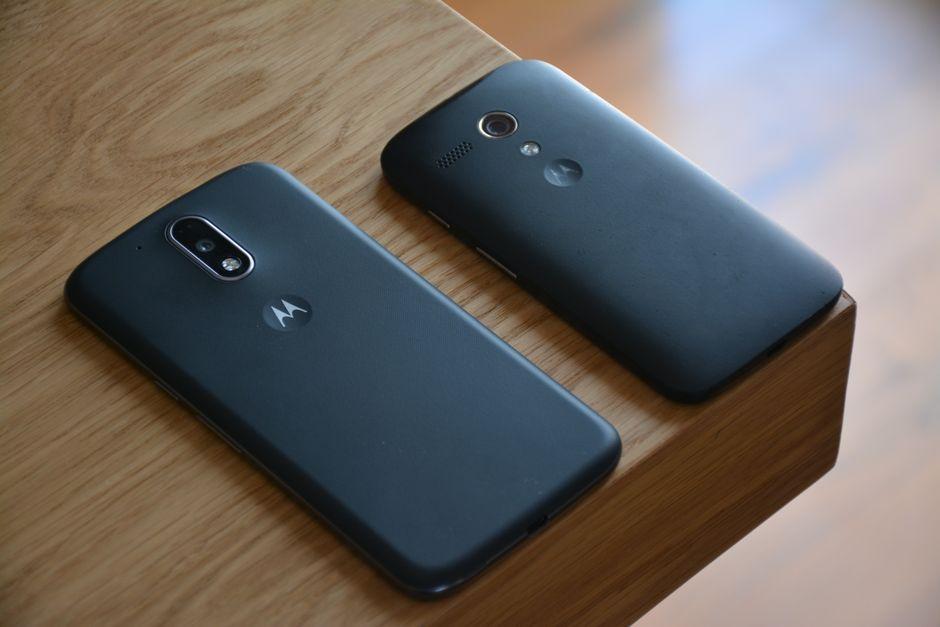
Stock photo for illustration only, not from the actual event
- GrapheneOS is expanding beyond Google Pixel devices to Motorola hardware.
- The official launch is scheduled for 2027 with a higher price tag than Pixels.
- The OS focuses heavily on advanced security and user privacy on Android.
The privacy-focused, Android-based operating system GrapheneOS is preparing to expand its ecosystem beyond its traditional hardware boundaries. Users will soon be able to experience this specialized operating system on Motorola smartphones.
According to recent announcements, the rollout of Motorola smartphones featuring pre-installed GrapheneOS is slated for 2027. This marks a major shift, as the software has historically been restricted primarily to Google's Pixel device lineup.
Expanding GrapheneOS to Motorola hardware represents a significant milestone for privacy-conscious mobile users. Previously, adopting this security-focused OS required purchasing a Pixel device. Opening up to Motorola broadens the hardware ecosystem, even though pricing is expected to reflect a premium tier.

Stock photo for illustration only, not from the actual event
Alongside the launch timeline, pricing details have emerged indicating that these upcoming Motorola devices will carry a higher price tag compared to Pixel smartphones. This reflects the specialized engineering and software integration required for a custom privacy OS.
This collaboration between a high-security operating system and a major hardware manufacturer is expected to appeal strongly to security-conscious consumers, despite the premium cost associated with the devices.
Source: Ars Technica
Found something wrong in this article? Report an issue with this article
Comments
Leave a Comment