

Michael Polansky is training an AI model on living human skin
Outer Biosciences co-founder and Lady Gaga partner Michael Polansky is training artificial intelligence using living human skin tissue kept alive outside the body.
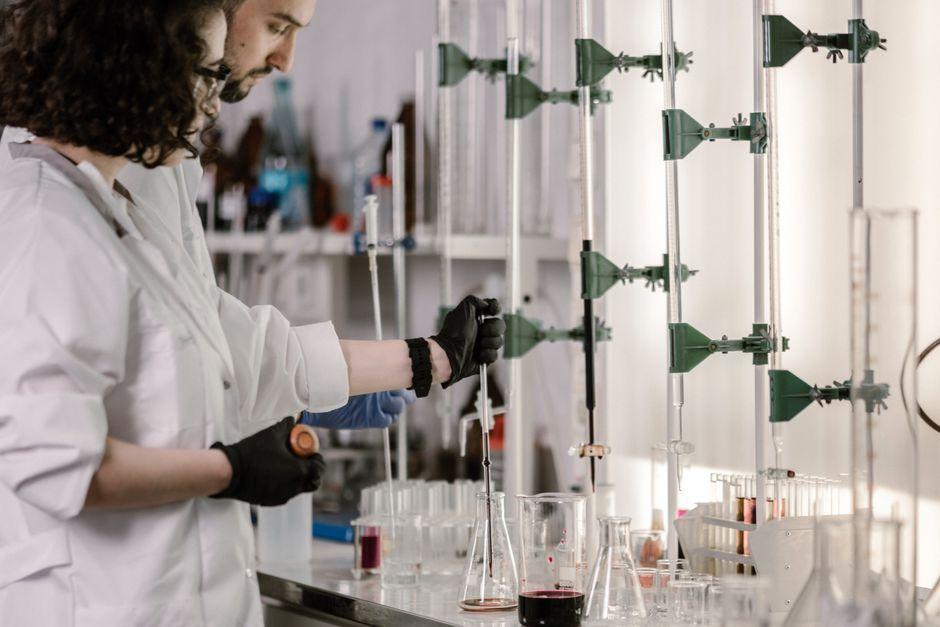
Stock photo for illustration only, not from the actual event
- Michael Polansky, co-founder of Outer Biosciences, is training an AI model on living human skin.
- The company keeps human skin tissue alive outside the body for over a month.
- This technology enables researchers to study long-term skin reactions and chemical impacts.
Seated at a leafy patio outside a popular bakery in Mill Valley, an affluent town about 15 miles north of San Francisco, Michael Polansky possesses the friendly demeanor of a young professor. He leads an unlikely double life, navigating the celebrity world as the romantic and business partner of Stefani Germanotta, better known as Lady Gaga, while simultaneously running a stealthy biotech startup.
Polansky serves as CEO and co-founder of Outer Biosciences, alongside Kyung-Jin Jang, Chris Hinojosa, and Stanley King. The company was born out of frustration that biological innovation lags behind software development due to ethical barriers preventing direct human experiments, while traditional proxies like animal models or lab organoids remain poor substitutes for real human organs.
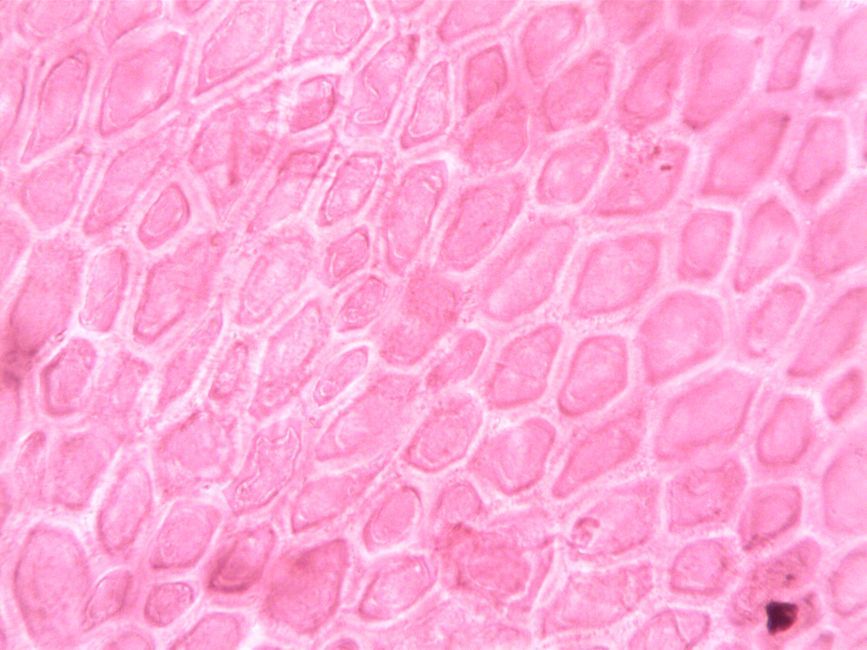
Stock photo for illustration only, not from the actual event
To overcome this, Outer Biosciences sources human skin slated for disposal after plastic surgery through vetted biobanks. Their proprietary support system supplies nutrients and removes metabolic waste, extending the viable lifespan of the tissue well past the industry norm of just a few days.
Extending tissue survival for up to a month allows researchers to track slower biological processes that take weeks to unfold, such as ultraviolet B damage recovery, while retaining the tissue's original molecular programs.
Maintaining living human tissue outside the body for weeks is a monumental bioengineering challenge, as cells typically degrade rapidly without a simulated vascular system. This breakthrough bridges the critical gap between basic cell cultures and human clinical trials.
Ultimately, all experimental results from these living tissue tests are fed back into an AI model. The system predicts which untested chemicals will benefit specific skin functions, tests them on the tissue, and uses the feedback to refine its predictions for the next cycle.
Source: TechCrunch
Found something wrong in this article? Report an issue with this article
Comments
Leave a Comment