

A Codex Skill That Generates Editable Draw.io Diagrams
Tired of static architecture screenshots? An open-source tool now translates natural language descriptions into fully editable .drawio files.

Stock photo for illustration only, not from the actual event
- Replaces static PNGs and screenshots with fully editable Draw.io files.
- Built as an open-source Codex Skill named drawio-mxgraph for XML generation.
- Supports incremental updates without redrawing unaffected nodes.
- Includes a built-in validator to catch structural issues early.
Most AI diagram workflows traditionally conclude with a standard PNG or a static screenshot. While the output might look polished initially, any subsequent change to the underlying architecture forces you to redraw the entire diagram or regenerate the whole image from scratch.
To solve this, developers needed a different workflow: describing a system in natural language, receiving a genuine Draw.io file, and retaining the ability to edit every individual node, label, connector, group, and icon.
This exact requirement led to the creation of drawio-mxgraph, an open-source Codex Skill designed to turn architecture and process descriptions into validated, editable .drawio files hosted on GitHub under the repository drawio-mxgraph-skill.
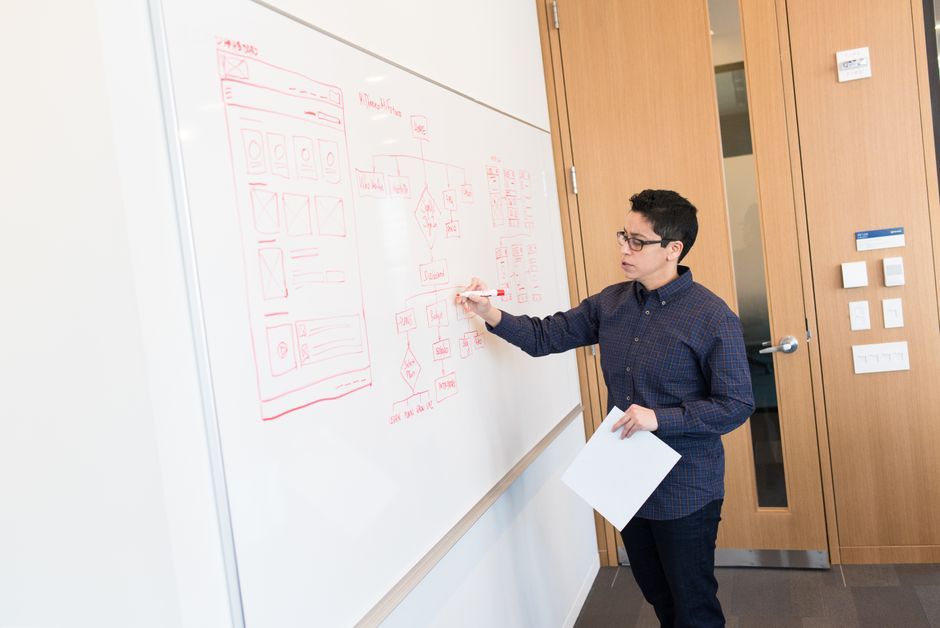
Stock photo for illustration only, not from the actual event
Static diagram generation often breaks down during iterative design because minor updates require full regeneration. By utilizing editable vector formats like mxGraph XML, engineering teams can treat architecture diagrams closer to actual source code, making them version-controllable and adaptable to rapid structural changes.
A common failure mode in AI-generated diagrams is treating every edit as a full redraw, rendering small requests surprisingly destructive. Simple adjustments like moving the ticketing system below the CRM or adding an observability group usually ruin manual placements.
This Skill addresses the issue by updating only the affected cells. Existing labels, styles, icons, connections, and manually adjusted positions remain completely intact, making the diagram behave much more like source code than a disposable image.
The repository features an editable example for an intelligent customer-service system built with AgentBuilder, connecting multiple enterprise components while allowing incremental revisions such as adding fraud-check services or switching layouts.
Source: Dev.to
Found something wrong in this article? Report an issue with this article
Comments
Leave a Comment