

Mice hibernation causes synapse loss while keeping memories
Research shows putting mice into hibernation results in a major loss of synapses, yet their memories remain intact.
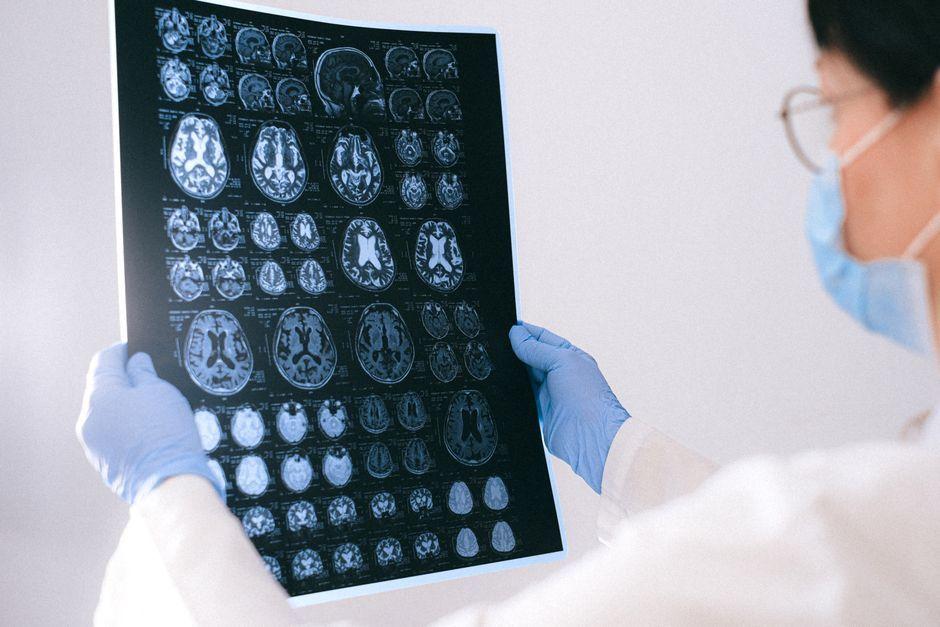
Stock photo for illustration only, not from the actual event
- Hibernation in mice causes a major reduction in synapses by half
- Memories are retained despite the significant structural brain loss
- Researchers are investigating neural resilience during hibernation
Hibernation is a fascinating biological process that various animals use to survive through harsh conditions. Recent research focusing on mice has uncovered surprising findings regarding the impact of hibernation on the brain, revealing that putting mice into hibernation leads to the loss of about half of their synapses.
Despite this massive reduction in critical neural connections, experiments showed that the mice still retained their memories. This outcome astonished scientists, as memories have traditionally been thought to rely heavily on stable synaptic structures within the brain.
This phenomenon challenges traditional neuroscience views that memories require fixed synaptic stability. The fact that memories persist even after half of the synapses are gone suggests that the brain's memory storage mechanisms are far more flexible and complex than previously assumed, potentially opening new avenues for dementia research.
This study offers a fresh perspective on mammalian brain function during hibernation and could help us better understand neural protection and memory preservation under extreme biological stress.
Stock photo for illustration only, not from the actual event
Source: Ars Technica
Found something wrong in this article? Report an issue with this article
Comments
Leave a Comment