

Heatwaves could reshape school calendars and learning
Extreme UK heatwaves push classroom temperatures above 30C, forcing over 1,000 schools to close early and threatening exam results.
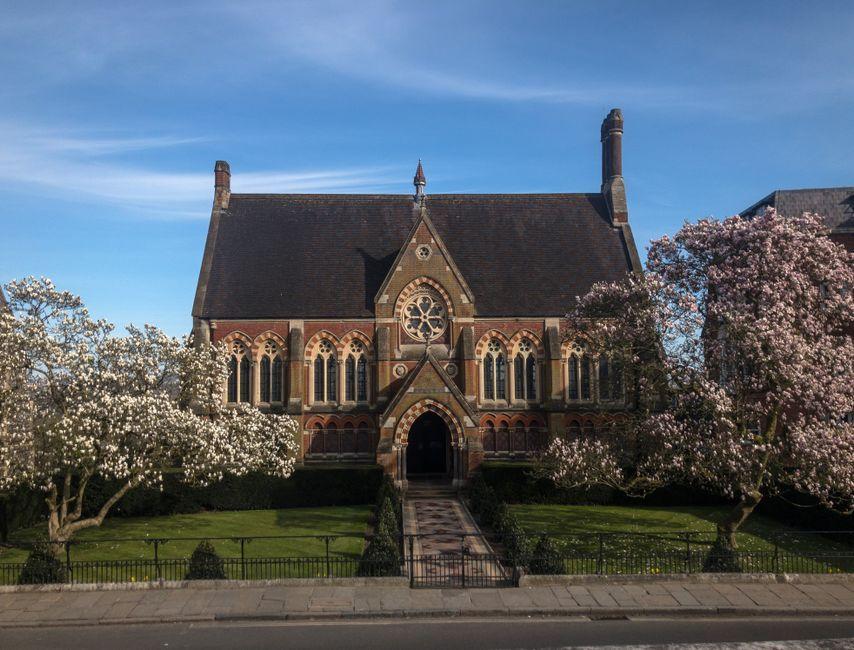
Stock photo for illustration only, not from the actual event
- Classroom temperatures exceeded 30C without air conditioning or adequate ventilation.
- Over 1,000 schools across the UK closed or sent students home early during peak heat.
- GCSE and A-level exams faced severe disruptions during intense June heatwaves.
- Studies estimate students could lose 8.2 learning days a year if global warming hits 2C.
Over the past two weeks, the sound of children has returned to Scotland's school playgrounds. Their summer breaks began in late June or early July and ended in mid-August, an academic year replicated in other European countries too.
In England, Wales and Northern Ireland, however, children will not return until early September. Their holidays are a similar length to Scotland's, but England and Wales schools did not break up until late July, meaning pupils were in school during the peak of the early summer heat.
Or at least they were meant to be in school. While it was 30C or more outside, inside many classrooms it felt far hotter. With no air conditioning and limited ventilation, the heat became stifling, and more than 1,000 schools across the UK either closed or sent pupils home early before the hottest part of the afternoon. Conditions were particularly challenging for GCSE and A-level students sitting exams during extreme heat.
This summer was not a one-off. BBC analysis of temperature data shows a clear shift. In the 1960s, the first 30C day occurred on average on 13 July. In the 2020s, that figure has moved forward to 19 June.
Stock photo for illustration only, not from the actual event
The Met Office reported that this summer is likely to become the hottest on record. Multiple temperature records have been broken, featuring five widespread heatwaves and four consecutive months where temperatures exceeded 35C, an unprecedented occurrence.
Human-induced climate change is directly challenging traditional infrastructure in cooler regions like the UK, where buildings were historically designed to retain heat. As extreme summer temperatures become the norm, educational institutions are forced to rethink academic calendars and building adaptations to protect student health and performance.
A 2024 study published in the journal Climate Risk Management suggested that any temperature above 24C can compromise learning. It also found a decline in student performance ranging from 2% to 12% for each degree increase in classroom temperature. Furthermore, the Climate Change Committee's Well-Adapted UK report indicated that taking an exam on a 32C day leads to a roughly 10% lower likelihood of passing compared to 22C.
"As heatwaves become more frequent and intense, it is unacceptable that children are expected to sit high-stakes exams in halls that were not designed for these conditions."
Baroness Brown
In hotter European countries like France and Spain, local authorities have extreme heat guidelines that trigger timetable changes or school closures during very high temperatures—a model some argue the UK may need to consider as its summers continue to shift.
Source: BBC Science & Environment
Found something wrong in this article? Report an issue with this article
Comments
Leave a Comment