

Volcanoes That Made History: How Eruptions Shaped Earth
Massive volcanic eruptions have dramatically altered Earth's climate and human societies across the globe throughout history.
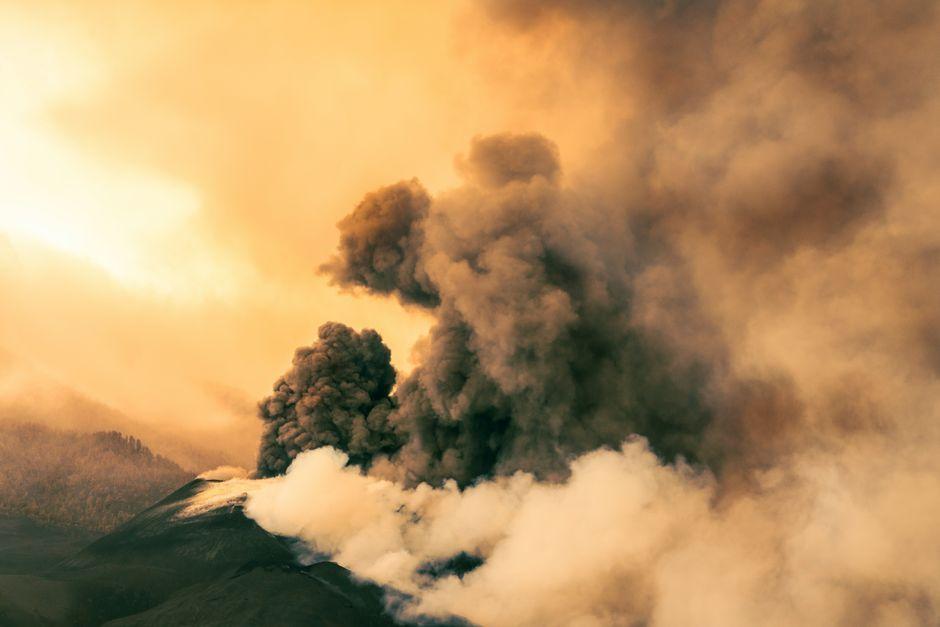
Stock photo for illustration only, not from the actual event
- Massive volcanic eruptions trigger global-scale impacts.
- Historical events transformed both climate and human societies.
- Natural forces have repeatedly reshaped the course of human history.
Catastrophic volcanic eruptions are far more than isolated geological spectacles; the immense power unleashed from beneath the Earth's crust has fundamentally rewritten global history on multiple occasions. These profound consequences extended far beyond the immediate blast zones, driving sweeping transformations in worldwide climate patterns.
Scientific and historical records demonstrate that colossal eruptions propel massive volumes of ash and gases high into the atmosphere, effectively blocking sunlight and causing global temperatures to plummet abruptly. This disruption severely destabilized ecosystems, agricultural output, and human livelihoods on a global scale.
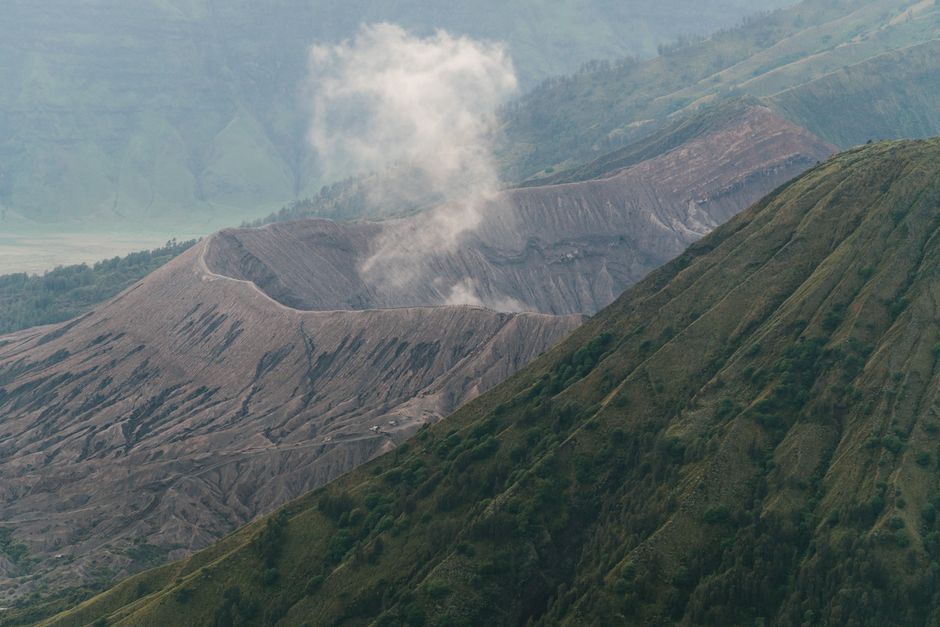
Stock photo for illustration only, not from the actual event
From a scientific perspective, major volcanic eruptions release significant amounts of sulfur dioxide into the stratosphere, forming sulfate aerosols that reflect sunlight back into space and cause prolonged global cooling. Historical precedents include major events like the 1815 eruption of Mount Tambora, which led to the infamous year without a summer.
Beyond erratic weather patterns, widespread famine, disease, and social upheaval frequently followed in a devastating cascade when agricultural yields collapsed. Consequently, history records volcanic catastrophes as pivotal turning points capable of destabilizing entire ancient civilizations.
Source: Ars Technica
Found something wrong in this article? Report an issue with this article
Comments
Leave a Comment