

France links 301 drownings to severe heatwaves in 2026
French Sports Minister Marina Ferrari reports a 14% rise in drowning deaths since June 19, 2026, driven by intense heatwaves.
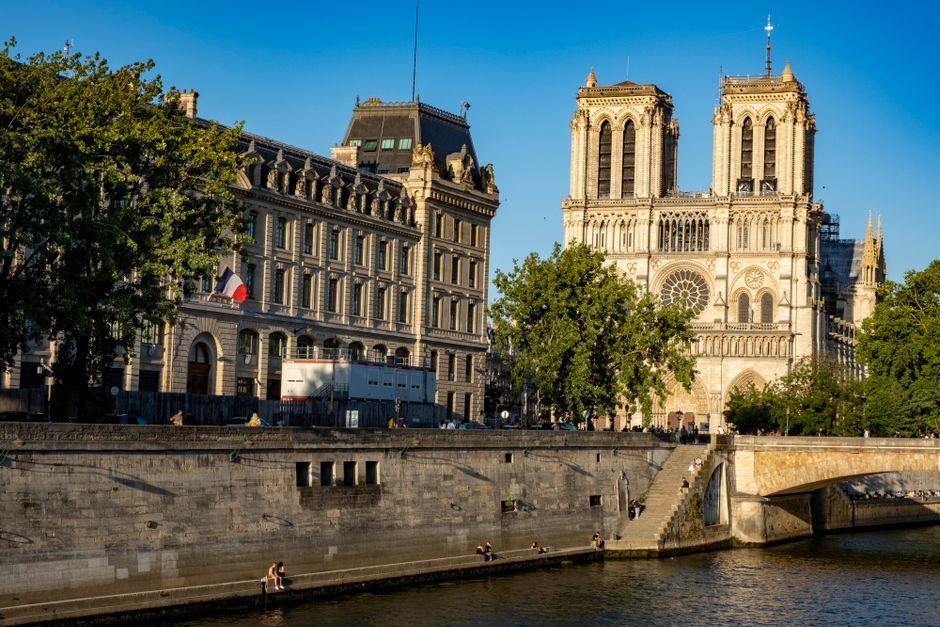
Stock photo for illustration only, not from the actual event
- France records 301 drowning deaths since June 19, 2026.
- Death toll marks a 14% increase compared to the previous year.
- Government links the surge to intense heatwaves and swimming in unauthorized areas.
The French government has reported a total of 301 drowning fatalities since June 19, 2026, drawing a direct connection between the sharp spike in deaths and the prolonged heatwaves affecting the nation. Officials noted that the hot weather has pushed many residents to seek relief in bodies of water despite the underlying dangers.
Sports and Youth Minister Marina Ferrari told France Inter radio that the death toll represents a tragic milestone, surging 14 percent higher than the figures recorded in 2025. France, alongside neighboring Spain and Italy, has faced punishing heatwaves that have also ignited massive wildfires scorching thousands of hectares of land across the region.
Minister Ferrari highlighted that many individuals have taken severe risks by entering unsupervised waters. A significant number of fatal incidents have occurred in open water locations such as canals, as well as in private swimming pools, particularly impacting elderly individuals who may struggle with sudden temperature shifts.
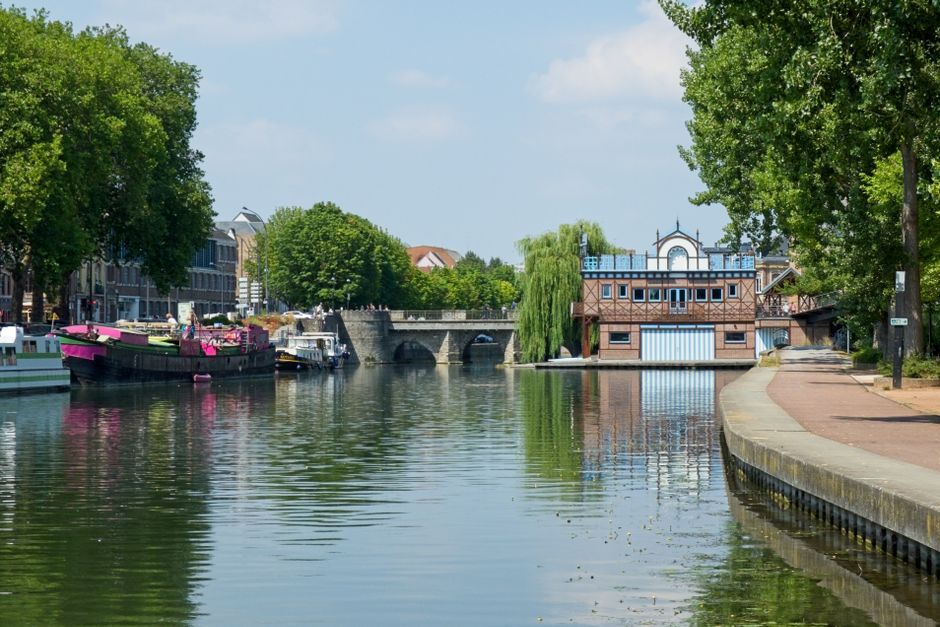
Stock photo for illustration only, not from the actual event
"Many deadly accidents have occurred in areas that are not authorised or supervised for swimming."
Marina Ferrari, French Sports and Youth Minister
In response to the crisis, the French government is actively collaborating with regional authorities to enhance safety measures and improve designated swimming zones. Back in June, Ferrari had already issued warnings regarding citizens attempting to cool off in rivers and canals without fully assessing the hazards involved.
Climate scientists note that Europe is warming faster than any other continent, heating up at twice the global average according to Copernicus data. This environmental shift exacerbates physiological risks, as sudden immersion in cooler water during peak heatwave conditions can easily trigger body shock and physical exhaustion.
Source: BBC Science & Environment
Found something wrong in this article? Report an issue with this article
Comments
Leave a Comment