

Memory Management Explained for Developers
Explore how RAM, Stack, Heap, and Garbage Collection work to help developers write faster code and prevent memory leaks in applications.

Stock photo for illustration only, not from the actual event
- RAM serves as a high-speed temporary workspace for running applications.
- Memory is divided into the Stack for fast execution and the Heap for dynamic data.
- Garbage collection automatically reclaims unused memory in languages like JavaScript and Python.
- Understanding memory management helps prevent memory leaks and improves application performance.
Every application you build, from a simple Hello, World program to a global platform like Netflix, depends on one invisible resource: memory. Most developers learn variables, loops, and functions before ever thinking about memory. Yet, understanding how memory works can make you a better programmer, help you write faster applications, and save you from frustrating bugs.
Memory, commonly called RAM (Random Access Memory), is your computer's temporary workspace. Whenever your application starts, it requests a portion of RAM to store data. Unlike a hard drive or SSD, RAM is incredibly fast—but it's also temporary. Once your program ends, the operating system reclaims that memory.
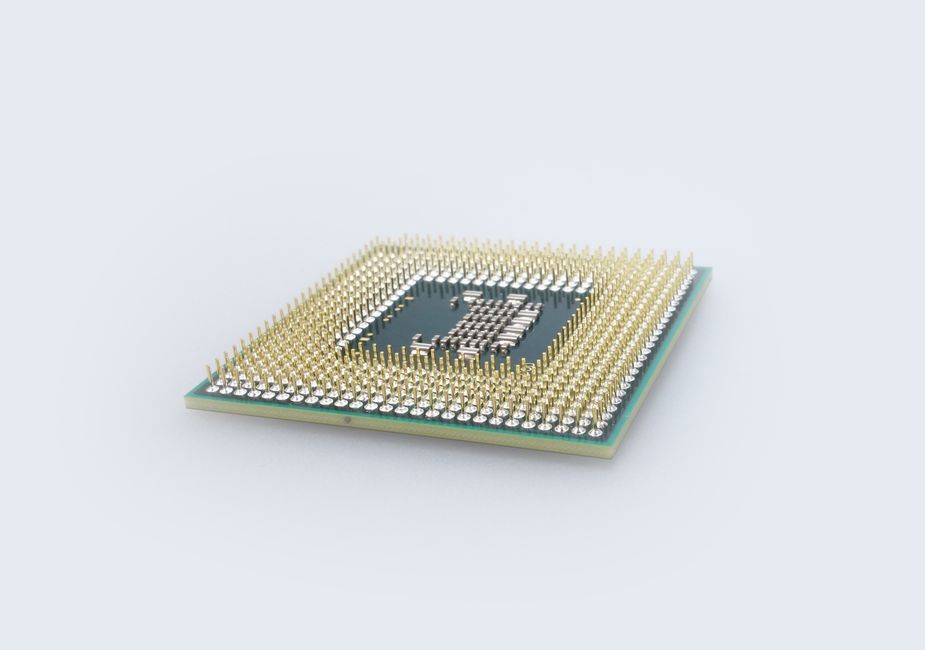
Stock photo for illustration only, not from the actual event
Understanding the distinction between the stack and the heap is fundamental for deep software optimization. Stack allocation is extremely fast due to its strict Last In, First Out (LIFO) order, whereas heap memory provides flexibility for dynamic data that must persist beyond a single function scope, though it requires more careful management to avoid overhead.
Memory is generally divided into two major areas: the stack and the heap. The stack is extremely fast because memory is added and removed in a strict Last In, First Out (LIFO) order. Meanwhile, the heap stores dynamically allocated data which remains allocated until it is no longer needed by the application.
Languages like JavaScript, Python, Java, C#, and Go automatically reclaim unused memory through garbage collection. This saves developers from manually allocating and freeing memory. Objects remain in memory until nothing references them anymore, allowing the engine to safely free the allocated space.
A memory leak occurs when memory that is no longer useful remains allocated because something still references it. Closures, for instance, keep variables alive even after a function finishes executing. If not handled carefully, closures can unintentionally retain large objects longer than needed until all references are explicitly cleared.
Source: Dev.to
Found something wrong in this article? Report an issue with this article
Comments
Leave a Comment