

UK NHS Dentist Shortage: Clinics Drop State Work
Nuffield Trust analysis reveals nearly 600 dental practices in England dropped NHS work in a decade, deepening regional inequalities.
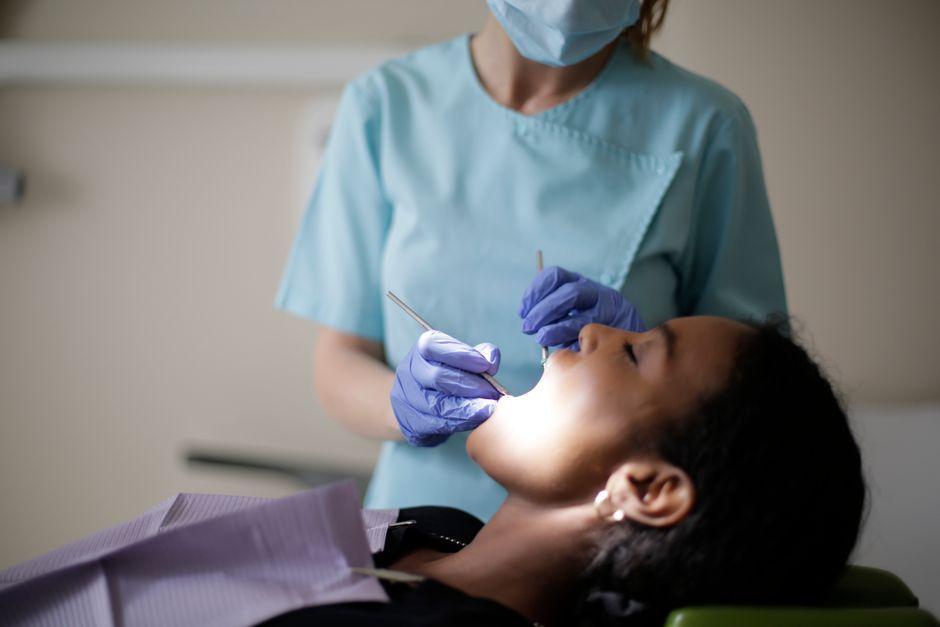
Stock photo for illustration only, not from the actual event
- Nearly 600 dental practices in England withdrew from NHS dentistry over a decade.
- Six in 10 adults have not seen an NHS dentist in the past two years.
- Cornwall, Devon and Northamptonshire saw the sharpest drops in NHS care.
- The government plans to mandate three-year NHS service for newly qualified dentists.
England's state-backed dental service is facing severe pressure as a recent analysis indicates that hundreds of dental practices are abandoning NHS contracts, pushing the healthcare system steadily toward a two-tier model where patient access relies heavily on geography and personal wealth.
Research conducted by the Nuffield Trust found that nearly 600 practices across England have stopped offering NHS dentistry over the past ten years. This decline has been particularly pronounced across the South West and East of England, fueling concerns over widening regional inequalities in healthcare access.
The findings indicate that more than one in ten dental practices that once provided NHS treatment no longer do so, rendering it nearly impossible for certain communities to secure appointments. Furthermore, NHS dental activity remains 8 percent lower than pre-pandemic levels, while six in ten adults report not seeing an NHS dentist within a two-year period, with only 38 percent of those seeking new appointments finding success.

Stock photo for illustration only, not from the actual event
Regions such as Cornwall, Devon and Northamptonshire have experienced some of the most dramatic contractions in NHS care provision. In Cornwall specifically, over a quarter of practices that previously accepted NHS patients have halted the service. Meanwhile, in Somerset, fewer than one in five practices now offer NHS treatments. Alan, an 83-year-old resident of the county who is left with only one remaining tooth, shared that he has completely stopped looking for an NHS dentist.
"I used to try, but getting a dental appointment anywhere near where I live would be impossible."
On the provider side, practitioners argue that current funding structures render NHS work financially unviable. Vivak Shah, who manages three dental practices in Northamptonshire, continues to offer NHS care but notes it operates at a loss, forcing him to stop accepting new NHS patients. He warned that continued withdrawals could leave patients in pain or driving them toward hospital emergency departments for help.
The ongoing NHS dentistry crisis highlights deep structural flaws within the public health model, where fixed remuneration rates fail to cover the operational costs faced by private dental providers taking on public sector work. The flight of practitioners toward private practice serves as a stark warning that systemic funding and workforce reforms are urgently required to prevent further erosion of state-supported healthcare.
Jim Sykes, a dentist based in Hexham, chose to return his NHS contract in 2024. He described it as an emotionally difficult choice driven by unsustainable financial losses and the need to protect his clinic staff, noting that none of his graduating university peers still work within the NHS system.
In response to the crisis, the government announced plans to revise the dental contract framework, expand training programs in high-need regions, and mandate that newly qualified dentists complete a minimum three-year service period within the NHS.
Source: BBC Health
Found something wrong in this article? Report an issue with this article
Comments
Leave a Comment