

VPS Performance Benchmarks 2026: CPU, RAM, & Disk Guide
Compare 2026 VPS performance metrics including vCPU consistency, DDR5 RAM limits, and SSD versus NVMe storage speeds to choose the right infrastructure.

Stock photo for illustration only, not from the actual event
- vCPU speeds vary across providers due to resource overselling practices
- RAM reduces disk hits, but excessive allocation yields diminishing returns
- SSD suits standard web apps, while NVMe is vital for heavy database workloads
- Starting with conservative specs and scaling on bottlenecks saves budget
Choosing a Virtual Private Server is one of the most critical infrastructure decisions for developers and businesses. Performance directly impacts user experience, application responsiveness, and your ability to scale, yet with countless providers offering different configurations, comparing value for money remains challenging.
This guide cuts through the marketing noise to show what CPU, RAM, and disk speed actually mean in practice, how they are benchmarked, and which configurations work best for different use cases. Whether running a simple blog, a SaaS application, or processing heavy workloads, understanding these metrics helps avoid overpaying for unnecessary resources or bottlenecking applications.
From a technical perspective, infrastructure provisioning often fails when relying solely on headline numbers. Identical core counts do not guarantee equivalent performance because host architecture and resource management vary significantly among providers.
Modern VPS providers advertise vCPUs, but the term remains deliberately vague. A vCPU is a slice of actual CPU resources on the host server, but the speed and consistency of that slice vary significantly, meaning a 2-core vCPU from AWS does not necessarily match a 2-core vCPU from a budget provider that oversells resources.
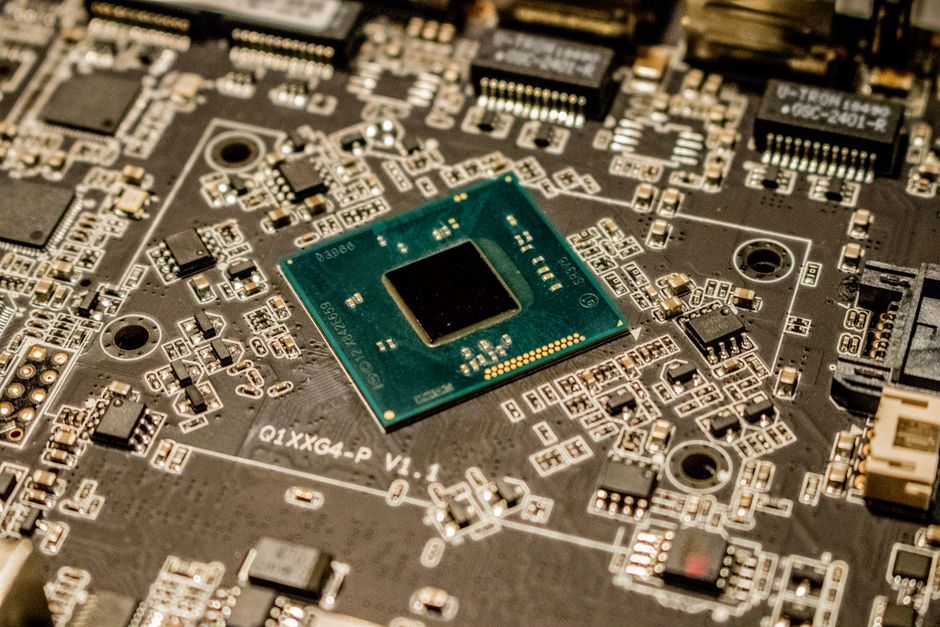
Stock photo for illustration only, not from the actual event
For standard web applications using Node.js, Python, or PHP, single-threaded performance matters most. Typical pricing in 2026 ranges from 15 to 30 dollars per month for entry-level tiers, 40 to 80 dollars for standard tiers, and upwards of 150 dollars for high-performance CPU tiers.
RAM is an area where many users overspend, such as provisioning 16GB when 4GB would suffice. The critical insight is that RAM allows applications to keep frequently accessed data in memory rather than hitting the disk, resulting in faster response times, though additional RAM provides diminishing returns once the working set is covered.
Storage types include SSD as the standard offering in 2026, NVMe as the premium tier, and HDD which is rarely offered anymore. If an application makes heavy database queries or processes files, NVMe is worth the cost, while SSD remains sufficient for typical web applications.
For a startup MVP, a Standard Small configuration featuring 2 vCPU, 2GB RAM, and SSD is often sufficient at 8 to 15 dollars per month, easily handling over 1,000 daily active users. Production web apps serving over 10,000 daily users should jump to Standard Medium with 4 vCPU and 8GB RAM.
Source: Dev.to
Found something wrong in this article? Report an issue with this article
Comments
Leave a Comment