

Mooncakes vs. Chinese Pastry: Differences and Ghost Festival Gifts
Explore the differences in crust, molding, popular fillings, and seasonal traditions between Chinese pastry and mooncakes during the Ghost Festival.
Stock photo for illustration only, not from the actual event
- Chinese pastries feature flaky, layered crusts while mooncakes have soft, chewy crusts.
- The Ghost Festival (15th day of the 7th lunar month) traditionally features Chinese pastries.
- Both festivals fall about a month apart, overlapping the seasonal gifting market.
As major Chinese cultural festivals approach, people often wonder about the distinctions between traditional Chinese pastries and mooncakes. While both share symbolic meanings of unity and good fortune, their physical characteristics, preparation methods, and traditional timing set them apart in the culinary world.
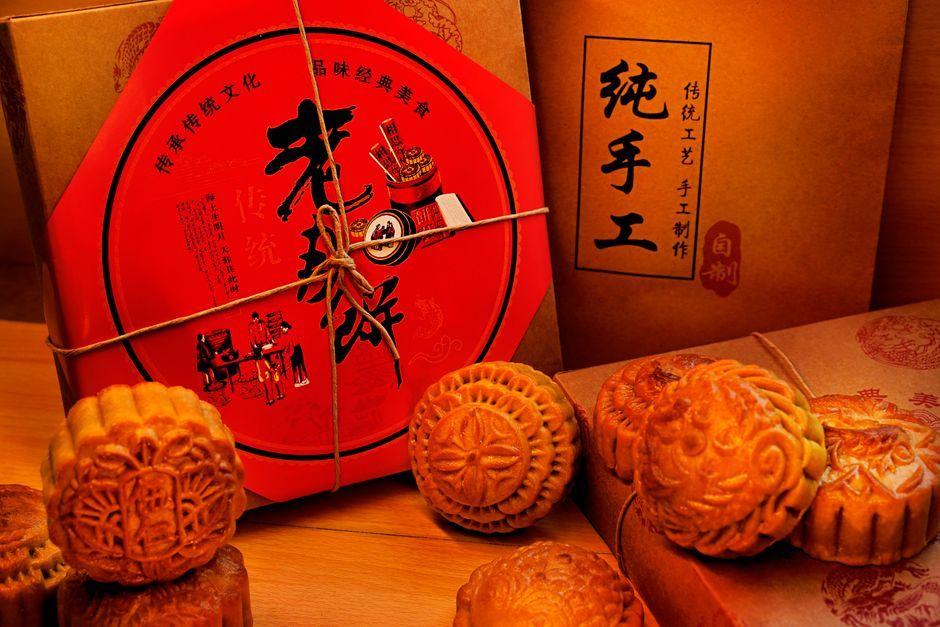
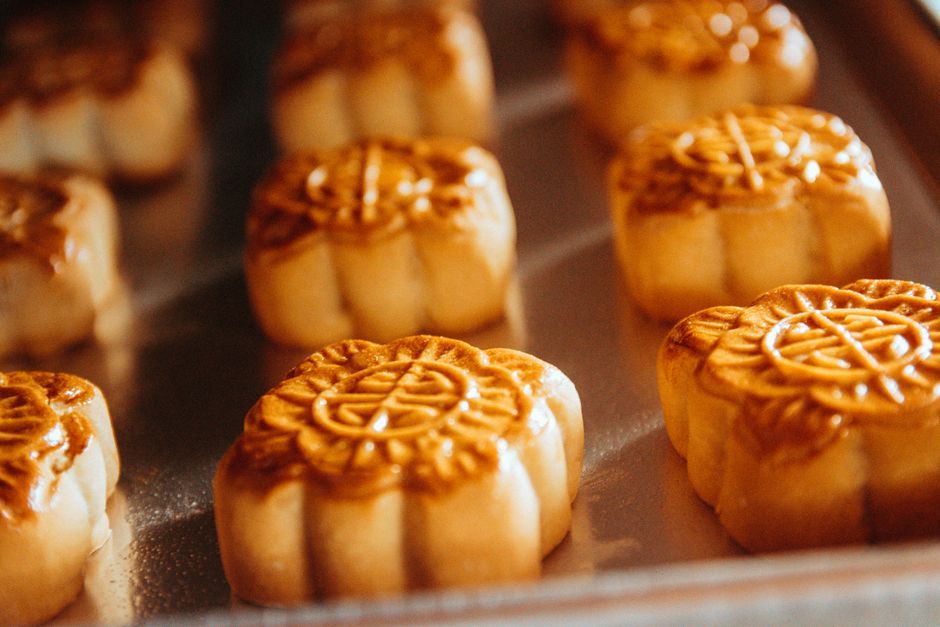
The most noticeable difference lies in the pastry crust. Traditional Chinese pastry features delicate, flaky layers that can be peeled apart, paired with a smooth surface marked with a red dot. In contrast, mooncakes feature a soft, smooth, and chewy texture with a shiny golden-brown surface, created by pressing dough into intricately carved wooden or plastic molds with floral or auspicious Chinese characters.
Stock photo for illustration only, not from the actual event
Filling preferences also vary between the two. Popular choices for Chinese pastry include mung bean paste, taro, preserved winter melon, shredded pork, and salted egg yolk. Meanwhile, mooncakes commonly feature lotus seed paste, mixed nuts (five kernels or wuren), durian paste, and salted egg yolks. Timing is another key factor: Chinese pastries are enjoyed year-round and used in weddings and engagements, whereas mooncakes are strictly tied to the Mid-Autumn Festival season.
The overlap in gifting season occurs because the Ghost Festival falls on the 15th day of the 7th lunar month, while the Mid-Autumn Festival takes place on the 15th day of the 8th lunar month—just one month apart. This close proximity prompts hotels and bakeries to launch their premium mooncake collections early during the Ghost Festival gifting window.
According to traditional Chinese customs, the main offerings for the Ghost Festival to symbolize family abundance and harmony include Nian Gao, tuian, steamed sponge cakes, and Chinese pastries. Today, with luxurious packaging upgrades, mooncakes have transformed into premium gifts for corporate partners and elders throughout the extended autumn gifting season.
Whether enjoying a flaky Chinese pastry or a rich mooncake, both treats continue to deeply reflect the core values of family devotion, gratitude, and togetherness shared by Chinese and Thai-Chinese communities.
Source: Thairath Lifestyle
Found something wrong in this article? Report an issue with this article
Comments
Leave a Comment