

UK's rarest bird of prey successfully breeds new chicks
RSPB reports six juvenile Montagu's harriers successfully raised in a secret UK location, following four last year.
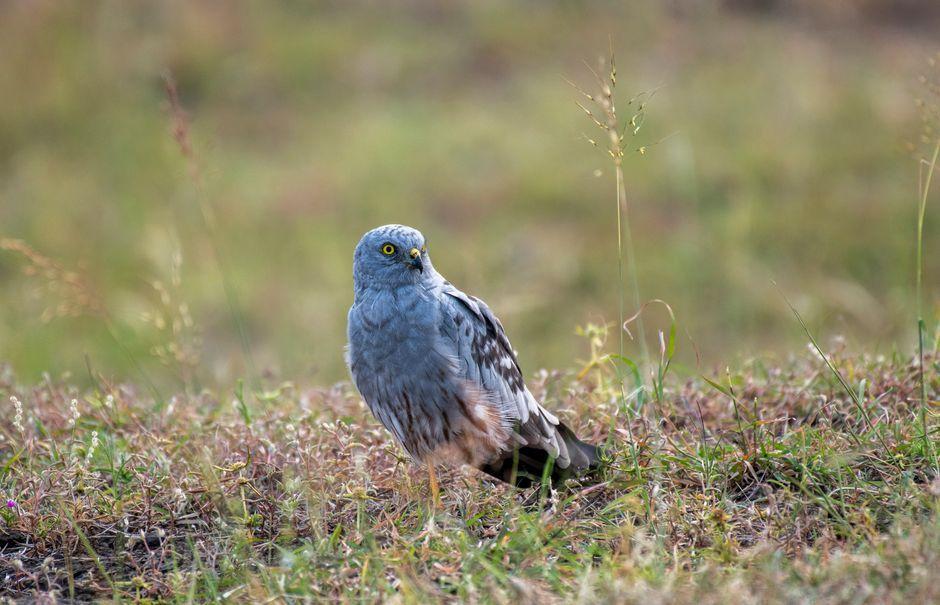
Stock photo for illustration only, not from the actual event
- The UK's rarest bird of prey, the Montagu's harrier, has successfully nested for the second consecutive year in a secret location.
- Six juvenile birds have successfully fledged this year, up from four chicks hatched at the same site last year.
- Conservationists and local farmers installed protective fencing around the ground nests to keep out predators like foxes.
- Satellite tags have been fitted to two chicks for the first time to better monitor their behaviour and protect their nests.
The United Kingdom's rarest bird of prey has successfully nested for the second year running in the same undisclosed location, according to a report by the Royal Society for the Protection of Birds (RSPB).
An RSPB spokesperson stated that the organization is doing its utmost to save this iconic species in the UK and expressed great delight over the six flying juveniles recorded this year, compared to the four chicks that hatched in the exact same secret location last year.
The charity noted that careful monitoring in partnership with local farmers whose land the birds utilized has been vital. Fences were erected around the nests to exclude ground predators, such as foxes, ensuring the safety of the brood.
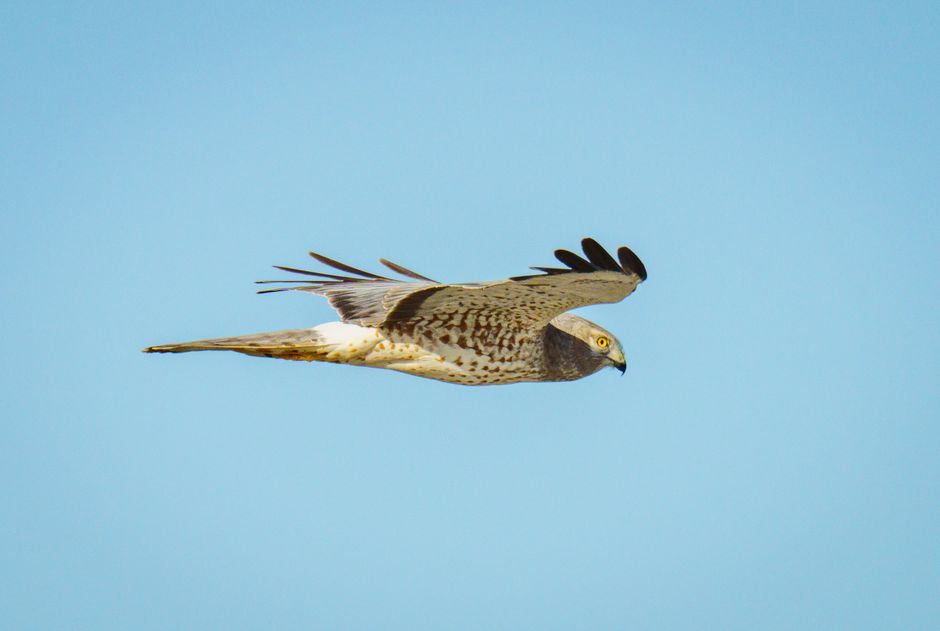
Stock photo for illustration only, not from the actual event
The sole male Montagu's harrier has also been working diligently to feed his two nests full of hungry chicks. The BBC was granted exclusive access to observe their remarkable feeding routine, witnessing the male drop prey mid-air while the female rolls upside down to catch it with her talons.
"We are doing our absolute utmost to save this iconic species in the UK and are delighted with six flying juveniles this year."
RSPB spokesperson
Montagu's harriers are slender, long-winged raptors known for making an epic annual migration to Africa during winter before returning to Europe to nest over summer, frequently choosing agricultural fields. Despite this, little has been known about juvenile harrier behaviour after leaving the nest. Equipping two chicks with satellite tags this year marks a critical conservation milestone aimed at protecting their ground-level nests from being inadvertently destroyed among crops.
Conservationists have urged birdwatchers to keep an eye out for the young raptors and report any sightings by emailing the RSPB's Montagu's hotline at montys@rspb.org.uk to aid ongoing protection efforts.
Source: BBC Science & Environment
Found something wrong in this article? Report an issue with this article
Comments
Leave a Comment