

Radisson Targets 100 Hotels in Saudi Arabia by 2030
Radisson Hotel Group maintains its target of 100 hotels in Saudi Arabia by 2030, leveraging strong domestic demand amid regional conflicts.
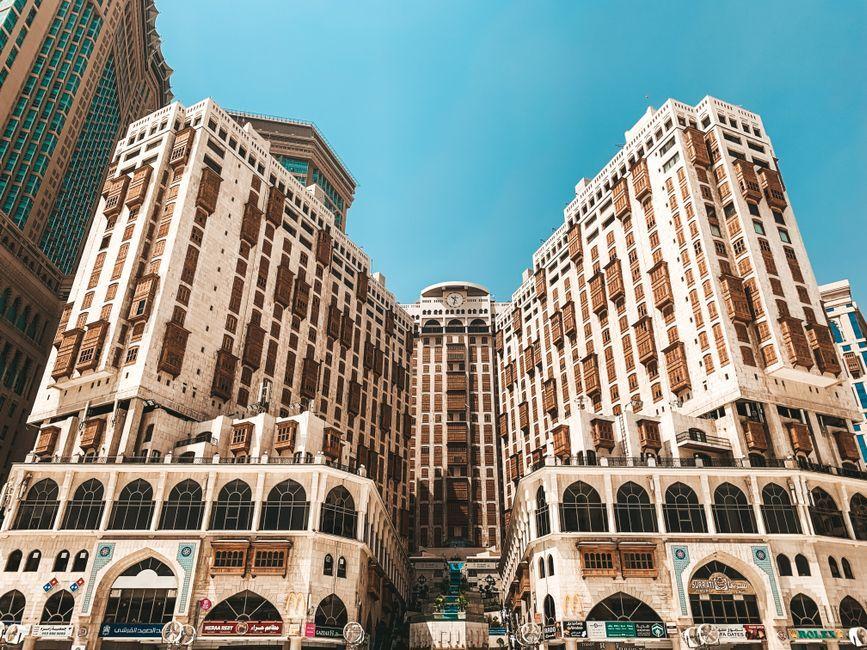
Stock photo for illustration only, not from the actual event
- Radisson maintains its target of 100 operating and pipeline hotels in Saudi Arabia by 2030.
- Domestic demand makes Saudi Arabia more resilient than the UAE amid regional war disruptions.
- The group acknowledges a 3 to 6-month slowdown in signings but forecasts recovery by June 2026.
- Expansion is shifting toward secondary cities and 3 to 4-star tiers with a preference for new builds.
The hospitality market across the Gulf region is revealing a sharply divided recovery pattern, with Radisson Hotel Group's latest development figures confirming that domestic demand acts as a crucial hedge—an advantage held by Saudi Arabia rather than the UAE.
Radisson Hotel Group currently operates 35 hotels in Saudi Arabia, with another 15 under construction, aiming to reach a total of 100 hotels in operation and development within the kingdom by 2030. The company states that this ambitious bet remains unshaken despite disruptions to Gulf tourism caused by the U.S.-Iran conflict.
Stock photo for illustration only, not from the actual event
"Our targets for the region have not changed, although there may be a slight slowdown in signing volumes and business expansion this year because of the war. But if you’re in it for the long run, there’s no change," said Elie Younes, executive vice president and global chief development officer at Radisson Hotel Group. "We still believe in Saudi Arabia, Vision 2030, Dubai, and the region."
"Our targets for the region have not changed, although there may be a slight slowdown in signing volumes and business expansion this year because of the war. But if you’re in it for the long run, there’s no change."
The reason Radisson can afford this confidence while dialing back elsewhere in the Gulf comes down to the origin of its demand. Younes noted that on the trading side, markets like Saudi Arabia faced less impact than others due to their robust domestic traveler base.
Radisson's continued commitment to Saudi Arabia amidst geopolitical tensions highlights the effectiveness of the kingdom's Vision 2030 initiative in diversifying its economy away from oil dependency. By fostering a strong domestic tourism market and heavy infrastructure investments, Saudi Arabia has built a buffer that international-centric hubs like Dubai sometimes lack during global crises.
Furthermore, Radisson's pipeline is extending beyond Riyadh, Jeddah, and the Eastern Province into approximately ten secondary Saudi cities. The company is focusing on three- and four-star tiers alongside upscale brands, favoring new constructions over conversions due to limited viable existing stock.
Source: Skift
Found something wrong in this article? Report an issue with this article
Comments
Leave a Comment