

Timbercraft: Lost Tectonics Explores Wood Craft
Architect Jae K Kim releases Timbercraft: Lost Tectonics from East Asia, exploring 1,400 years of traditional wooden buildings.
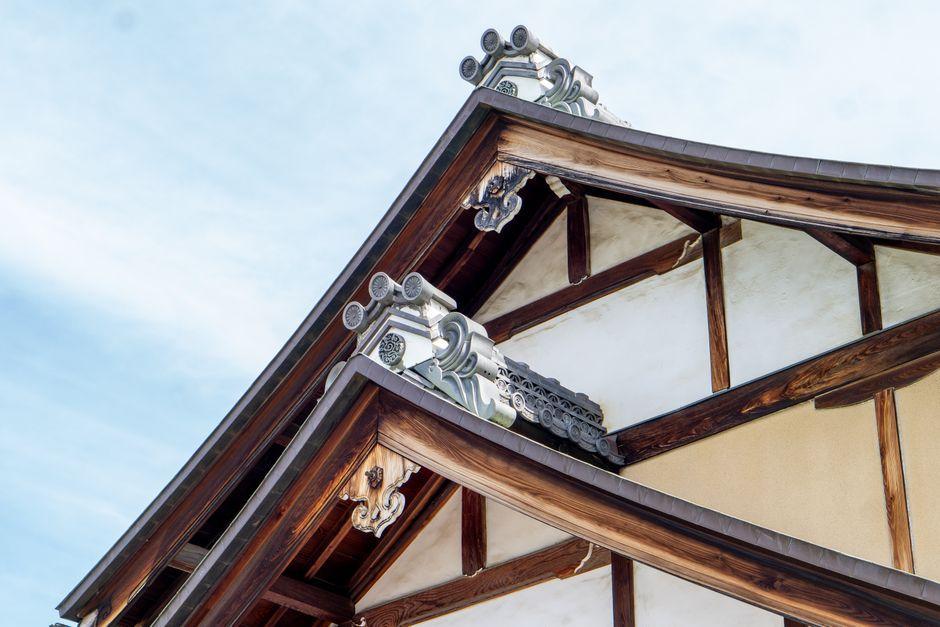
Stock photo for illustration only, not from the actual event
- Jae K Kim releases a book exploring traditional East Asian woodcraft
- Examines nine landmark buildings across China, Japan, and Korea
- Covers over 1,400 years of architectural history and joinery
- Published by nai010 publishers and designed by Studio Joost Grootens
At a time when timber is once again reshaping global architectural practice, the book Timbercraft: Lost Tectonics from East Asia revisits the enduring legacy of traditional East Asian wooden construction. Written by architect and researcher Jae K Kim, the publication examines nine landmark buildings across China, Japan, and Korea spanning a history of more than 1,400 years.
The book traces the evolution of these sophisticated structural systems through intricate joinery, complex bracket assemblies, and interlocking components. These elements reveal how traditional construction methods can successfully inform contemporary architectural design and structural engineering practices today.
To make this complex body of knowledge accessible, the author presents original analytical drawings, section perspectives, exploded axonometric views, and detailed assembly studies. These precise visual documentations highlight the technical ingenuity that allowed historic structures to endure for centuries, complemented by essays providing historical and theoretical context.
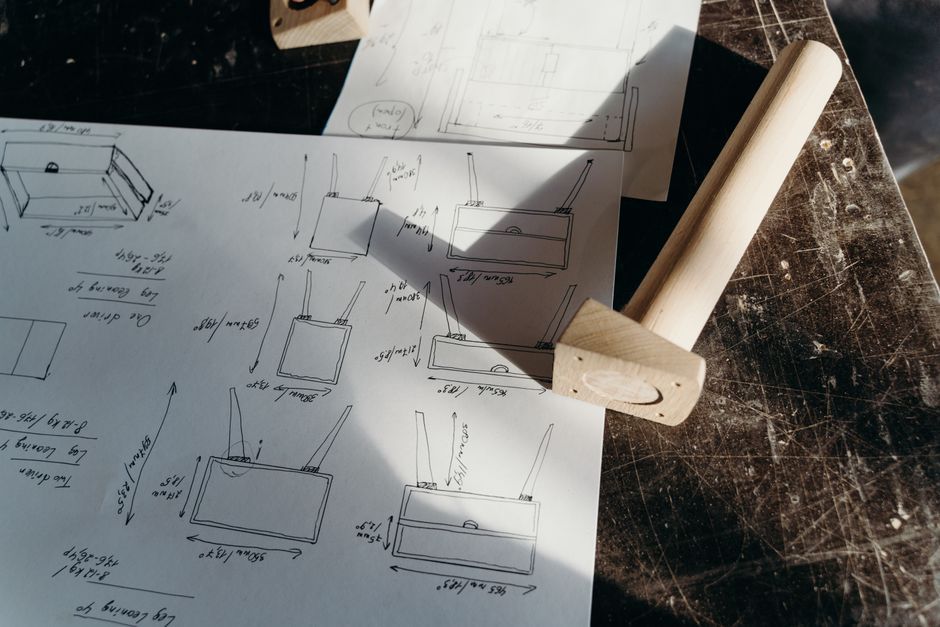
Stock photo for illustration only, not from the actual event
Reviving ancient timber construction techniques offers valuable lessons for modern sustainable architecture. By analyzing nail-less joinery and load distribution methods from the past, contemporary designers can create eco-friendly buildings that minimize carbon footprints while maintaining structural integrity.
Published by nai010 publishers and designed by Studio Joost Grootens, the book translates dense architectural research into a clear, compelling visual system. Ultimately, Timbercraft serves as an essential resource for architects, builders, and scholars, bridging ancient structural intelligence with the future of sustainable timber construction.
Source: designboom
Found something wrong in this article? Report an issue with this article
Comments
Leave a Comment