

UK invests £39bn to build 70,000 social homes in England
The UK government has announced locations for 70,000 new social and affordable homes across England over the next decade, including £6bn for London.

Stock photo for illustration only, not from the actual event
- UK announces plans for 70,000 social and affordable homes over 10 years
- London receives an allocated funding portion of £6 billion
- 60% of the newly announced homes will be designated for social rent
- Housing charities argue the figures fall short of actual national demand
Ministers have officially unveiled the targeted regions where 70,000 social and affordable housing units will be constructed across England throughout the coming decade, aiming to tackle an escalating housing crisis.
Initial funding grants have been distributed to Greater Manchester, the West Midlands, West Yorkshire, South Yorkshire, North East England, and Liverpool, alongside a specific allocation of £6 billion designated solely for London as part of a wider £39 billion social housebuilding initiative.
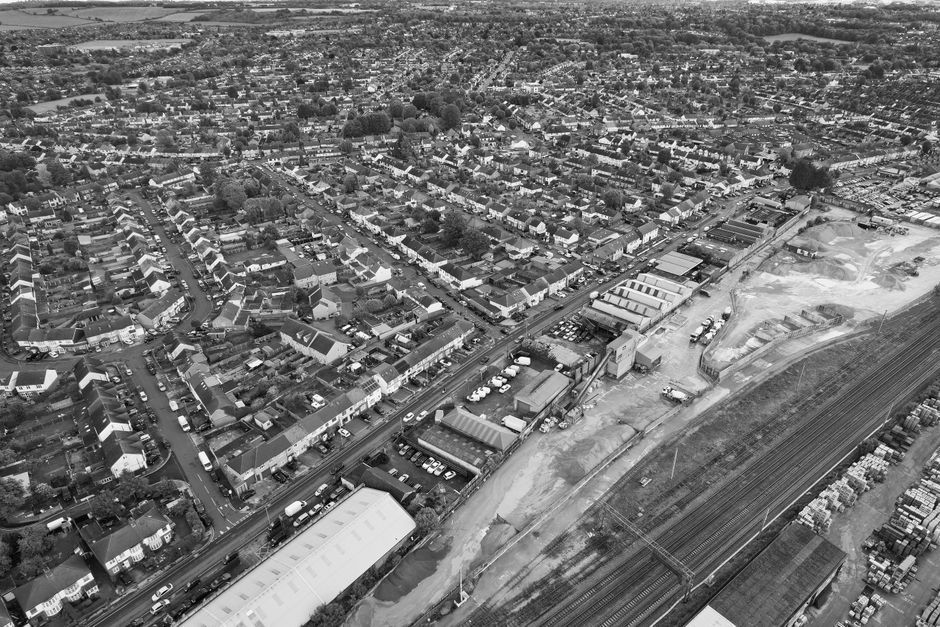
Stock photo for illustration only, not from the actual event
While housing charities have cautiously welcomed the announcement, they warned that the scale of construction remains insufficient to clear the massive backlog. Meanwhile, Conservative critics labeled the initiative an unfunded spending commitment.
Out of the newly confirmed properties, 60 percent will be dedicated to social rent models, priced at roughly half of standard market rates under strict eligibility requirements. Government officials emphasized their ongoing push to empower local councils to resume direct public housing construction.
"No child should be raised in a hostel room and no family should wait 10 years for a front door of their own."
Andy Burnham
The chronic housing shortage in England is closely linked to soaring homelessness rates, with recent data highlighting over 177,530 homeless children currently residing in temporary accommodations. While this multi-billion-pound funding injection represents a significant policy shift, real-world execution faces structural hurdles, including coordination between local authorities and housing associations, as well as the broader target of delivering 1.5 million homes by 2029 amid lagging construction rates.
The human impact of the crisis is illustrated by individuals like 22-year-old Natasha, who has spent months in temporary hotel rooms with her infant son, struggling with cramped conditions and shared facilities. Her situation echoes the plight of 1.34 million households trapped on official social housing waiting lists as of March 2025.
Source: BBC Politics
Found something wrong in this article? Report an issue with this article
Comments
Leave a Comment