

The US is charging an American citizen for wiping his phone at the border
Sam Tunick is being prosecuted by the government for allegedly handing federal agents a fake duress password that wiped his phone at the Atlanta airport.
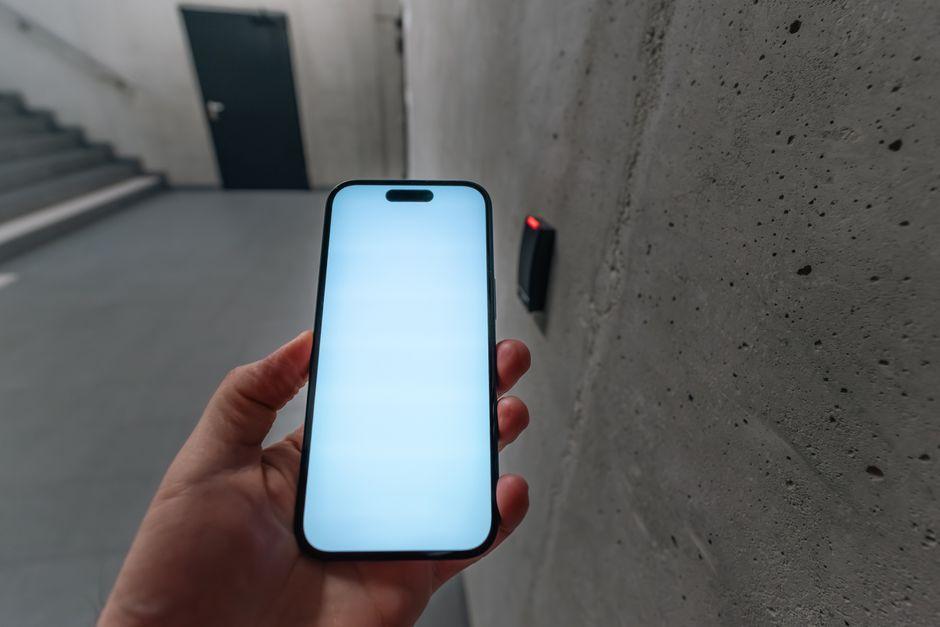
Stock photo for illustration only, not from the actual event
- Sam Tunick faces federal prosecution for destroying property to prevent seizure.
- The incident occurred on January 24th, 2025, at Hartsfield-Jackson Atlanta airport.
- Tunick reportedly used a GrapheneOS privacy feature to trigger a remote phone wipe.
- Defense attorneys argue the detention and search lacked a warrant and legal counsel.
The federal government is prosecuting American citizen Sam Tunick for allegedly handing authorities a "duress password" that wiped his mobile device clean when federal agents attempted to seize it at Atlanta’s Hartsfield-Jackson airport on January 24th, 2025. Federal agents detained Tunick at the facility, reportedly questioning him regarding images depicting child exploitation.
However, a legal motion filed by Tunick’s defense attorneys asserts that this justification served merely as a pretext for a fishing expedition aimed at investigating Mr. Tunick’s associations with the Stop Cop City movement based in Atlanta.
Stock photo for illustration only, not from the actual event
To build their case, prosecutors are relying on an obscure and rarely utilized statute that classifies the destruction or damage of property intended to prevent authorities from seizing it as a federal crime. Authorities allege that Tunick exploited a privacy-centric feature inherent to GrapheneOS, utilizing a duress password rather than his actual device passcode when confronted by agents.
GrapheneOS is a privacy-focused, hardened operating system built on Android that prioritizes advanced security features. The duress password mechanism is specifically engineered to protect users under coercion, wiping sensitive data or activating a secondary profile when entered. Prosecuting digital data destruction under property damage statutes represents an evolving and controversial legal frontier at international borders.
According to filings from Tunick’s legal representation, agents denied him access to legal counsel, failed to present a search warrant, and neglected to inform him of his fundamental legal rights. Furthermore, the defense claims that law enforcement sought access to his personal device under false pretenses.
"We all have a right to secure our private data against unconstitutional searches. And we should — especially in a time of rising authoritarianism."
Marlon Kautz, Atlanta Solidarity Fund member
In response, the government countered that law enforcement was not legally obligated to produce a warrant because Tunick had not yet been formally granted admission back into the United States. Meanwhile, Marlon Kautz, a representative of the Atlanta Solidarity Fund, spoke to the Guardian earlier in the week, stating that individuals retain the right to secure private information against unconstitutional searches amidst increasingly fraught border entry procedures.
Source: The Verge
Found something wrong in this article? Report an issue with this article
Comments
Leave a Comment