

Three South Korean Carriers Are Merging Into One Low-Cost Giant
Jin Air, Air Busan, and Air Seoul will merge into South Korea's largest low-cost airline with 58 aircraft, launching on March 17, 2027.

Stock photo for illustration only, not from the actual event
- Jin Air, Air Busan, and Air Seoul have agreed to merge under the Jin Air brand
- The deal creates South Korea's largest budget airline with a combined fleet of 58 aircraft
- Operations under the merged entity are scheduled to begin on March 17, 2027
- The merger follows Hanjin Group's Korean Air acquisition of Asiana Airlines
South Korea's low-cost aviation market is set for a major transformation as Jin Air, Air Busan, and Air Seoul have agreed to merge into a single carrier under the Jin Air name, establishing the country's largest budget airline by fleet size.
The boards of directors from all three carriers approved the transaction and signed the merger agreement, which remains subject to shareholder approval and regulatory clearances. Once finalized, the new Jin Air will operate a total of 58 aircraft, combining distinct networks, operating bases, and customer service models into one unified operation.
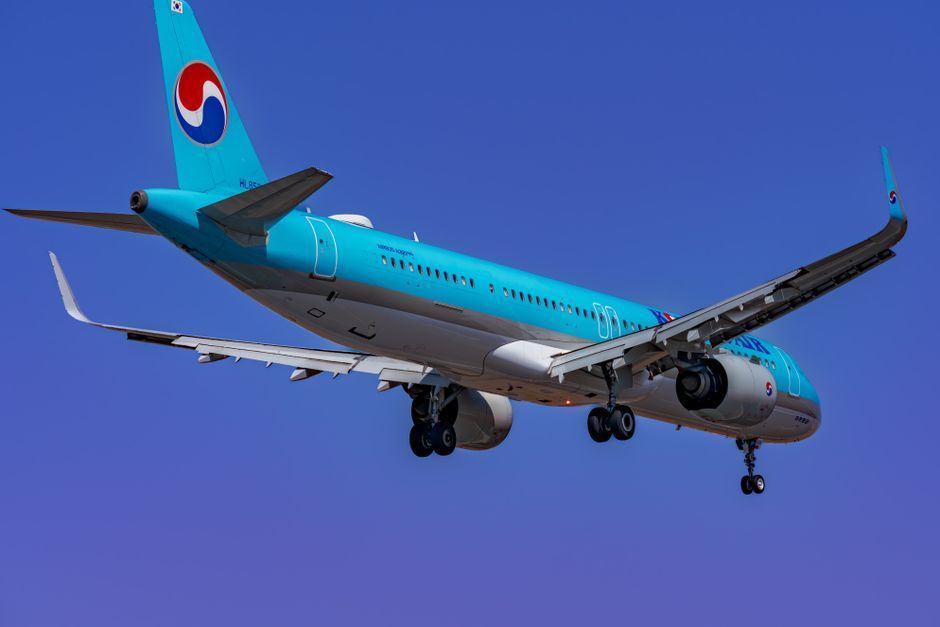
Stock photo for illustration only, not from the actual event
This consolidation marks the final domino effect stemming from Hanjin Group's Korean Air taking majority control of Asiana Airlines in December 2024. Meanwhile, the formal merger of the parent companies is scheduled to take effect on December 17.
Rather than simply expanding flight frequencies, the merger focuses on driving operational efficiency by integrating three separate fleets, technology platforms, and corporate structures. It also broadens geographic reach by reinforcing a secondary operating base in Busan alongside the primary hub at Incheon.
This restructuring mirrors major aviation consolidation trends globally, such as India's Tata Group combining its airline operations to build market scale. While the merger enhances efficiency for the parent groups, it significantly alters Korea's aviation hierarchy, leaving a dominant full-service flag carrier, a powerhouse low-cost affiliate, and a cluster of smaller independent rivals like Jeju Air, Trinity Airways, Eastar Jet, and Aero K. Observers will closely monitor potential regulatory conditions from South Korea's Fair Trade Commission regarding overlapping routes and market dominance.
The deal ultimately reshapes the competitive landscape for domestic and short-haul international travel, as independent challengers face a newly fortified budget giant backed by the nation's primary aviation group.
Source: Skift
Found something wrong in this article? Report an issue with this article
Comments
Leave a Comment