

Wan Muhamad Noor Cites Intelligence Gaps in Southern Unrest
Wan Muhamad Noor Matha highlights intelligence failures and loose integration behind the 50 southern unrest sites, proposing talks with BRN under Thai law.
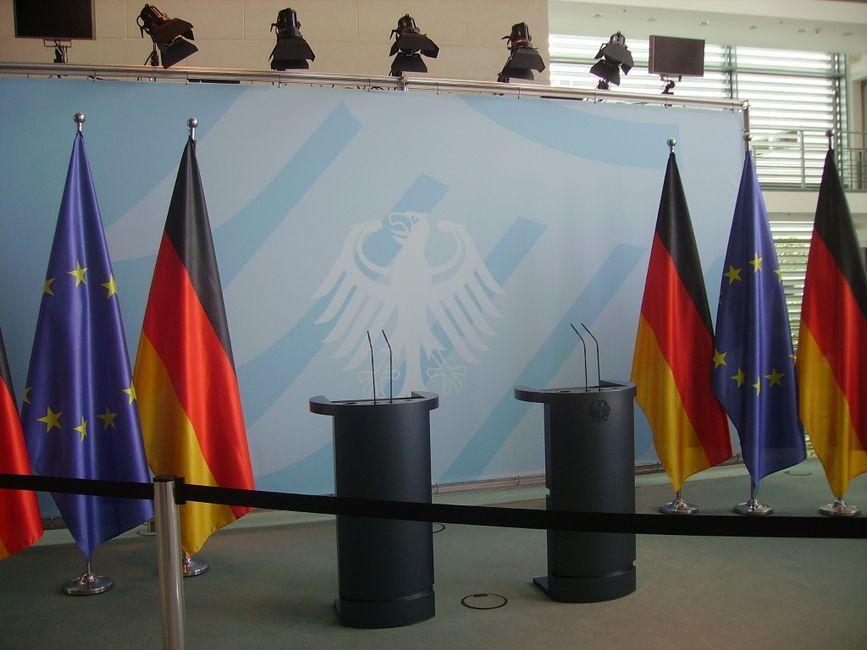
Stock photo for illustration only, not from the actual event
- Wan Muhamad Noor points to intelligence gaps and fragmented teamwork behind over 50 unrest sites in southern Thailand.
- Suggests opening dialogue with the BRN group based on the Thai Constitution to achieve lasting peace.
- Notes that Prime Minister emphasizes multi-agency cooperation and accurate situation assessment.
- National Intelligence Agency plans 1-2 technical rounds ahead of formal peace talks slated for late September.
On August 25 at 09.50 AM at Government House, Wan Muhamad Noor Matha, Chairman of the Prime Minister's Advisory Board and advisor to the special government representative committee for southern border provinces, addressed the recent review meeting on southern unrest. He concluded that all relevant sectors—including security forces, the Ministry of Interior, the Royal Thai Police, and local communities—must strengthen their joint cooperation.
Wan Muhamad Noor admitted that past integration efforts remained loose, with agencies operating independently and misjudging the situation. Despite the small number of insurgents, simultaneous incidents occurred because of inaccurate threat assessments. He stressed that failure to secure the southern region would severely damage local investment and tourism, further deteriorating the economy of the border provinces.
Regarding the root causes of the unrest, Wan Muhamad Noor noted that various speculations had circulated, including theories linking the violence to local or national election rivalries. However, he dismissed such claims, reasoning that politicians rely on public support and would not risk destroying local government offices like Tambon Administrative Organizations (TAO), which would effectively ruin their own political futures. He urged authorities to verify facts thoroughly rather than relying on guesswork.
Stock photo for illustration only, not from the actual event
"Of course, it is their work, but if they want to talk, we must open the door, provided the discussions are based on the Thai Constitution."
Wan Muhamad Noor Matha
Addressing the insurgency, Wan Muhamad Noor confirmed that the actions were carried out by the BRN. He stated that the government remains open to negotiations if the group desires peace, provided the talks adhere strictly to the Thai Constitution. Furthermore, he acknowledged that intelligence failures contributed to the incidents, explaining that security forces cannot maintain 24-hour surveillance on every unattended government building or unmonitored blind spot exploited by attackers.
Analyzing the security situation in southern Thailand reveals deeply rooted structural challenges that require more than conventional military force. Effective resolution depends on robust intelligence sharing, community trust-building, and coordinated socio-economic development to eliminate vulnerabilities that insurgent factions exploit to destabilize the region.
On the suspects' movements, Wan Muhamad Noor revealed that some individuals had fled across the border into Malaysia. Malaysian authorities have expressed willingness to cooperate and share information, as instability in Thailand's southern border directly affects their own security. Meanwhile, Thatnat Suwananon, Director-General of the National Intelligence Agency and head of the southern peace dialogue panel, announced plans to hold 1-2 technical preparatory meetings prior to official talks expected in late September.
Source: Matichon Politics
Found something wrong in this article? Report an issue with this article
Comments
Leave a Comment