

NHS offers HPV home-testing kits for women in England
The NHS in England will send home HPV testing kits to nearly four million women who missed cervical screening appointments to boost uptake.
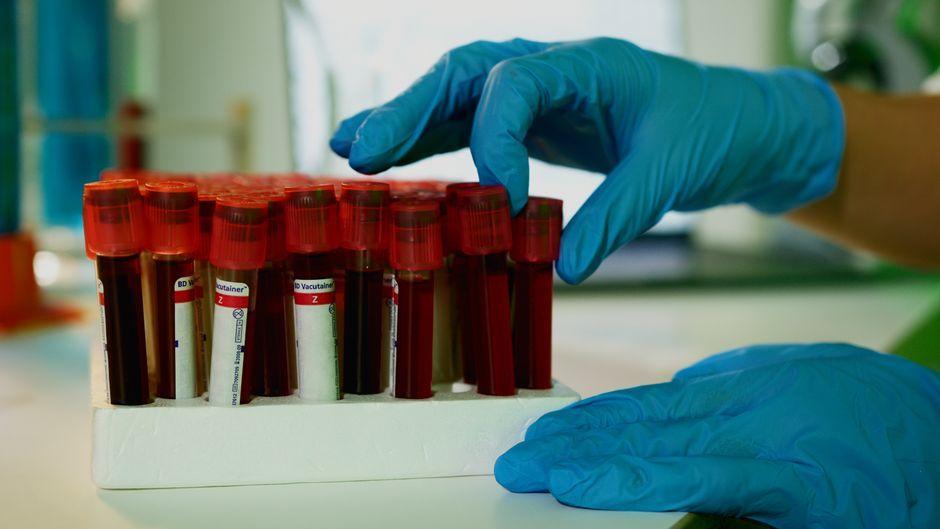
Stock photo for illustration only, not from the actual event
- NHS England is rolling out home HPV testing kits for women who missed screenings.
- Nearly four million eligible individuals will receive invites over the next year.
- About one-third of eligible women have recently skipped cervical cancer screenings.
- Detecting high-risk HPV early allows timely treatment before cancer spreads.
The National Health Service in England is introducing self-testing kits for human papillomavirus so that women who have missed routine cervical screening appointments can check themselves at home. Over the upcoming year, nearly four million individuals will receive invitations via the NHS App, text messages, emails, or letters to order a complimentary testing kit.
Statistical figures indicate that roughly one-third of women eligible for cervical cancer screening have failed to take up the offer recently. These self-testing kits are engineered to increase the number of women screened for high-risk HPV strains, which are responsible for almost all cases of cervical cancer globally and locally.
Stock photo for illustration only, not from the actual event
Gem Sofianos-Boorman, aged 39, shared that her personal journey highlights the critical value of screening after being diagnosed with cervical cancer at age 28 following a routine check. She mentioned it was entirely unexpected since she was young, healthy, and displayed no symptoms before undergoing surgery to remove cancerous cells and pelvic lymph nodes.
Dr. Sue Mann, national clinical director for women's health, noted that offering millions of women an alternative test they can perform in the comfort of their homes will prove to be a game-changer. She explained that factors such as embarrassment, time constraints, or discomfort prevent many from attending clinical appointments, making these discrete kits a vital encouragement tool.
"Looking back, I truly believe that going to my screening appointment saved my life. My cancer was found early, which allowed me to have treatment before it spread."
Gem Sofianos-Boorman
The testing packages include a long swab used to collect a vaginal sample, which is then mailed back to the NHS for laboratory analysis. If high-risk HPV is detected, patients are invited to schedule a follow-up clinical appointment. Trials conducted in London indicate this approach could inspire one in ten women to participate, boosting annual uptake by roughly 400,000 tests, while other regions in the UK explore similar rollouts.
Shifting towards self-sampling options represents a major evolution in preventative healthcare by addressing psychological and physical barriers that traditionally hinder screening participation. By decentralizing the sample collection phase while retaining clinical oversight for positive results, healthcare systems can expand their reach significantly and catch high-risk anomalies much earlier.
Women aged 24 to 64 in England are routinely invited for cervical screenings every five years, or more frequently if HPV is present. Through a combination of adolescent HPV vaccination programs and advanced screening methods, the NHS aims to eliminate cervical cancer by 2040. Health officials maintain that traditional clinician appointments remain the gold standard for prevention.
Source: BBC Health
Found something wrong in this article? Report an issue with this article
Comments
Leave a Comment