

Live Tourism Economy 2026: Event-Driven Travel Spending
Skift report reveals a 74% surge in live tourism for Q1 2026 as concerts and major sports dictate modern travel itineraries.
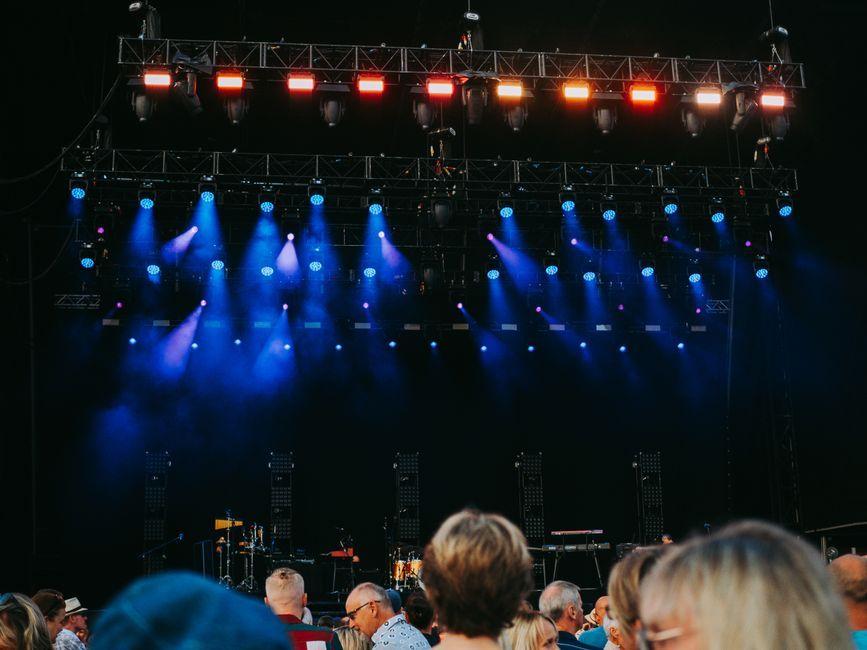
Stock photo for illustration only, not from the actual event
- Live tourism has become a primary driver, with concerts or finals dictating travel dates and destinations.
- Trip.com Group reported a 74% year-over-year surge in this category for Q1 2026, with over 70% planning trips around events.
- Fans spent an average of $1,300 per Taylor Swift show, with 84% exploring beyond the event venue itself.
- The Skift Live Tourism Summit tackles the operational challenges of capturing and sharing this economic value.
The travel order has undergone a fundamental reversal. While travelers once selected a destination and subsequently searched for local activities, the show, sports match, or festival now comes first, shaping the trip around a fixed calendar date. The immediate experience serves as the core motivation for the journey, while the physical location adapts to whatever the event requires.
This surge extends far beyond a temporary spike tied to a single blockbuster tour. Entertainment-driven travel ranked as one of Trip.com Group's fastest-growing categories in the first quarter of 2026, recording a 74% increase compared to the previous year. This behavior has cemented itself as a structural transformation in how travel demand is generated.
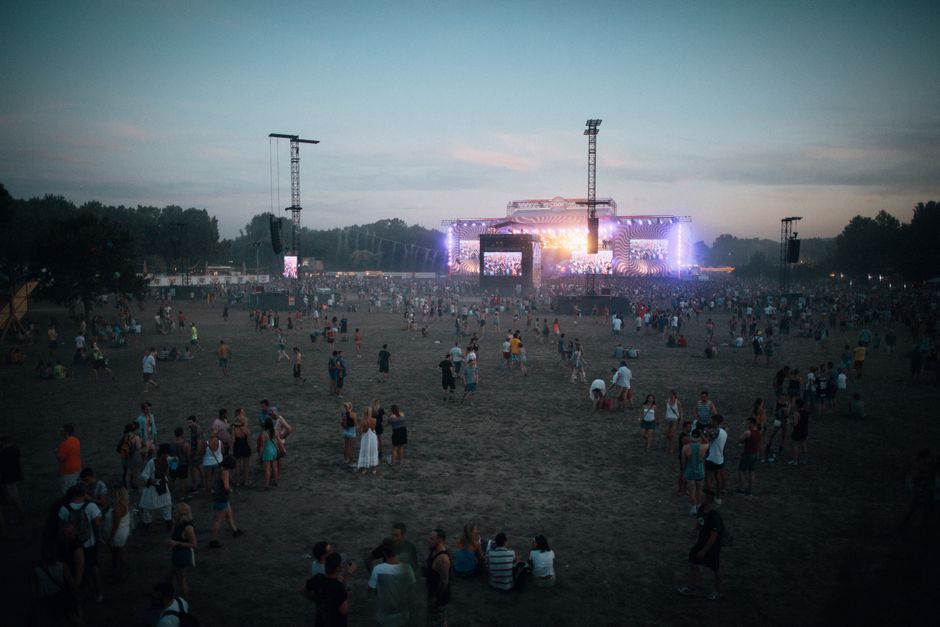
Stock photo for illustration only, not from the actual event
Individuals routinely cross international borders for ninety minutes of a headliner performance they have followed for years. More than 70% of travelers now express a higher likelihood of planning trips around live events than they did five years ago. Tour routing and championship venues compress hundreds of thousands of visitors into concentrated weekends rather than distributing them evenly across a season.
When a live moment triggers a journey, spending fans out across venues, promoters, ticketing platforms, hotels, and the broader destination economy. During Taylor Swift's Eras Tour, attendees spent an average of $1,300 per show across lodging, dining, retail, and transportation. Skift Research indicates that 84% of event tourists explore beyond the main event, allowing the surrounding local economy to capture the majority of the value.
"A concert or a final now decides where hundreds of thousands of people travel and when. The harder question is who captures the money that arrives with them."
Skift
The transition toward a live tourism economy demonstrates that destinations must shift from passive marketing to robust operational planning. Managing intense, short-term demand requires upgraded infrastructure, strategic lodging inventory, and deep public-private partnerships to convert single-visit attendees into repeat visitors over time.
Capturing live demand serves as an operational trial rather than a pure marketing win, testing local infrastructure limits and pricing stability. Industry leaders are actively responding through bundled travel offerings and unified booking channels, setting the stage for discussions at the upcoming Skift Live Tourism Summit.
Source: Skift
Found something wrong in this article? Report an issue with this article
Comments
Leave a Comment