

Artist-Designed Ping-Pong Tables Make Everyone a Beginner at Rockaway Beach
The 'Between Tides' public art exhibition in New York challenges players' expectations with unconventional ping-pong tables.
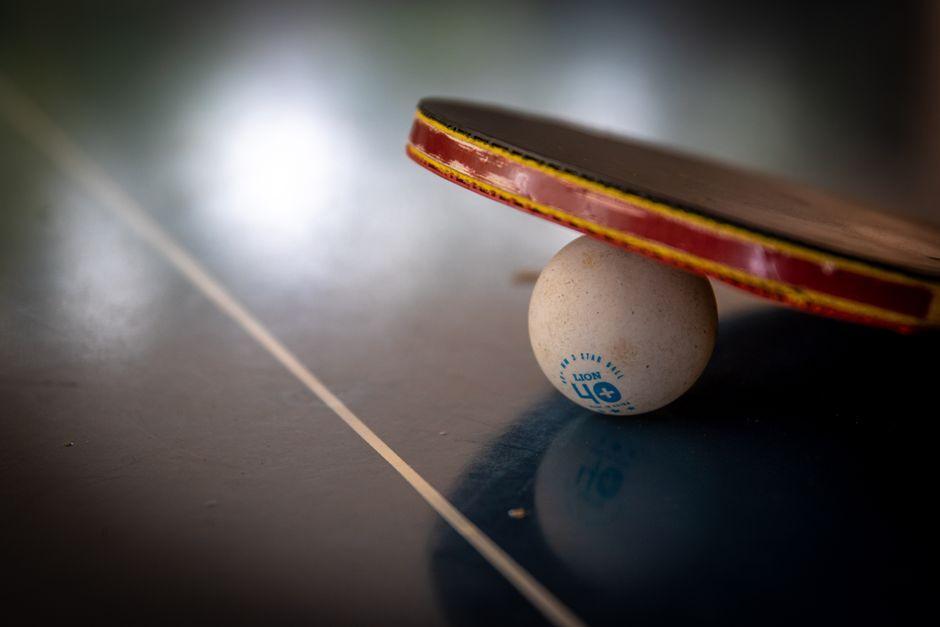
Stock photo for illustration only, not from the actual event
- The 'Between Tides' outdoor public art exhibition is hosted at Rockaway Beach, New York.
- Features custom ping-pong tables by six artist groups that intentionally break standard rules.
- Transforms serious competition into a collective exercise in experimentation and play.
- Weaves together local lore, marine folklore, and ancient ball-game histories.
Down at New York City's Rockaway Beach, six ping-pong tables rise directly from the sand, though each one interferes with regular gameplay. A tentacle blocks a clean serve, while circular holes swallow the ball. 'Between Tides', a Public Art Fund exhibition curated by Gabriela López Dena, starts with a familiar shape but strips away the comfort of knowing exactly how to play.
The familiar dimensions remain across commissions by Moko Fukuyama, Ilana Harris-Babou, Las Hermanas Iglesias, Carlos H. Matos, Amalia Pica, and SUPERFLEX. Yet technique travels poorly from one sculpture to the next, turning expertise temporarily useless and competition into a shared experimental exercise.
Brooklyn-born artist Ilana Harris-Babou makes this loss of competence explicit in 'for those of us who live at the shoreline'. Everyday beach objects cast in ceramic sit across a sparkly terrazzo surface, blocking direct paths. A smooth rally becomes difficult for everyone, leaving room for
- ceramic beach objects blocking paths
- hesitant serves and strange rebounds
- unconventional uses beyond scoring points
Nearby seating extends the work beyond the match, giving players and passersby a place to rest between turns. Harris-Babou developed the installation through ideas of free play and drawings made by beachgoers during workshops along the Rockaway boardwalk, creating a loose social zone for competing, watching, or improvising.
Stock photo for illustration only, not from the actual event
Japanese filmmaker and multidisciplinary artist Moko Fukuyama introduces a theatrical interruption with 'Old School', colliding a 1958 aluminum boat with a wooden ping-pong table gripped by a brightly painted sea creature. The salvaged boat came from Marina 59, while carved walnut tentacles finished in automotive paint push through the playing surface exactly where players expect to send the ball.
By placing physical obstructions directly in the path of play, Fukuyama gives chance a tangible form. Strong serves strike the sculpture and change direction, turning the game into a scene of maritime confusion inspired by sea folklore and local fishing connections.
"Competition gives way to an accidental composition made by two players, or by anyone who decides to tap the instruments directly."
Las Hermanas Iglesias
Queens-born sisters Las Hermanas Iglesias build unpredictability into 'DiMeLo', a stainless-steel table embedded with musical instruments like a glockenspiel and percussion pieces. The ball strikes toms or cymbals, producing tones driven by rally pace and direction rather than player skill.
Blending contemporary art with public spaces and sports like ping-pong not only fosters community interaction but also reflects 'Relational Aesthetics', turning spectators into active participants. These artworks require human bodies and imagination to become fully realized, perfectly fitting the vibrant context of Rockaway Beach.
Amalia Pica expands the standard two-person setup through 'Fair Play', a zigzagging formation of eight tabletops accommodating up to ten people with maritime signal symbols and overhead flags spelling COME PLAY, making it hard to follow a single line of exchange.
Creative collective SUPERFLEX takes the waterfront setting literally with 'Fish Ping-Pong', a pink Cantera stone structure punctured by openings that reference local modernist housing while doubling as future habitats for marine life like algae if submerged.
Source: designboom
Found something wrong in this article? Report an issue with this article
Comments
Leave a Comment