

Indiana city nears relief after nearly two weeks without power
Residents and officials in Gary, Indiana, demand accountability and infrastructure upgrades after a severe storm left the city without power for nearly two weeks.
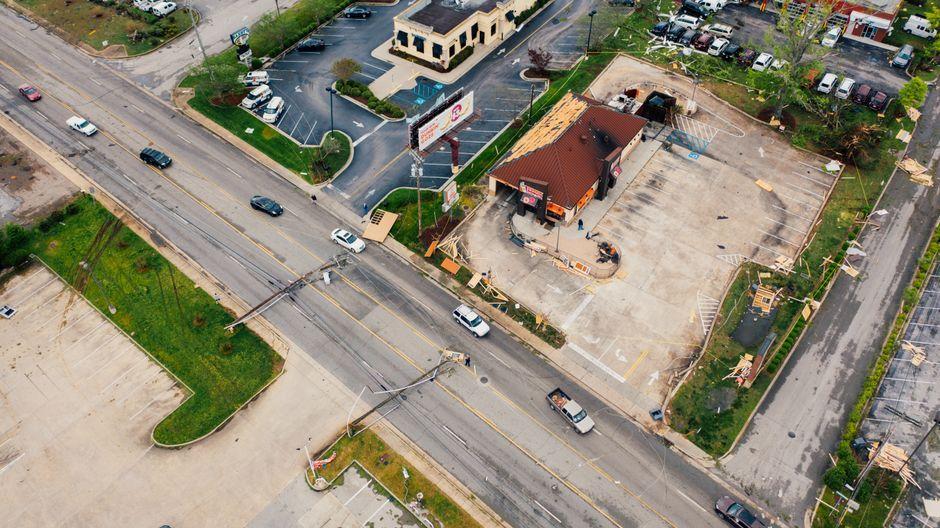
Stock photo for illustration only, not from the actual event
- The city of Gary in Indiana faced a nearly two-week power outage following a severe storm.
- Residents and local officials are strongly demanding accountability from responsible parties.
- Calls have intensified for critical infrastructure improvements to prevent future failures.
- Affected individuals are urging immediate customer relief and compensation measures.
Nearly two weeks after a destructive storm struck the town of Gary in Indiana, United States, plunging the community into darkness and leaving residents without electricity, there are finally signs that relief may be on the way for the struggling city.
The prolonged disruption has sparked frustration among locals and municipal officials alike, prompting them to voice their demands for accountability. Stakeholders are pushing for comprehensive infrastructure enhancements to ensure the power grid can withstand severe weather events without failing for extended periods.
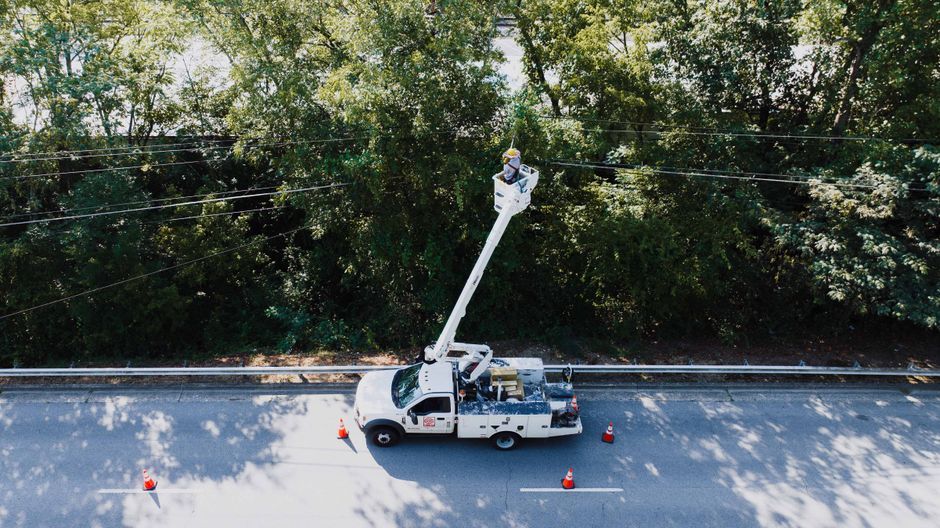
Stock photo for illustration only, not from the actual event
Community members and local representatives emphasize that temporary fixes are no longer sufficient. They are calling for concrete customer relief measures and structural upgrades to address the root causes of the lengthy blackout and to protect the population from future vulnerabilities.
Extended power outages in major regions highlight the growing vulnerability of aging energy grids as climate change intensifies extreme weather patterns worldwide. Strengthening grid resilience through modern engineering and proactive maintenance has become an urgent priority for municipalities aiming to safeguard public safety and economic stability.
As the situation in Gary continues to develop, attention remains focused on local utility providers and government agencies to see how swiftly they can fully restore services and implement fair compensation and support frameworks for those affected by the nearly two-week ordeal.
Source: BBC Science & Environment
Found something wrong in this article? Report an issue with this article
Comments
Leave a Comment