

United CEO on 2027 Fares: Fuel Stays High, Passes Costs
United CEO Scott Kirby expects oil to ease by 2027 while remaining elevated, asserting airlines will successfully sustain higher airfares.
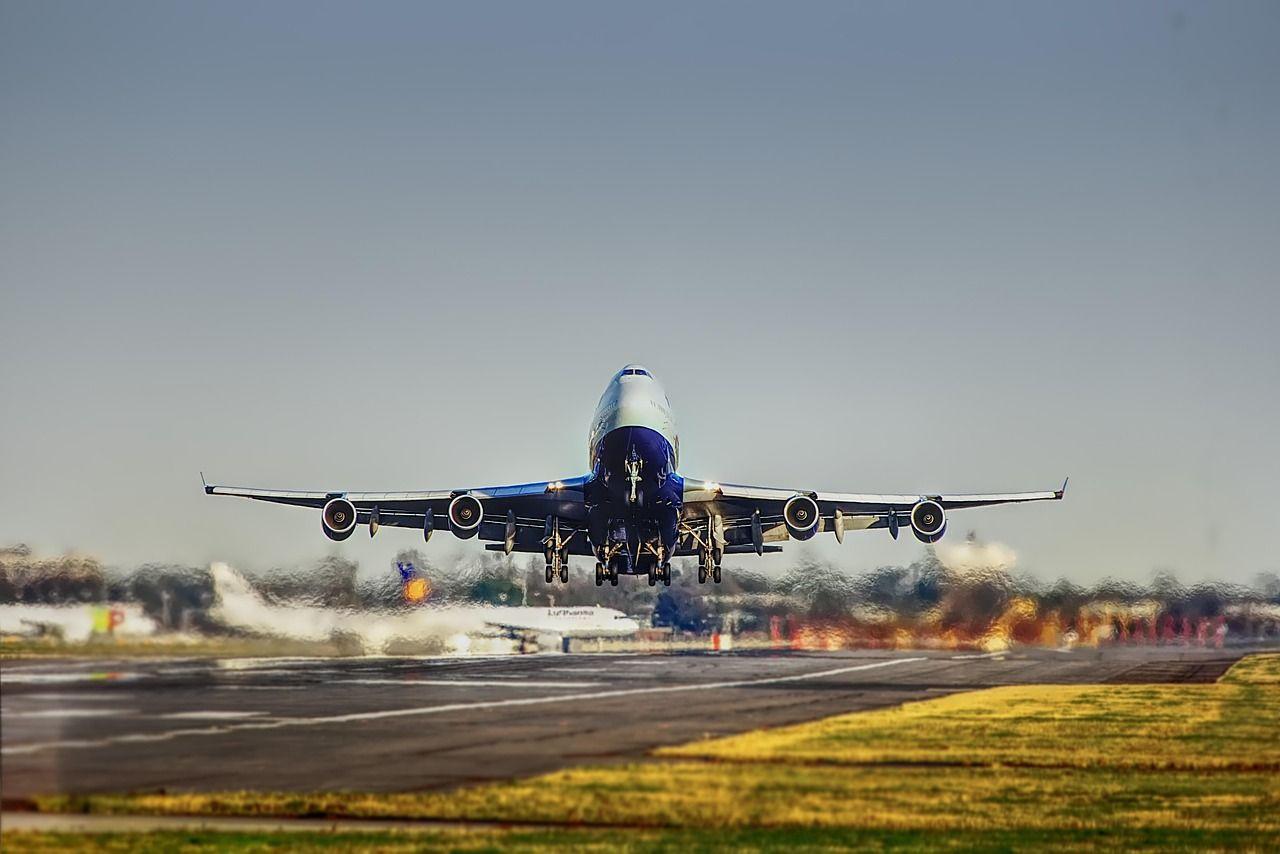
Stock photo for illustration only, not from the actual event
- United CEO Scott Kirby expects 2027 oil prices to ease but stay elevated
- Airlines will continuously pass higher fuel costs onto passengers via fares
- Airfares rose over 20% this year to offset Iran war-driven fuel costs
- Spirit Airlines collapse and rising fees ended ultra-low fare era permanently
United Airlines CEO Scott Kirby stated during an appearance on CNBC prior to unveiling new international routes at Newark on Tuesday that he anticipates oil prices to gradually decline heading into 2027. However, he emphasized that prices will remain higher than historical averages, as surging oil costs driven by the Iran war have heavily impacted airline profitability and forced carriers to adjust ticket prices accordingly.
Airfares across the industry increased by more than 20 percent this year to offset spiking fuel expenses. Kirby noted that carriers possess the pricing power to fully pass these mounting costs onto consumers. He further explained that rising labor, maintenance, and airport fees, alongside reduced domestic capacity resulting from the collapse of Spirit Airlines, have strengthened major airlines' pricing leverage, effectively bringing a permanent end to ultra-low fares such as 9-dollar tickets to Central America.
Stock photo for illustration only, not from the actual event
Despite United's heavy bet on enduring travel demand to maintain pricing levels, Wall Street analysts remain skeptical regarding how long these pricing gains can persist. Analysts warn that planned double-digit capacity growth from carriers like American Airlines and United could eventually pressure and undermine fares.
"My base case would be that oil sort of gradually declines. It stays higher than it was, but that oil gradually declines into 2027."
Scott Kirby
From an analytical standpoint, the frank admission by United's CEO that ultra-cheap air travel is gone highlights a structural shift in global aviation economics. Beyond geopolitical oil shocks, the consolidation and contraction of ultra-low-cost carriers like Spirit Airlines have dampened brutal price competition, enabling legacy airlines to pivot toward premium strategies and unique long-haul routes where travelers are willing to pay more for extended seasonal demand.
Amidst these shifting market dynamics, United is capitalizing on robust travel appetite by launching 10 new international routes to distinctive destinations such as Okinawa and Ljubljana. This expansion targets lengthening travel seasons, as late-season heatwaves push peak European tourism well into October.
Source: Skift
Found something wrong in this article? Report an issue with this article
Comments
Leave a Comment