

Oura Ring Faces Lawsuit Over Sleep Score Accuracy Claims
Oura Ring faces a class-action lawsuit claiming it cannot measure sleep quality and relies on AI guesses no more reliable than a coin flip.
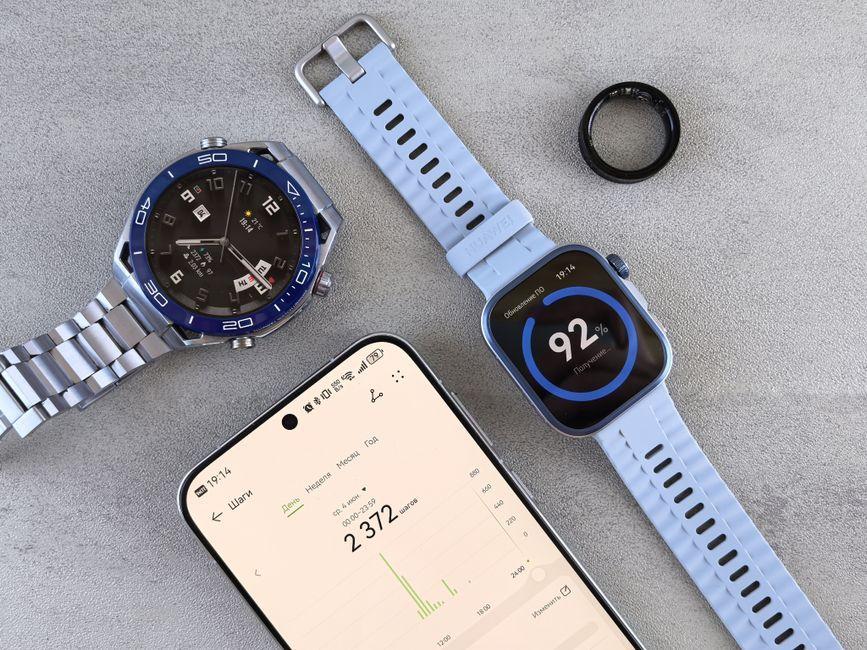
Stock photo for illustration only, not from the actual event
- Oura Ring is facing a class-action lawsuit over its sleep tracking accuracy claims
- Lawyers state the ring cannot measure physiological signals required for sleep stages
- The device relies on LED lights, motion sensors, and temperature data to estimate metrics
- The lawsuit is in early stages and Oura Ring 4 units remain on store shelves
Oura is currently facing a class-action lawsuit over its claims that the smart ring measures your sleep data. Both the law firm bringing the class-action suit and Oura itself have released statements detailing their perspectives on the matter, sparking a broader discussion about how much consumers can truly trust wearables for sleep tracking.
A press release from the law firm summarizing the issue states that the product cannot measure any of the physiological signals required to determine sleep quality or sleep stages. Instead, it delivers only AI-generated guesses that, according to the complaint, are no more reliable than a coin flip.
Beyond the suit being filed and both sides stating their positions, nothing has officially happened yet, and it may be a while before further updates. The case has not gone to trial, there has been no judgment, and Oura rings are still on store shelves for the foreseeable future.
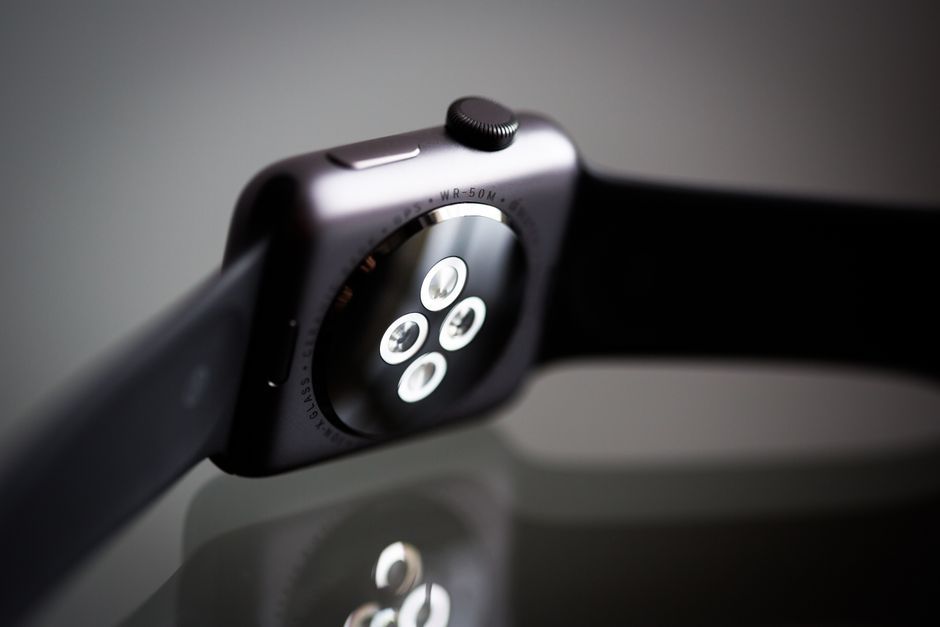
Stock photo for illustration only, not from the actual event
Looking at the hardware mechanics, an Oura ring shines red, green, and infrared LEDs on your skin, using its sensors to pick up reflections to determine heart rate and estimate blood oxygen. The ring also features motion sensors to detect movement, alongside a temperature sensor to monitor skin temperature.
From a technical standpoint, consumer wearables estimate sleep stages through algorithmic inferences rather than direct neurological measurements used in clinical sleep studies. This ongoing lawsuit highlights a growing consumer expectation for transparency regarding the technical limitations of health tracking features in commercial gadgets.
Therefore, the lawsuit is technically correct in stating that Oura does not actually know your sleep stages. However, Oura may successfully argue that its estimations are as accurate as any consumer-grade wearable can realistically be expected to achieve.
Source: Lifehacker
Found something wrong in this article? Report an issue with this article
Comments
Leave a Comment