

Crypto miners pivot to AI amid Bitcoin price slump
Bitcoin mining firms shift computing power and sign multi-billion dollar AI deals after cryptocurrency values fell from their October 2025 peak.
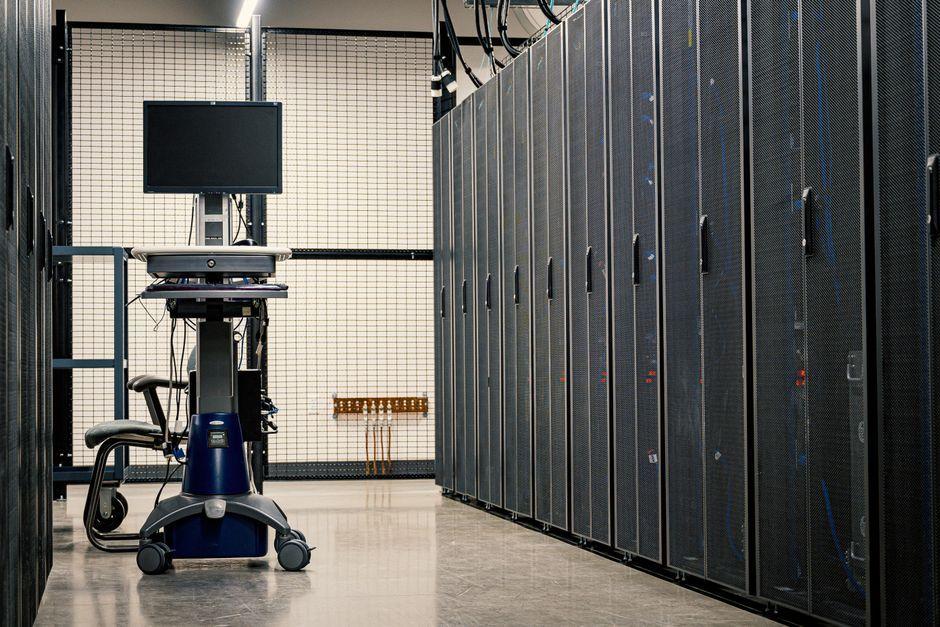
Stock photo for illustration only, not from the actual event
- Bitcoin mining firms are repurposing high-powered computers for AI workloads.
- Cryptocurrency values dropped significantly from their October 2025 peak.
- Riot Platforms signed a $9bn, 20-year compute deal with Anthropic.
- Industry experts note that retrofitting infrastructure for AI is permanent.
Companies that once operated warehouses filled with specialized computers to mine Bitcoin are now redirecting that massive computing power toward artificial intelligence. This strategic shift follows a steep decline in cryptocurrency values from their peak in October 2025, which severely impacted mining rewards and forced operators to seek more reliable revenue streams.
During the height of the cryptocurrency boom, mining firms invested massive amounts of capital into giant banks of high-performance computers. Bitcoin reached a peak of approximately $124,000, or around £91,000, in October 2025 before experiencing a sharp downturn. Although it has since rallied to around $80,000—marking an increase of nearly 30% in August—many firms that have already begun transitioning away from crypto are unlikely to return due to the prohibitive costs of reversing the setup.
Industry analysts explain that Bitcoin mining companies possess valuable expertise in sourcing cheap electricity and efficiently operating massive data centers. Firms such as TerraWulf, Ionic Digital, Core Scientific, Iris Energy, Bitdeer, Riot Platforms, and Hut 8 are increasingly diverting investments toward AI infrastructure. Notably, Riot Platforms signed a massive $9 billion, 20-year compute deal with Anthropic earlier this month.
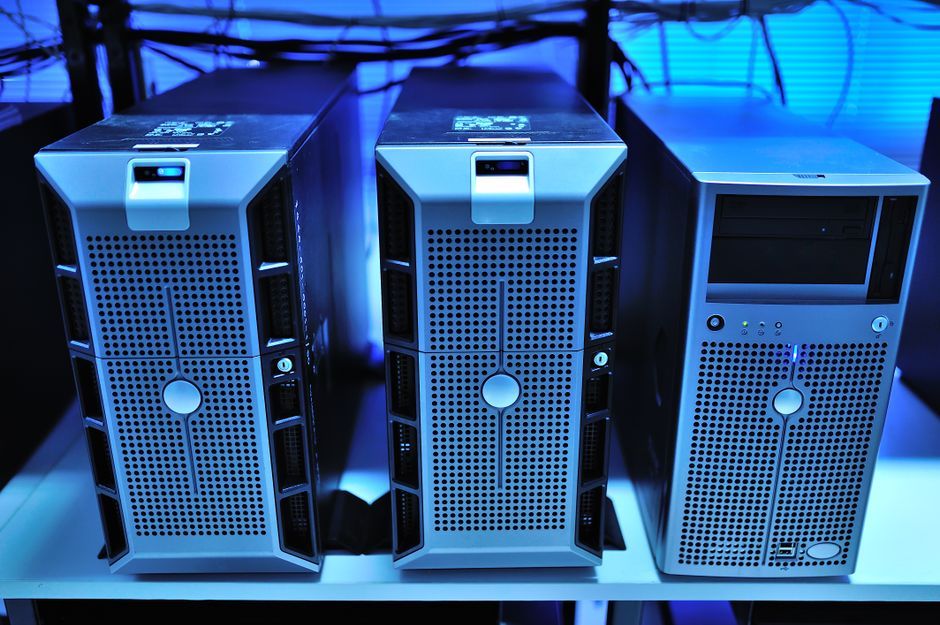
Stock photo for illustration only, not from the actual event
Company names and branding are evolving to reflect this industry-wide transformation. Applied Blockchain rebranded as Applied Digital to focus on next-generation AI and high-performance computing. Similarly, Enegix, which launched a massive Bitcoin mining site in Kazakhstan in 2020, is currently in discussions with AI firms to transform a significant portion of its operations. However, retrofitting these facilities is expensive, requiring some companies to liquidate portions of their Bitcoin reserves to fund the transition.
"Once that multi-gigawatt power infrastructure has been retrofitted to AI or HPC colocation, there is no turning back."
Wolfie Zhao, The Energy Mag
The migration from crypto mining to AI data centers highlights the intense global demand for cheap power and high-end computing clusters driven by large language models. Legacy Bitcoin mining sites are uniquely positioned because they are often located near low-cost energy sources and feature heavy-duty cooling systems. While this pivot eliminates the operational flexibility to jump back into mining at a moment's notice, long-term GPU colocation contracts provide a steady, predictable revenue stream that shields companies from cryptocurrency market volatility.
Wolfie Zhao from The Energy Mag—a publication that rebranded from The Miner Mag to reflect these market shifts—predicts that public miners will continue winding down their hardware operations in the coming quarters. Even with recent price recoveries, multi-decade AI leases offer unbeatable revenue stability. Meanwhile, companies like Bitdeer, which announced its own 16-year deal with Anthropic, plan to maintain a dual-purpose model combining both Bitcoin mining and AI compute services.
Source: BBC Business
Found something wrong in this article? Report an issue with this article
Comments
Leave a Comment