

Dreame shuts down rocket-powered car project amid funding cuts
Chinese vacuum manufacturer Dreame is winding down its Project Starry Sky electric car division after government funding dried up.
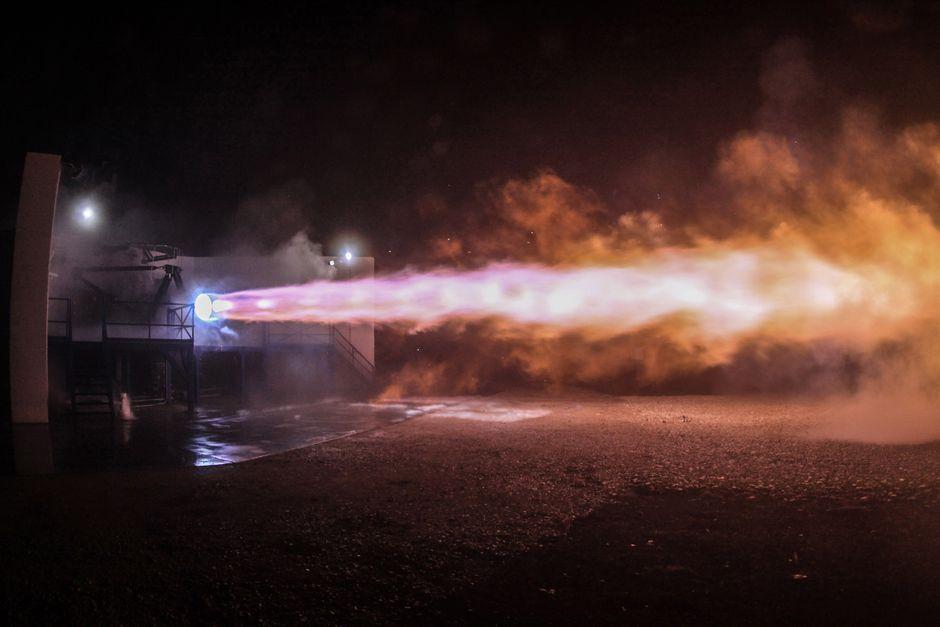
Stock photo for illustration only, not from the actual event
- Dreame is shutting down its rocket car project, Project Starry Sky, due to a lack of government funding.
- The automotive division once employed over 1,000 staff members, now leaving only a few legal and HR workers.
- The Nebula Next concept car shown in San Francisco was exposed as a remote-controlled shell without a chassis.
- The company will refocus on four core business pillars: smart home, outdoor/garden, smart mobility, and embodied AI.
Dreame, the prominent Chinese vacuum manufacturer that once aimed to establish itself as a global technology titan, has officially pulled the plug on its ambitious rocket-powered car aspirations after funding from the government dried up completely.
According to reports from CarNewsChina, the company's dedicated automotive branch known as "Project Starry Sky" previously maintained a workforce exceeding 1,000 employees. At present, only a handful of legal and human resources personnel remain on site to oversee the winding down of operations. In an official statement, Dreame noted that it recently adjusted specific exploratory business operations and will henceforth redirect its energy toward four key business sectors: smart home, outdoor/garden, smart mobility, and embodied AI. A company spokesperson did not respond to requests for further comment.
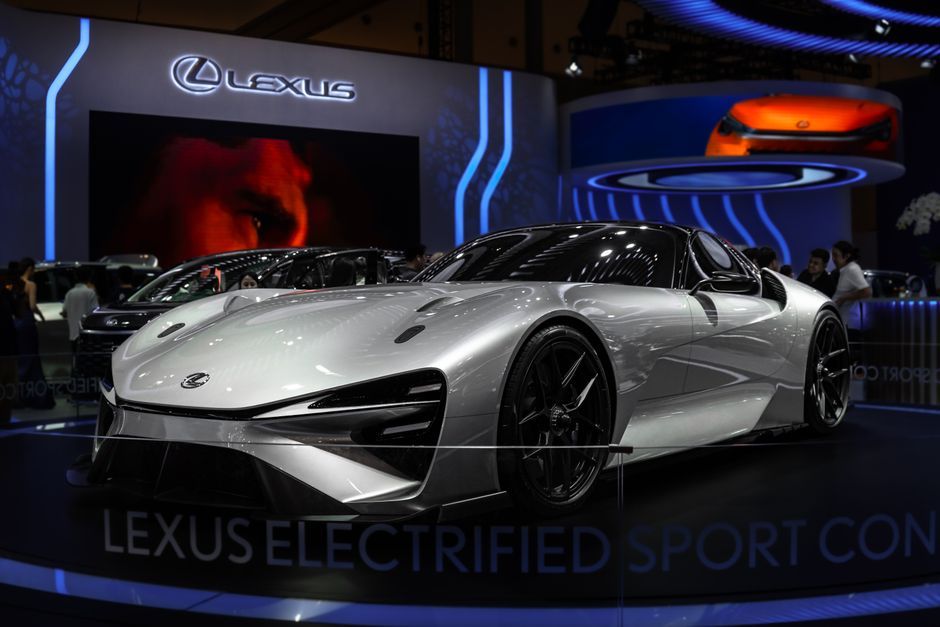
Stock photo for illustration only, not from the actual event
This development follows closely on the heels of new regulations issued by the Chinese government designed to tighten regulatory oversight over the $3.4 trillion private fund industry, with Dreame singled out during the process. After establishing dominance as one of the world's leading vacuum producers, the firm rapidly diversified into numerous emerging markets, giving birth to nearly a thousand affiliated ventures spanning smartphones, robotics, and automobiles. However, a significant portion of this aggressive expansion relied heavily on government funding. According to CNBC, authorities have begun scrutinizing how the company utilized those allocated funds.
Earlier this year, Dreame dazzled attendees at a San Francisco exhibition by unveiling the "Nebula Next 01 Jet Edition," a sleek concept vehicle outfitted with twin rocket engines that theoretically promised a 0 to 60 mph acceleration time of 0.9 seconds. The automobile was supposedly equipped with a sulfide-based solid-state battery boasting a record-shattering energy density exceeding 450 Wh/kg alongside a purported driving range of over 550 km or 341.7 miles, with boosters delivering a staggering 100 kilo-Newtons of force.
The phenomenon of concept vehicles relying on exaggerated claims—commonly referred to as vaporware—frequently surfaces within the technology and electric vehicle startup sectors as firms vie for investor capital and public attention. Dreame's trajectory echoes similar challenges faced by Faraday Future, another Chinese electric vehicle enterprise that encountered identical hurdles roughly a decade ago regarding physical limitations and the use of offstage remote controls during public demonstrations.
Nevertheless, the concept immediately generated intense scrutiny, particularly regarding fundamental inquiries into how Dreame could engineer such extreme acceleration without violating basic physical laws. Evidently, the company offered no substantive explanations, as the exhibition vehicle proved to be complete vaporware. Former employees disclosed to China Economy that the showcase vehicle presented in San Francisco lacked a genuine automotive chassis and was operated entirely via remote control. While concept vehicles rarely qualify as functional production cars in a technical sense, the sheer magnitude of deception involved remains striking.
The revelation that Dreame's vehicle existed purely as vaporware comes as little surprise to observers familiar with the flamboyant, boastful declarations of firms with zero prior automotive manufacturing experience abruptly attempting to build automobiles. Faraday Future, another Chinese competitor harboring ambitions to construct autonomous electric vehicles, confronted this exact dilemma nearly ten years ago, facing simultaneous allegations of operating public demonstration vehicles via offstage remote controls.
Source: The Verge
Found something wrong in this article? Report an issue with this article
Comments
Leave a Comment