

Toxic waste sites exposed in Michael Sheen documentary
A former Monsanto worker reveals hazardous waste burial details following a documentary highlighting 20,000 high-concern UK sites.
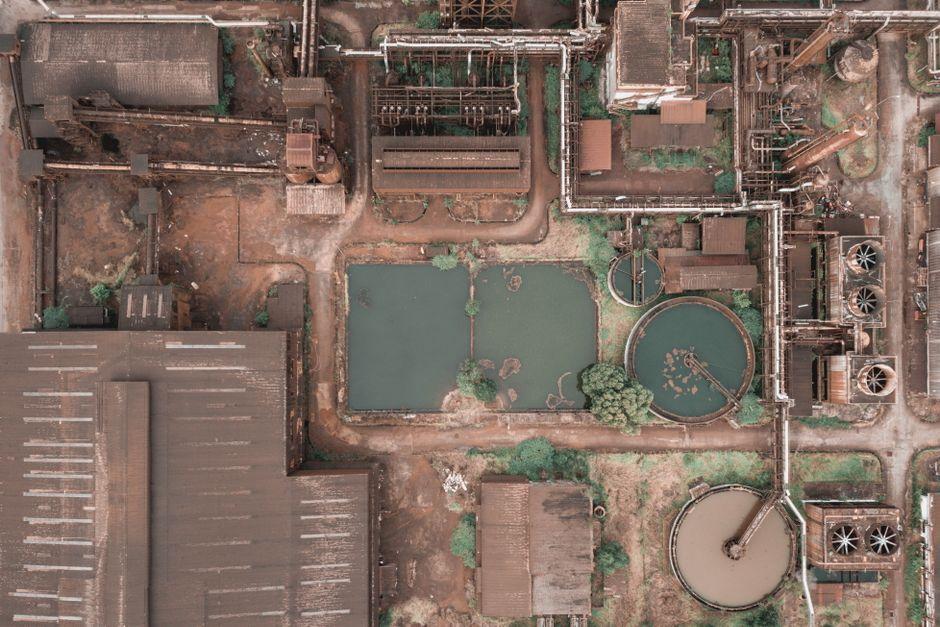
Stock photo for illustration only, not from the actual event
- Stephen Constance worked at Monsanto's Newport factory in the 1990s sealing toxic waste underground.
- Dr David Megson warns there are around 20,000 high-concern waste sites across the UK.
- PCBs were banned in the UK in the 1970s and are now prohibited in 151 countries.
A former worker who spent three years helping seal toxic waste underground has come forward with disturbing details about his time at chemical giant Monsanto, following a BBC documentary presented by Michael Sheen regarding Wales' toxic waste legacy.
Stephen Constance, 61, worked at the company's Newport factory during the 1990s. He stated that staff were provided with cheap protective equipment and were never informed about the exact nature of the materials they were burying.
Stock photo for illustration only, not from the actual event
Constance's decision to speak out follows the investigative efforts of researcher and whistleblower Douglas Gowan, who spent 50 years attempting to persuade authorities to investigate the widespread dumping of industrial chemicals, including polychlorinated biphenyls (PCBs).
PCBs, described by Gowan as some of the worst contaminants known to man, were banned in the UK in the 1970s and have since been prohibited by 151 countries. Meanwhile, a 1972 memo revealed that Monsanto knew the health risks associated with PCBs but chose to increase imports of the chemical into its Newport plant.
"In terms of what we knew was there and what we were potentially exposed to, no."
Stephen Constance
Polychlorinated Biphenyls (PCBs) are persistent organic pollutants that resist environmental degradation, accumulating in ecosystems and human tissue over decades. The leakage of these historical chemical dumps poses ongoing environmental and public health challenges long after industrial operations cease.
Dr David Megson, a reader in chemistry and environmental forensics at Manchester Metropolitan University who led the scientific data collection for the documentary, warned that the identified sites are leaking and represent a dangerous chemical cocktail.
Source: BBC Science & Environment
Found something wrong in this article? Report an issue with this article
Comments
Leave a Comment