

NVIDIA Jetson Orin Nano 2 brings physical AI to edge
NVIDIA introduces Jetson Orin Nano 2 edge robotics computer delivering 78 TOPS and improved energy efficiency for drones and robots.

Stock photo for illustration only, not from the actual event
- NVIDIA unveils the Jetson Orin Nano 2 edge computer for robots, drones, and vision systems.
- Delivers 78 trillion operations per second of AI compute with 8GB of memory and an 8-core Arm CPU.
- Consumes 40 percent less power in 15-watt mode compared to the previous Orin Nano Super.
- Key industry partners including Wing and Matic are already evaluating and adopting the new board.
NVIDIA has officially unveiled the Jetson Orin Nano 2, an edge robotics computer designed to bring physical AI capabilities directly to drones, robots, and vision systems. The company positions the new board as an entry-level option for developers seeking to run generative AI models locally on machines rather than relying on data centres.
The launch is driven by significant performance improvements in small and medium-sized AI models, which NVIDIA notes have achieved the accuracy levels previously restricted to the largest frontier models.
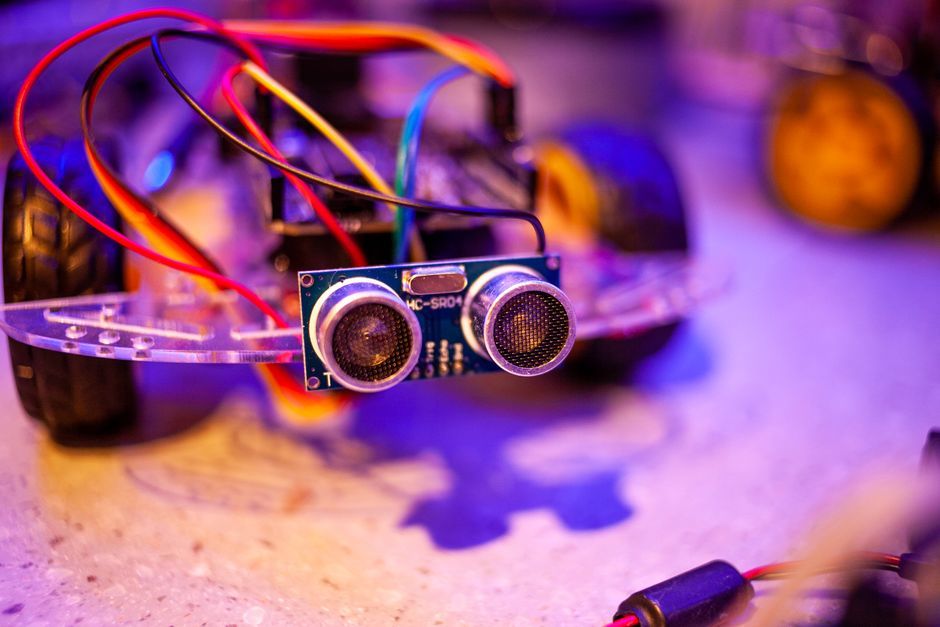
Stock photo for illustration only, not from the actual event
Deepu Talla, VP of Robotics and Edge AI at NVIDIA, stated that the Jetson Orin Nano 2 computer brings this technological breakthrough within reach of millions of developers, offering the performance and energy efficiency required for real-time edge reasoning.
The Jetson Orin Nano 2 features 78 trillion operations per second of AI compute, 8GB of memory, and an eight-core Arm CPU. The board achieves twice the inference performance of the existing Jetson Orin Nano Super while operating on 40 percent less power in 15-watt mode.
"The Jetson Orin Nano 2 computer puts that breakthrough within reach of millions of developers, delivering the performance and energy efficiency needed for real-time reasoning at the edge."
Deepu Talla
Running on NVIDIA's open software stack, the board supports large language models and vision language models such as NVIDIA's Cosmos and Nemotron, alongside Gemma 4 and Qwen 3. Early adopters exploring the hardware include Cognex, Doosan Bobcat, and Matic.
Edge AI processing reduces latency by eliminating the need for constant cloud communication, enabling autonomous systems to execute critical safety decisions locally in dynamic environments.
Alphabet's drone delivery subsidiary Wing is evaluating the Jetson Orin Nano 2 to enhance delivery speed and reliability, while Matic Robots is integrating the board into home cleaning robots for advanced spatial understanding and conversational AI capabilities.
Source: AI News
Found something wrong in this article? Report an issue with this article
Comments
Leave a Comment