

High Household Energy Bills: Why Costs Are Here to Stay
UK energy bills are set to rise by nearly 4% in October with a further 9% jump predicted in January, as unpaid household energy debt reaches £6bn.
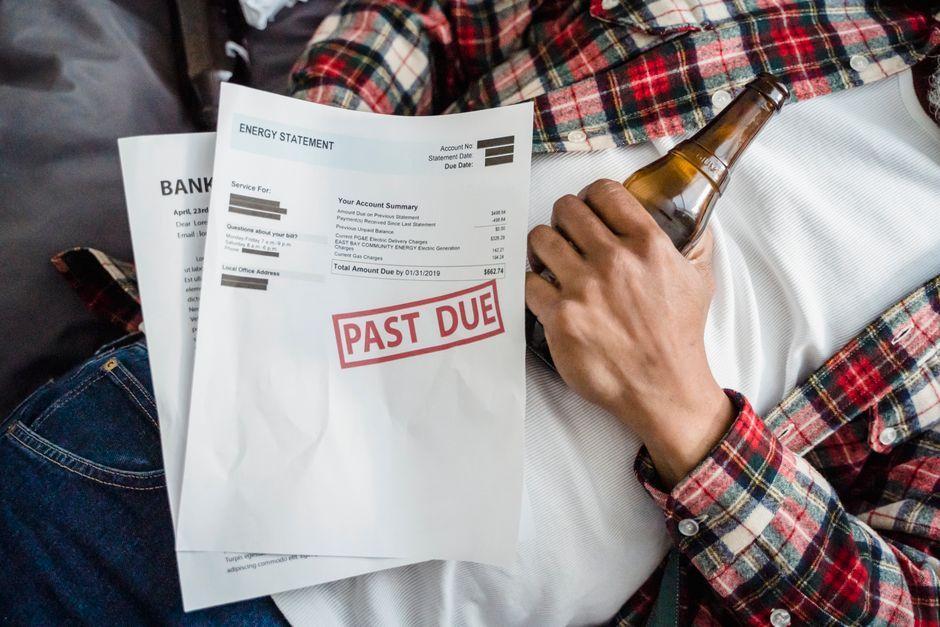
Stock photo for illustration only, not from the actual event
- UK household energy bills are set to rise by nearly 4% in October, followed by a predicted 9% spike in January.
- Unpaid energy debt past three months has hit a record high, with suppliers estimating total unpaid bills at £6bn.
- Covering the cost of unpaid debts already adds about £60 to £100 to the average annual bill for every household.
- Campaigners and industry bodies are urging the government to introduce a targeted discounted tariff costing £1.9bn for vulnerable groups.
While energy bills may have been far from people's minds during the sweltering summer months with clothes drying quickly outdoors and cold showers tempting many, the latest forecasts on gas prices are bringing renewed worry and urgency to families and government ministers alike.
Kevin Peachey, cost of living correspondent for the BBC, notes that energy prices will rise by nearly 4% for millions of households in October. Even more striking is a prediction from Cornwall Insight, a respected consultancy, pointing to a further 9% increase at the peak of winter in January.
With ongoing volatility in the wholesale gas market sparked by events in the Gulf region, the energy sector warns that high prices are here to stay. EDF suggests that bills will remain stubbornly high until at least the end of the decade.
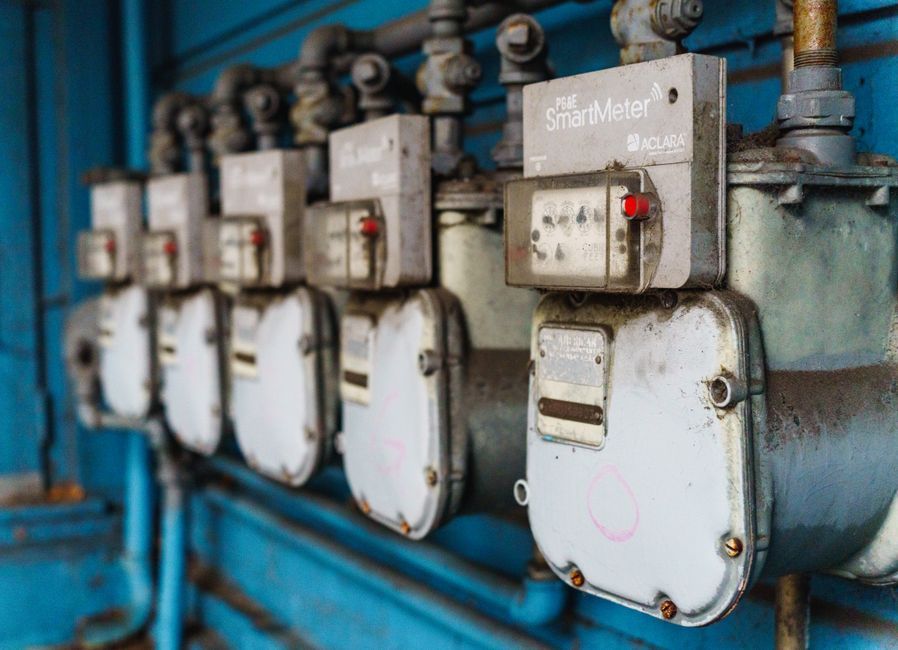
Stock photo for illustration only, not from the actual event
The cost-of-living squeeze driven by energy prices continues to bite hard. The typical household dual-fuel bill is now 70% higher than at the start of 2021 before Russia's invasion of Ukraine, amounting to around £600 more each year, according to industry body Energy UK.
As a result, more people have fallen behind on payments. Unpaid energy debt of more than three months is at a record high according to regulator Ofgem, while suppliers estimate total unpaid bills have reached £6bn and are expected to rise to £7bn by the end of the year.
Context and Analysis: The persistent rise in energy bills highlights the structural vulnerability of the UK market to international wholesale gas shocks. Even as households slash consumption—prompting Ofgem to lower typical usage figures to 9,500 kWh of gas and 2,500 kWh of electricity—fixed charges and unpaid debt burdens continue to inflate baseline costs for all consumers.
To address this crisis, Ofgem has proposed a debt relief scheme, and charities are pushing for a targeted discounted tariff based on benefits, health, and income data. Energy UK estimates this plan would cost £1.9bn, significantly cheaper than the £40bn universal support package rolled out after the Ukraine invasion.
Options for the newly appointed Chancellor, John Healey, remain politically difficult. Decisions must be made ahead of his upcoming Budget regarding whether to fund support through general taxation, borrowing, or adding costs back onto consumer bills.
Source: BBC Business
Found something wrong in this article? Report an issue with this article
Comments
Leave a Comment