

Rare Barn Owls Recorded in Fermanagh After 50 Years
Rare barn owls have successfully bred 10 chicks across two sites in County Fermanagh, Northern Ireland, marking a milestone after 50 years of conservation work.
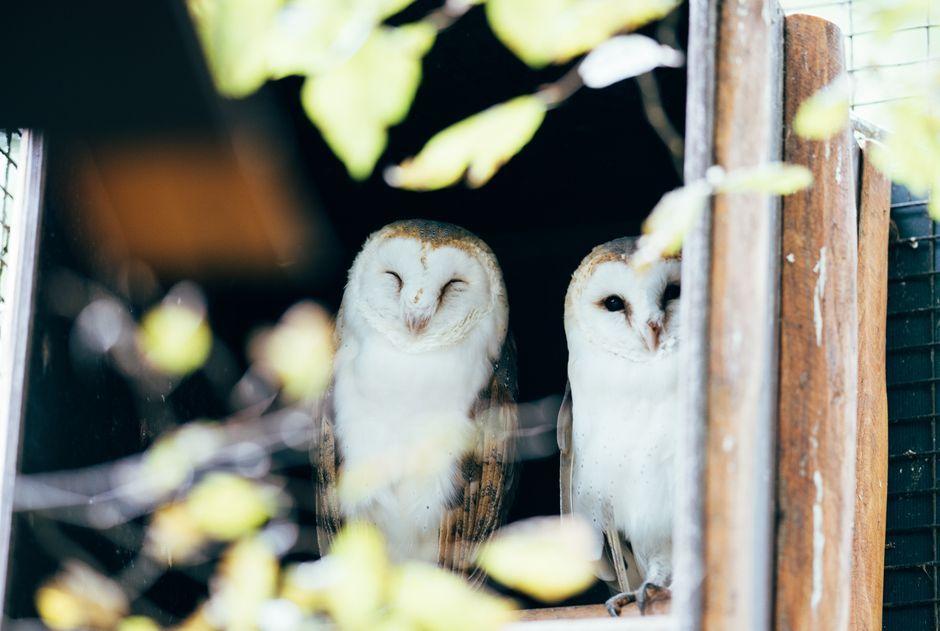
Stock photo for illustration only, not from the actual event
- Ten barn owl chicks recorded across two sites in County Fermanagh.
- First recorded barn owl chicks in the county for half a century.
- Result of long-term conservation work and nest box installation by Ulster Wildlife.
- Fewer than 30 breeding pairs are estimated to remain in Northern Ireland.
Decades of dedicated conservation efforts in Northern Ireland have reached a major milestone with the discovery of 10 barn owl chicks across two separate sites in County Fermanagh. Divided into two broods of five, these chicks represent the first recorded successful breeding of barn owls in the county in half a century. Environmental experts estimate that fewer than 30 breeding pairs of these elusive birds now remain across the entirety of Northern Ireland.
This breeding success stems from over ten years of collaborative habitat restoration led by Ulster Wildlife, alongside BirdWatch Ireland and the British Trust for Ornithology, with backing from the Northern Ireland Environment Agency. Conservationists have worked closely with local landowners and farmers to install specialized nest boxes and improve surrounding rough ground and hedgerows, creating safe havens that mimic the natural tree cavities these birds rely on.
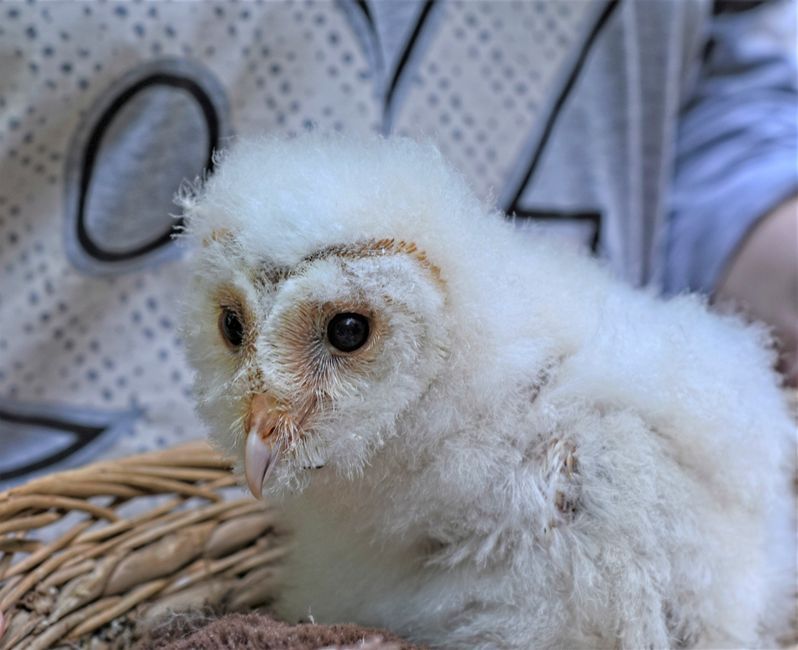
Stock photo for illustration only, not from the actual event
Katy Bell, a senior conservation officer with Ulster Wildlife, noted that while nest boxes play a vital role, the willingness of local farmers to adapt their land management has been equally crucial. Many farmers have expressed strong interest in having the boxes installed on their properties because barn owls naturally help control rodent populations by eating rats and mice on farms, fostering a harmonious relationship between agriculture and wildlife.
"They face so many challenges. They get poisoned with rodenticides, the loss of trees for them to nest in, the loss of nice big hedgerows for them to hunt over, the loss of rough ground for them to hunt over. They do get hit on our roads."
Katy Bell, Ulster Wildlife
To monitor their future movements, each of the Fermanagh chicks has been fitted with a small identification ring around its leg under licence from the Northern Ireland Environment Agency. This allows conservationists to track the birds if they turn up in other areas after leaving the nest. Meanwhile, members of the public are encouraged to report any barn owl sightings across Northern Ireland, particularly in the western regions, to help close gaps in records and safeguard vital breeding zones.
Contextual Analysis: Barn owls are essential ecological indicators and natural pest controllers in agricultural landscapes. Their population decline across the UK, which has landed them on the red-list of conservation concern, is primarily driven by habitat fragmentation, the loss of mature hollow trees, and secondary poisoning from rodenticides. Initiatives like installing artificial nest boxes and engaging farming communities represent critical intervention strategies to combat the disappearance of natural nesting sites in modern rural environments.
Source: BBC Science & Environment
Found something wrong in this article? Report an issue with this article
Comments
Leave a Comment