

Seattle firm simulates 15,000 years of solar wind in 4h
A Seattle startup successfully simulates 15,000 years of solar wind in just four hours, shedding light on lunar resource scarcity.
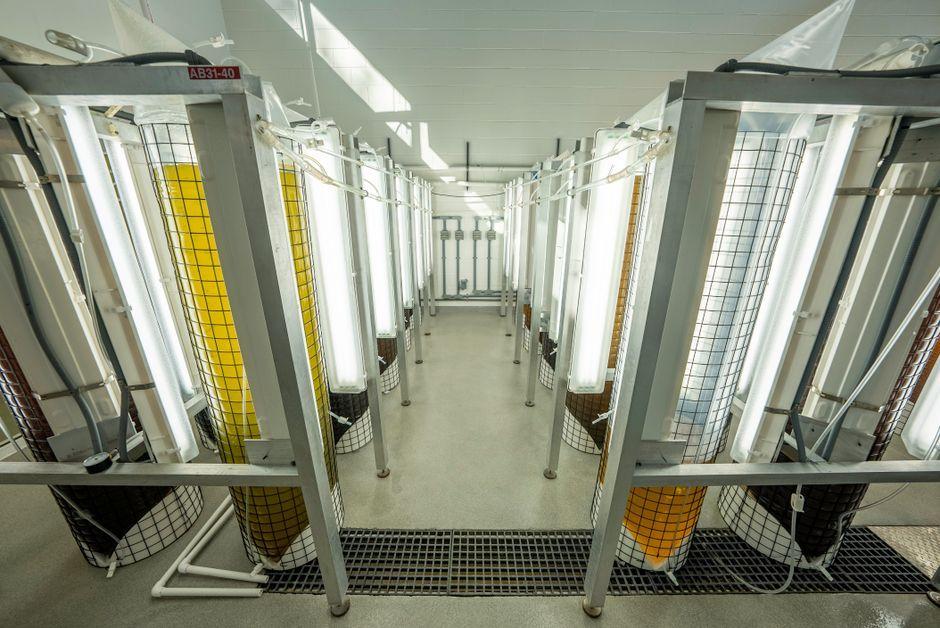
Stock photo for illustration only, not from the actual event
- A Seattle startup simulated 15,000 years of solar wind activity
- The entire complex simulation process took only four hours
- The experiment focuses on understanding effects on lunar resources
- Highlights the ongoing challenges of scarcity regarding the Moon
The aerospace sector is closely watching a novel experiment conducted by a technology company based in Seattle, United States, which aims to compress millennia of solar activity into a fraction of a day to better understand space weather impacts.
This ambitious test compresses solar wind forces that would naturally take over ten millennia into a rapid four-hour window, allowing researchers to analyze material changes and space environment interactions efficiently.
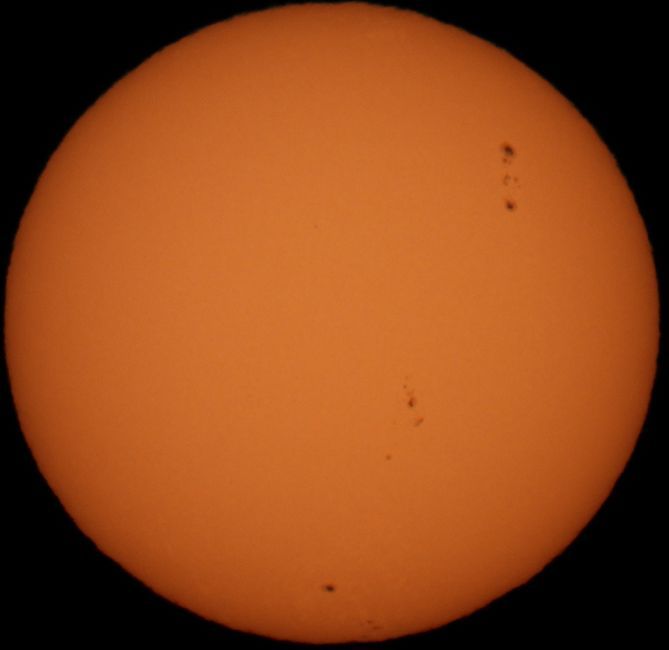
Stock photo for illustration only, not from the actual event
Beyond the technical achievement of accelerating physical simulations, this initiative touches on broader philosophical and practical questions regarding modern space exploration and our approach to extraterrestrial bodies.
"We're living in this world of scarcity with the Moon."
Seattle company representative
Solar wind consists of a continuous stream of charged particles released from the sun's corona. Compressing 15,000 years of this phenomenon into a four-hour laboratory or computational framework demonstrates advanced modeling capabilities. This kind of simulation is crucial for predicting how lunar soil interacts with solar radiation, which directly impacts future resource extraction and habitation plans on the Moon.
While technical specifics of the methodology continue to be evaluated, this milestone offers the scientific community a sharper lens through which to view the realities of managing limited space assets.
Source: Ars Technica
Found something wrong in this article? Report an issue with this article
Comments
Leave a Comment