

World's First Live AI-Assisted Brain Surgery Removes Tumour
A 48-year-old father becomes the first patient globally to undergo brain tumour removal surgery assisted by real-time artificial intelligence in London.
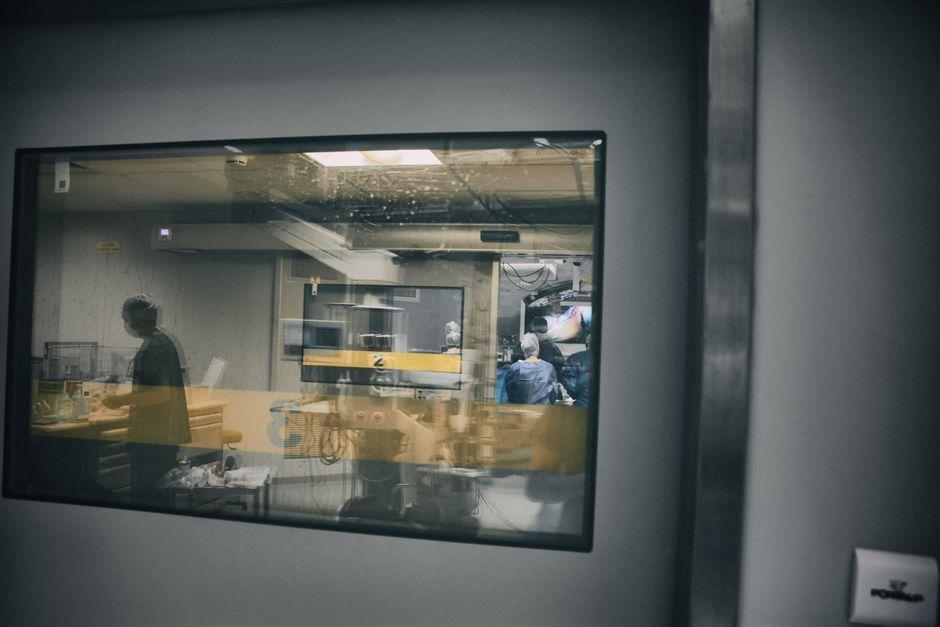
Stock photo for illustration only, not from the actual event
- Rhys Hibbert, 48, is the world's first patient to undergo brain tumour removal with real-time AI assistance.
- The AI tool analysed live surgical video feeds to warn surgeons about hidden blood vessels and nerves.
- His 11mm benign pituitary tumour was pressing against his optic nerves and threatened his vision.
- Surgeons noted that the AI acted as an expert second pair of eyes trained on hundreds of operations.
Medical history was made when Rhys Hibbert, a 48-year-old father-of-two from Bedfordshire, became the first person in the world to undergo brain tumour removal surgery aided by a real-time artificial intelligence system at University College London Hospital, successfully extracting the growth and safeguarding his sight.
The journey began roughly 18 months ago when Hibbert, a customer services manager who lived a fit and healthy lifestyle complete with daily two-mile lunchtime walks, suddenly lost consciousness and suffered a seizure in the middle of the street. Subsequent brain scans revealed an 11-millimetre non-cancerous tumour growing on his pituitary gland, a marble-sized organ situated at the base of the skull.
This crucial gland secretes vital hormones regulating growth, metabolism, blood pressure, and body temperature. Unfortunately, it sits in close proximity to the carotid arteries supplying blood to the brain and the optic nerves controlling vision. As Hibbert's tumour expanded and pressed against his optic nerves, it constricted his peripheral vision, leading him to trip over objects while experiencing severe fatigue and dizziness.
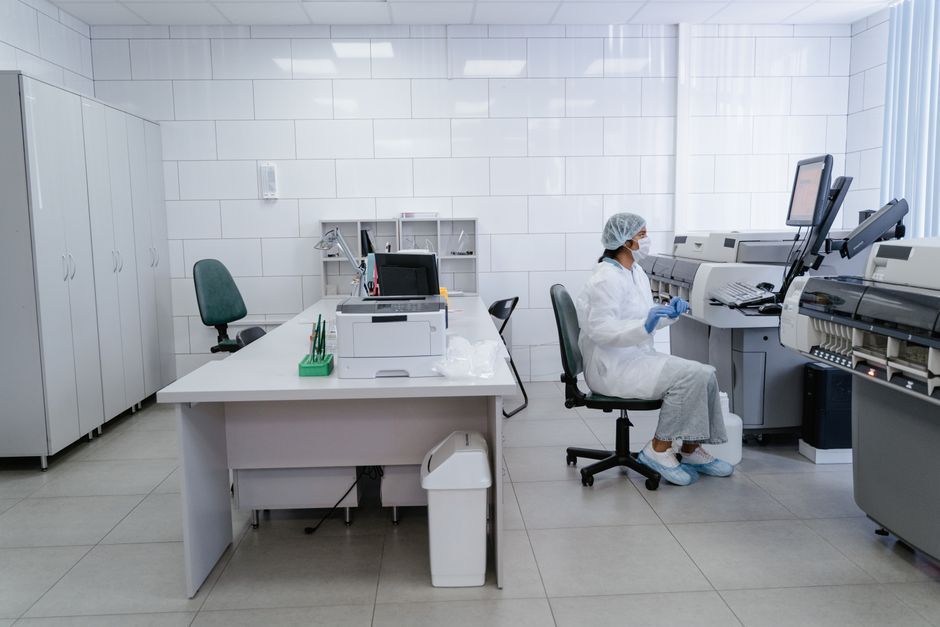
Stock photo for illustration only, not from the actual event
The surgical procedure required inserting an endoscope—a thin camera mounted on a stick—through the nasal passage to the base of the skull where the tumour lay hidden behind layers of bone and tough membrane. Statistical risks for this procedure include a 25 to 50 percent chance of failing to remove the entire tumour and a 0.5 to 2 percent risk of injuring a major blood vessel.
"From a patient safety perspective, I can see absolutely the benefit. There are no road signs inside our head."
To navigate these hidden anatomical structures, the medical team utilised a bespoke AI tool that analysed a live video feed of the operation on a secondary screen, tracking surgical instruments and highlighting zones where blood vessels and nerves were most likely to reside while indicating the safest extraction corridors. Operating similarly to facial recognition technology on mobile phones, the system instead detects critical and concealed anatomical features.
Developed with funding from the National Institute for Health and Care Research and Google, researchers trained and evaluated the AI system using hundreds of recorded pituitary tumour removals, manually outlining vessels and nerves in each video to teach the software how to recognise key structures. Prof Hani Marcus noted that the tool has been trained on more operations than most surgeons witness in a lifetime, functioning as an expert second pair of eyes that operates in real time. The team's long-term vision is to build a ChatGPT-style assistant for surgeons to consult during complex procedures.

Stock photo for illustration only, not from the actual event
Following the successful operation, Hibbert has experienced steady improvements in his vision every few days over the past eight weeks, with his energy levels fully restored and all prior symptoms eliminated. UK Health Innovation Minister James Frith praised the life-changing outcome achieved through government-funded research, emphasising the government's commitment to implementing proper safety safeguards while harnessing the transformative opportunities AI offers healthcare.
Source: BBC Health
Found something wrong in this article? Report an issue with this article
Comments
Leave a Comment