

Discovering Nepal: The Roof of the World in Himalayas
Explore Nepal, a landlocked South Asian country home to Mount Everest at 8,849 meters and the cultural hub of Kathmandu.
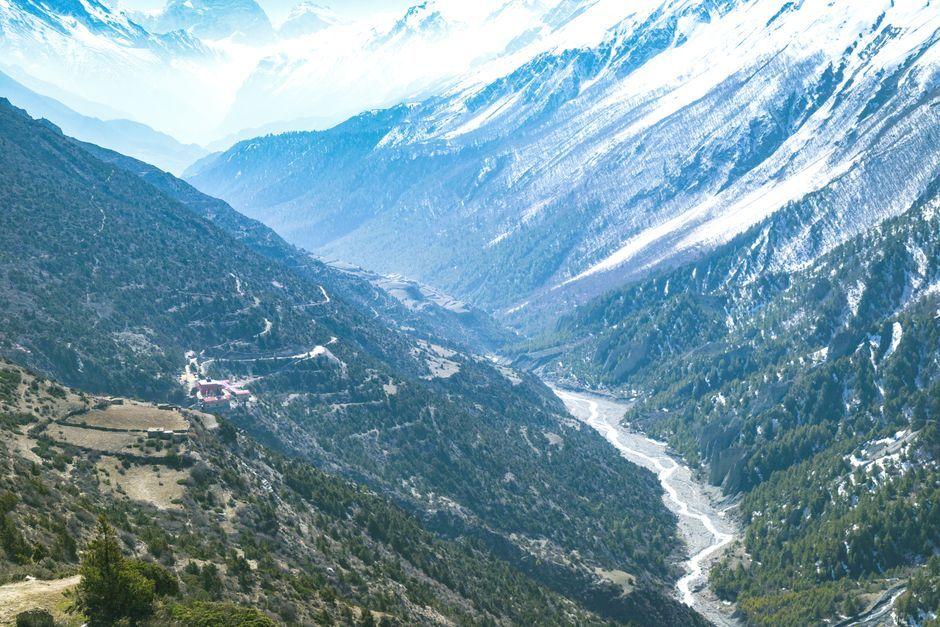
Stock photo for illustration only, not from the actual event
- Nepal is a landlocked country situated along the southern slopes of the Himalayas in South Asia.
- It is bordered by Tibet of China to the north and India to the east, west, and south, with Kathmandu as its capital.
- The country hosts Mount Everest, recognized as the highest peak in the world at 8,849 meters above sea level.
- Its terrain is divided into three distinct elevation zones, creating diverse regional climates and landscapes.
Nepal features much more than snowy mountains, encompassing rolling hills, river valleys, plains, and vastly contrasting climates determined by altitude. This geographical diversity establishes the nation as a premier destination for nature lovers, mountaineers, and enthusiasts of South Asian history and culture.
Situated in South Asia along the southern rim of the Himalayas, Nepal is a landlocked nation. Its capital, Kathmandu, lies within the Kathmandu Valley and serves as the political, economic, cultural, and transit center for travelers entering various regions of the country.
Regarding its borders, Nepal shares its northern frontier with China's Tibet Autonomous Region, while India borders the country to the east, west, and south. On the world map, Nepal stretches horizontally from west to east, wedged between major powers China and India.
The reason Nepal is frequently called the roof of the world stems from its territory encompassing parts of the Himalayan mountain range alongside multiple towering global peaks. The most famous landmark is Mount Everest, straddling the border between Nepal and Tibet at approximately 8,849 meters above sea level.
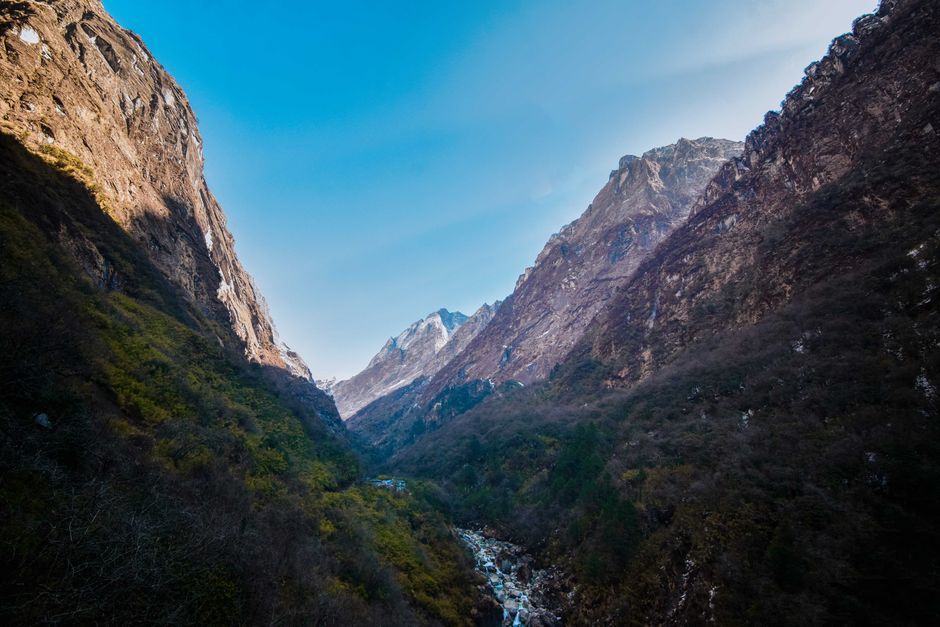
Stock photo for illustration only, not from the actual event
Nepal's geography is categorized into three major zones stretching from north to south: the high mountains, the central hills and valleys, and the southern plains. The northern high mountain region features steep summits, glaciers, and cold weather. The central hill region houses Kathmandu and Pokhara, while the southern Tarai plains offer warmer weather and crucial agricultural land.
Nepal's geography, ranging from ancient temples in Kathmandu valleys to towering Himalayan peaks, reflects a profound convergence of South Asian civilizations and the Tibetan plateau. These extreme elevation shifts create ecosystems and lifestyles within a single country that feel worlds apart.
Nepal's remarkable appeal lies in its fusion of nature, religion, and culture, offering travelers diverse experiences such as:
- Touring Kathmandu to view ancient temples, stupas, and heritage architecture.
- Trekking through the Annapurna circuit or the Everest region.
- Viewing lakes and mountain vistas in the city of Pokhara.
- Visiting Lumbini, the birthplace of Buddha.
- Experiencing lowland wildlife and exploring distinct ethnic minority traditions.
Source: Thairath Lifestyle
Found something wrong in this article? Report an issue with this article
Comments
Leave a Comment