

WHOOP highlights workforce availability and HRV role
WHOOP insights reveal human performance relies on physiological reserves, daily habits, and HRV tracking rather than talent alone.
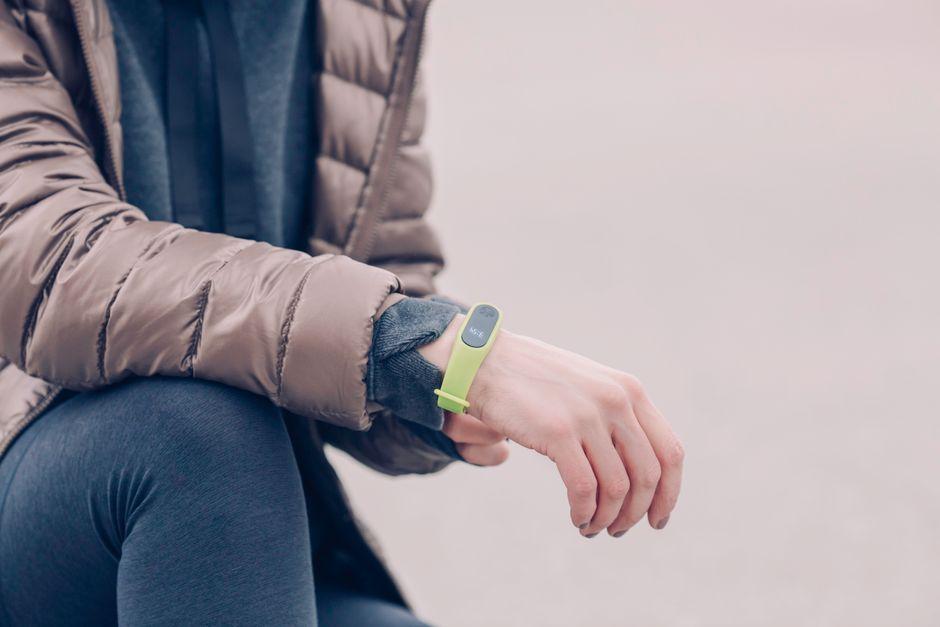
Stock photo for illustration only, not from the actual event
- True performance is the ability to show up and execute consistently day after day.
- Demand mismatch occurs when physical and mental demands exceed available energy reserves.
- HRV trends should be tracked against personal baselines rather than compared to others.
Two individuals with identical skills and genetics can deliver vastly different performance outcomes. This divergence often stems not from raw talent, but from whether an individual's body retains sufficient energy reserves to handle incoming demands. Wearable technology has increasingly brought metrics like Heart Rate Variability, or HRV, into the spotlight, carrying unique implications for every single user.
According to Holmes, human performance is not defined by achieving excellence just once, but by the capacity to return day after day with adequate energy, focus, and judgment to work, care for family, and navigate real-life conditions. As modern lifestyles demand faster paces, heavier workloads, and expanding roles without a corresponding increase in physiological reserves, individuals frequently encounter a state known as demand mismatch, where external demands outpace current capacity.
This imbalance manifests beyond mere fatigue, impacting energy levels, mood, situational awareness, and interpersonal dynamics. For professionals and leaders, this often translates to shortened attention spans, impaired decision-making, or attending meetings without the vitality required for meaningful participation. Performance capacity is ultimately shaped by the interplay between bodily reserves, daily behaviors, and incoming demands.
Physiologically, Heart Rate Variability measures the variation in time between each heartbeat. Even with an average heart rate of 60 beats per minute, the exact interval between beats fluctuates. This micro-variation reflects the autonomic nervous system, comprising the sympathetic branch, which manages stress responses, and the parasympathetic branch, which facilitates relaxation and recovery. Higher baseline-relative HRV generally signals adequate rest, whereas lower readings indicate physical stress, heavy training, or inadequate sleep. Cleveland Clinic notes that HRV naturally declines with age and responds to lifestyle factors.
<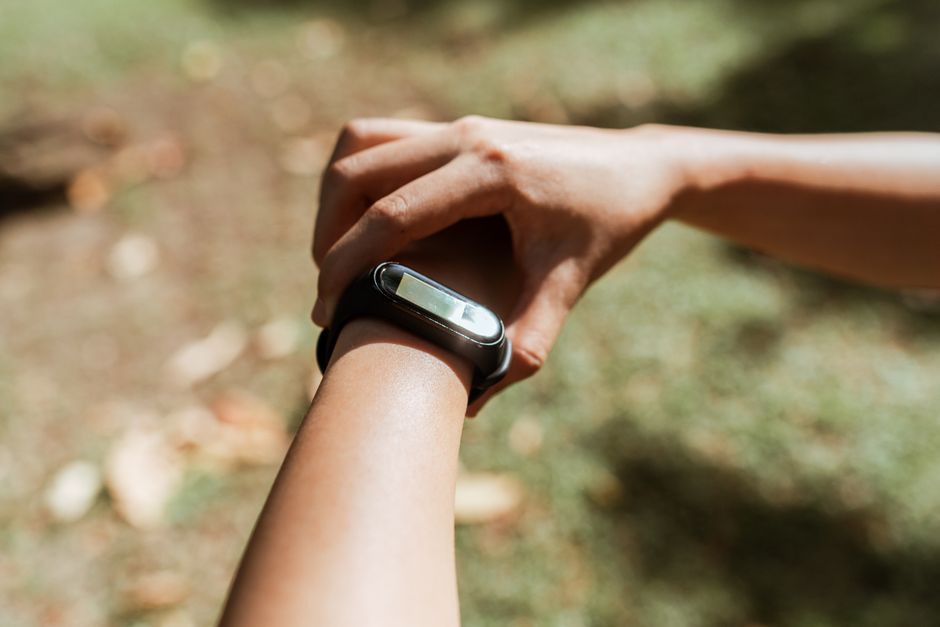
Stock photo for illustration only, not from the actual event
"The best ability is availability"
Holmes
Highlighting the importance of readiness, Holmes referenced a five-year study by Benjamin Raysmith and Michael Drew tracking elite Australian track and field athletes. The research demonstrated that training availability accounted for 86% of successful seasons. Similarly, studies monitoring professional golfers revealed that periods characterized by consistent sleep patterns and elevated HRV directly correlated with superior tournament performance, despite the athletes retaining the exact same skill level.
Analytical Context: The integration of physiological data like HRV into professional environments underscores a broader shift toward human sustainability. By shifting focus from relentless output to proactive energy management, organizations can help mitigate chronic burnout and support sustainable cognitive performance over time.
To build long-term capacity, Holmes recommends prioritizing seven to nine hours of quality sleep within a cool, dark, and quiet environment. Incorporating micro-recovery practices during the day—such as slow breathing exercises, time in nature, or journaling—helps interrupt chronic stress cycles. Additionally, individuals should monitor recovery-disrupting behaviors such as late caffeine intake, alcohol consumption, and heavy pre-bed meals, making incremental adjustments guided by wearable data trends.
Source: Techsauce
Found something wrong in this article? Report an issue with this article
Comments
Leave a Comment