

UK Airport Record Masks Deep Traffic Shift from Middle East
UK airports posted a record 81 million passengers in Q2, but Middle East traffic collapsed due to the Iran war, wiping out nearly 1.5 million travelers.
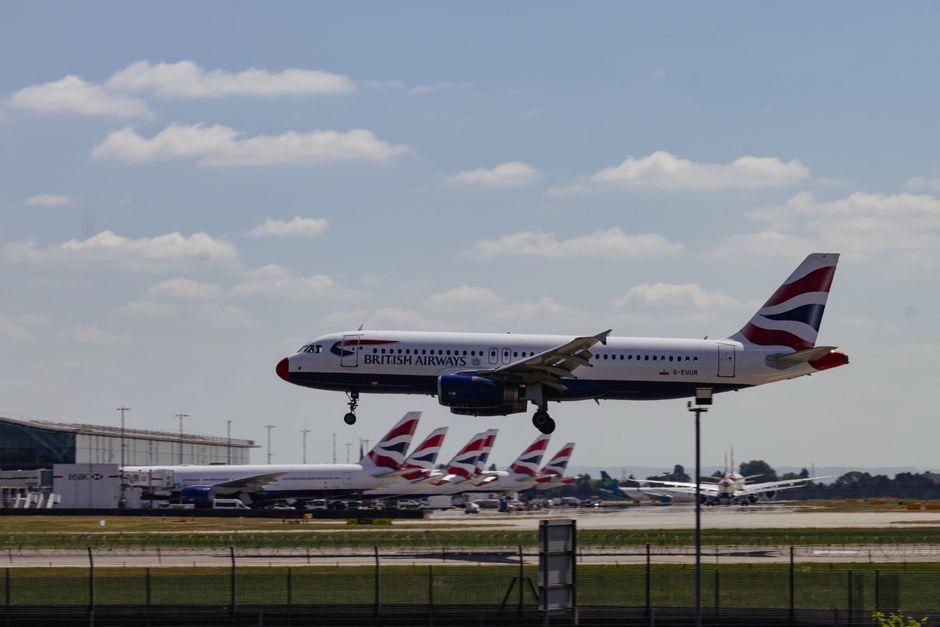
Stock photo for illustration only, not from the actual event
- UK airports handled a record-breaking 81 million-plus passengers in the second quarter.
- Gulf travel plummeted 40% to 68% following the outbreak of the Iran war.
- Low-cost carriers and surging Western Europe demand offset the massive long-haul losses.
Data released by the UK Civil Aviation Authority (CAA) shows that UK airports handled more passengers between April and June than in any comparable quarter on record, with total volume surpassing 81 million. This represented an increase of nearly 123,000 travelers compared to the same period last year, marking a modest growth rate of about 0.15%.
However, this headline milestone conceals a dramatic transformation in the traffic mix and the airlines operating those routes. Long-haul travel, particularly to the Middle East, suffered severe disruptions following the outbreak of the Iran war and a UK government travel advisory that remained in effect until June 18, triggering an abrupt collapse in regional connectivity.
Stock photo for illustration only, not from the actual event
According to CAA figures, traffic between the UK and the United Arab Emirates plunged 42%, Qatar fell 45%, Saudi Arabia dropped 40%, Bahrain slumped 54%, and Kuwait suffered a 68% decline. Combined, these five Gulf markets shed nearly 1.5 million passengers. On an individual airline basis, Emirates saw its UK passenger numbers drop 46%, while Qatar Airways fell 42%, pushing Dubai down to 15th place on the CAA's international destination table.
Weakness also spread across the eastern Mediterranean and Turkey, with Dalaman down 18%, Antalya down 12%, and Istanbul slipping 6%. Fortunately, this shortfall was counterbalanced by robust performance from budget airlines and soaring demand for short-haul European leisure destinations.
This episode highlights a vulnerability in Europe's aviation network regarding its heavy reliance on Gulf hubs for long-term connectivity—a structural dependency that Lufthansa's CEO famously characterized as an industry Achilles' heel.
Low-cost operators including easyJet, Ryanair, and Jet2 collectively absorbed an additional 2.25 million passengers. Meanwhile, Western Europe experienced a travel surge, with over a million extra visitors heading to markets such as Madrid, which grew 15%, and Barcelona, which rose 11%.
Source: Skift
Found something wrong in this article? Report an issue with this article
Comments
Leave a Comment