

France relaxes strict cheese-making rules after 2026 drought
France temporarily relaxes rules for famous cheeses like Abondance, Beaufort and Comté after a historic summer drought dried up pastures.
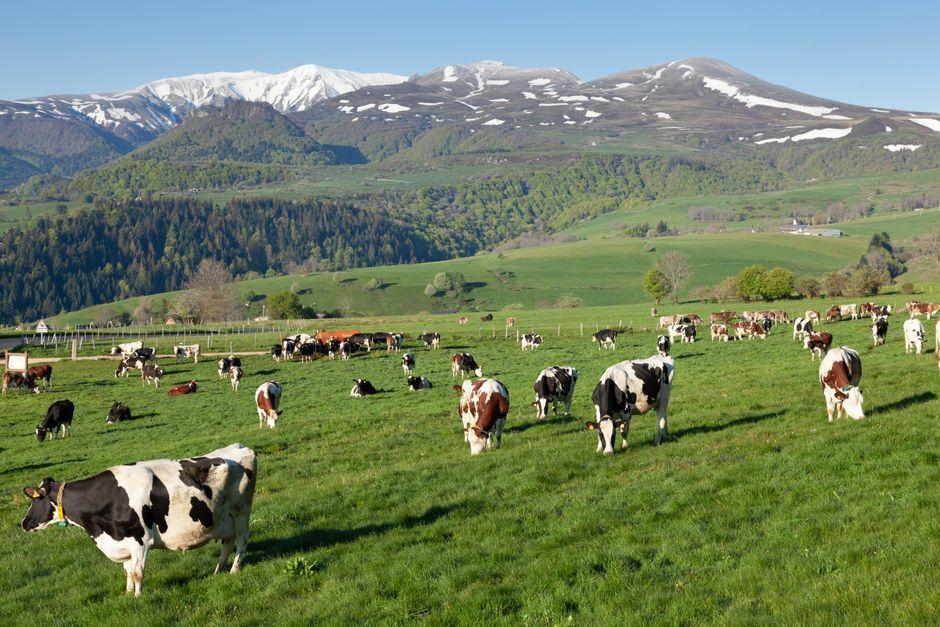
Stock photo for illustration only, not from the actual event
- France temporarily relaxes cheese and regional product rules due to the 2026 drought
- Makers of Abondance, Beaufort and Comté can bring in forage from outside their zones
- The INAO approved waivers for items including cider and Poitou-Charentes lamb
- Abondance producers in the Alps can cut pastured grass from 50% to 15%
The French government has temporarily relaxed regulations for producing some of its most famous cheeses after a summer drought drastically cut the supply of grass available for dairy herds. Government decrees granting dispensations to producers of Abondance, Beaufort, and Comté cheeses—which originate from the mountains of eastern France—were published on Wednesday.
Several other cheeses are expected to receive similar waivers, enabling farmers to feed livestock with grass and hay sourced from outside their strict geographical boundaries. These varieties include Cantal, Bleu d'Auvergne, Fourme d'Ambert, Bleu du Vercors-Sassenage, Reblochon, and the goat's cheese Rocamadour.
Stock photo for illustration only, not from the actual event
The National Institute for Origin and Quality (INAO), which regulates France's origin labels, has also approved temporary rule changes for other protected foods due to the impact of summer heatwaves. Beneficiary products include certain types of Calvados and cider from Normandy, Crémant d'Alsace sparkling wine, Poitou-Charentes lamb, and Reine-Claude plums.
Certificates of origin allow farmers to sell their products at a premium price, but they come with stringent regulations regarding production location and methods. The objective is to preserve the unique identity of cheeses, wines, and foodstuffs linked to terroir, a French concept connecting locality and tradition.
Due to the 2026 drought, which the INAO now characterizes as historic, farmers are permitted to bend these rules for a limited period. For instance, Abondance cheese makers in the Alps will be authorized to reduce pastured grass in their animals' diet from 50% down to 15%, import forage from outside their zone, and use specific supplements. Meanwhile, Comté producers in the Jura mountains can replace local green maize with maize sourced elsewhere.
These derogations are permitted under French and European law during periods of exceptional weather, mirroring similar measures implemented after the dry summer of 2022. However, looking at the longer term, such climate-driven adaptations raise fundamental questions regarding the viability of traditional origin labels, as shifting weather patterns threaten the core concept of terroir.
Source: BBC Science & Environment
Found something wrong in this article? Report an issue with this article
Comments
Leave a Comment