

Bovornsak Urges Thai Constitution Overhaul for Independent Organs
Bovornsak Urges Thai Constitution Overhaul for Independent Organs

Stock photo for illustration only, not from the actual event
- Bovornsak Urges Thai Constitution Overhaul for Independent Organs
- Bovornsak Urges Thai Constitution Overhaul for Independent Organs
- Bovornsak Urges Thai Constitution Overhaul for Independent Organs
On August 28, 2025, at 10:00 AM, the House Committee on Court, Independent Organization, Public Prosecutor, State Enterprise, Public Organization and Fund Affairs, in collaboration with King Prajadhipok's Institute, organized an academic seminar titled “Crisis of Confidence in Independent Organizations: Origins and Solutions” at the Rama Gardens Hotel in Bangkok. The event featured prominent legal and political figures including Mr. Bovornsak Uwanno, former member of the Council of State and former Deputy Prime Minister, Mr. Wichcha Mahakun, former president of the NACC, and Mr. Was Tingsamit, independent academic and former senior Supreme Court judge.
During the seminar, Mr. Bovornsak addressed the declining public trust in investigative organizations in Thailand, pointing out that the country currently houses 25 auditing groups with over 70,000 issues requiring urgent structural reforms, particularly regarding corruption. He highlighted three main issues for discussion: the origins of these organizations, their performance, and viable solutions, focusing heavily on the operations of the Election Commission of Thailand (ECT).
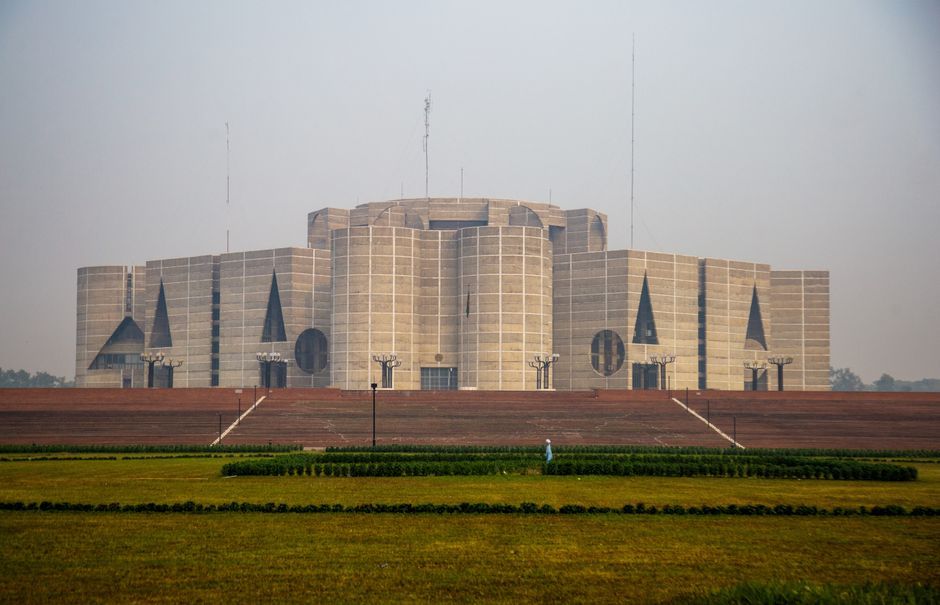
Stock photo for illustration only, not from the actual event
Mr. Bovornsak analyzed the drafting of the 1997 Constitution, which aimed to transfer political power back to citizens and establish mechanisms to impeach dishonest politicians. He noted historical election rules established in 1978 that banned festive performances during campaigns, which inadvertently severed direct communication channels between candidates and voters and elevated the role of local canvassers. He stated that if he were to draft election laws today, he would allow such campaign events to foster direct voter engagement.
Furthermore, the former Deputy Prime Minister discussed the evolving powers of the ECT from past decades to the 2000s, noting how post-election red card authorities were later transferred to the courts under the 2060 Constitution, alongside an extension of the election result certification period from 30 to 60 days. This extension has contributed significantly to delays in forming new governments and has coincided with a measurable drop in public confidence according to joint research by King Prajadhipok's Institute and the National Statistical Office.
"I admit that recent generations of the ECT have faced interference, and people have started saying the ECT looks like a political party."
Bovornsak Uwanno
The ongoing discourse surrounding Thailand's independent monitoring bodies underscores the persistent challenge of balancing institutional autonomy with public accountability. Proposals to revamp candidate selection processes and streamline electoral timelines reflect critical legislative adjustments necessary to restore faith in democratic checks and balances without compromising constitutional integrity.
In conclusion, Mr. Bovornsak proposed two primary solutions: reforming the timeline for government formation following parliamentary dissolution to curb vote-buying, and revamping the selection process for independent agency commissioners by incorporating balanced representation from the judiciary, government coalition parties, and opposition factions.
Source: Matichon Politics
Found something wrong in this article? Report an issue with this article
Comments
Leave a Comment