

Burnham says he will not vote on assisted dying
Prime Minister Andy Burnham will abstain from the assisted dying bill vote, differing from Sir Keir Starmer, while the government remains officially neutral.
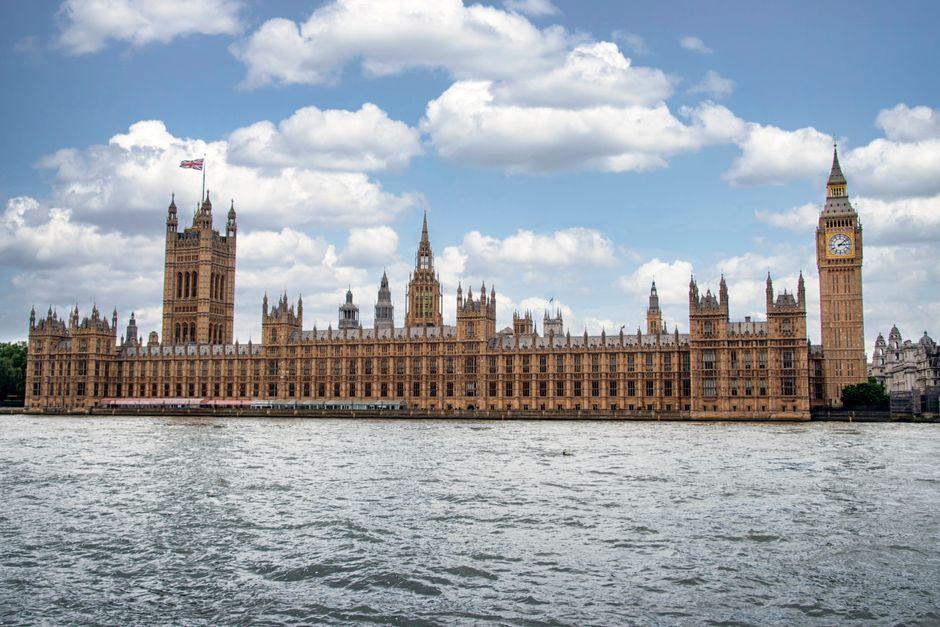
Stock photo for illustration only, not from the actual event
- Andy Burnham will not vote on the England and Wales assisted dying bill
- The government will officially remain neutral and allow MPs a free vote
- The bill permits adults over 18 expected to die within six months to seek help
Prime Minister Andy Burnham has revealed he will not vote on the assisted dying bill for England and Wales, marking a departure from his predecessor Sir Keir Starmer. Members of Parliament are expected to debate and vote on the Terminally Ill Adults (End of Life) Bill in two weeks. The legislation is identical to the one presented to Parliament last year, which passed in the House of Commons but ultimately stalled in the Lords after a record number of amendments caused it to run out of time.
Writing to Labour MPs on Friday, Burnham stated that his role as prime minister is to lead a government that implements the will of Parliament regarding this matter, regardless of whether the law changes or not. He added that he wishes to avoid unduly influencing the debate from his position and wants every colleague to recognize that this is a genuinely free vote. For these reasons, he decided that abstaining from voting at Second Reading is the most appropriate course of action, while stressing the vital importance of treating diverse viewpoints with dignity and respect.

Stock photo for illustration only, not from the actual event
Andy Burnham's decision to abstain highlights the careful balancing act required by executive leaders when managing deeply personal ethical issues that traditionally transcend strict party lines. In British parliamentary tradition, matters of conscience and life-end decisions are frequently designated as free votes to allow individual MPs to vote according to their personal convictions without party whips enforcing a unified stance.
Although his abstention contrasts with Starmer's previous support, Burnham emphasized that the government as an entity will maintain official neutrality on the bill. During his tenure as Greater Manchester mayor, Burnham indicated theoretical support for assisted dying, though he noted in June that implementation would prove challenging before improvements were made to social and palliative care systems.
"My role, as the prime minister, will be to lead a government that implements the will of Parliament in this area – whether that is to change the law or not."
Andy Burnham
The proposed legislation would permit adults aged 18 and over who are expected to pass away within six months to receive assistance in ending their lives, subject to rigorous safeguards. Health Secretary Yvette Cooper previously voted in favor of assisted dying, whereas her predecessor Wes Streeting openly voiced concerns regarding potential implications for the National Health Service.
Supporters of the bill, introduced by Labour MP Lauren Edwards, hope it will pass through the Commons without amendments. An amended bill would eliminate parliamentary powers allowing the Commons to override the Lords if upper-house members refuse endorsement. During the previous parliamentary session earlier this year, the Lords tabled more than 1,200 amendments, prompting terminal cancer campaigner Dame Esther Rantzen to accuse opponents of attempted sabotage. Meanwhile, opponents have vowed to continue close scrutiny, and a separate bill aimed at legalizing assisted dying in Scotland was rejected by the Scottish Parliament in March 2026.
Source: BBC Politics
Found something wrong in this article? Report an issue with this article
Comments
Leave a Comment