

How I Beat My Late-Night Shopping Addiction: Spending £700
Ella Hewitt and financial experts from UKat Group share insights on overcoming impulsive online shopping habits that drain personal finances.
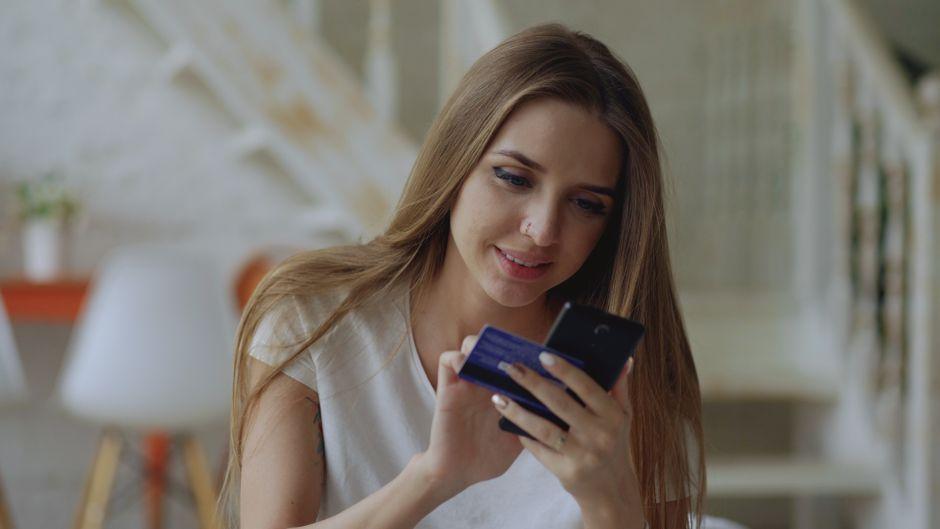
Stock photo for illustration only, not from the actual event
- Global study reveals 7% of adults experience shopping addiction.
- Ella Hewitt spent up to £700 a month on fast fashion.
- UKat Group reports 90% of shopping addiction patients are women.
- Practical tactics include a 30-day waiting rule and deleting shopping apps.
You may well have been there. It is late, you are scrolling on your phone and suddenly feel a strong urge to buy something, only to wake up the next day and regret it. But what happens when those impulse buys become a habit rather than a one-off?
One global study suggests 7% of adults experience shopping addiction—an uncontrollable urge to spend despite financial consequences—with younger women being more susceptible. Ella Hewitt, from Liverpool, says her shopping addiction got so bad in 2021 that she was spending up to £700 a month on fast fashion she could not afford and sometimes never even wore.
She was working as an HR assistant in a school at the time, and her spending meant she could not afford to move out of her family home. Horrified by how much she was buying, she began using diversionary tactics to control her spending habits.
"That dopamine hit kept me shopping and in the world of social media there is just so much encouragement to do that."
Ella Hewitt
One tactic was to put anything she felt like buying on a wish list and wait 30 days. Ella gave herself an imaginary budget of £1,000 each day to spend on imaginary purchases, which scratched the itch of shopping without the actual cost. Furthermore, she vowed only to buy something if she could afford to buy it three times. Overall, this cut her spending by about 60%. Ella now works as an ethical fashion influencer and plans to launch her own clothing brand.

Stock photo for illustration only, not from the actual event
Digital shopping addiction is frequently fueled by UI/UX designs that minimize friction, such as one-click checkouts and targeted ads that trigger continuous dopamine loops. Implementing artificial barriers, like removing saved credit cards or imposing cooling-off periods, disrupts the psychological trigger-reward cycle.
The UKat Group, which runs addiction treatment centres across the country, says it has seen more people struggling with shopping addictions, noting that 90% of those affected are women. Experts recommend several warning signs and coping mechanisms:
- Wait 48 hours or longer before purchasing something to let the urge fade.
- Delete saved credit card numbers and shopping apps from your phone.
- Write a shopping list before entering a store or site, and stick to it.
- Unsubscribe from retailer newsletters and alerts and unfollow influencers.
- Use up products before buying new ones and accessorize instead of buying new outfits.
Dish Patel, who now works as a financial planner, similarly experienced overspending on trending items. Her turning point came when she deleted shopping apps like Asos and Pretty Little Thing, removed ApplePay, and started leaving her bank cards at home.
Source: BBC Business
Found something wrong in this article? Report an issue with this article
Comments
Leave a Comment