

AI chip crisis drives up costs and lowers tech specs
Omdia's Runar Bjørhovde and CCS Insight's Ben Wood note memory costs jumped 4-5x, hitting devices under $500 hard.
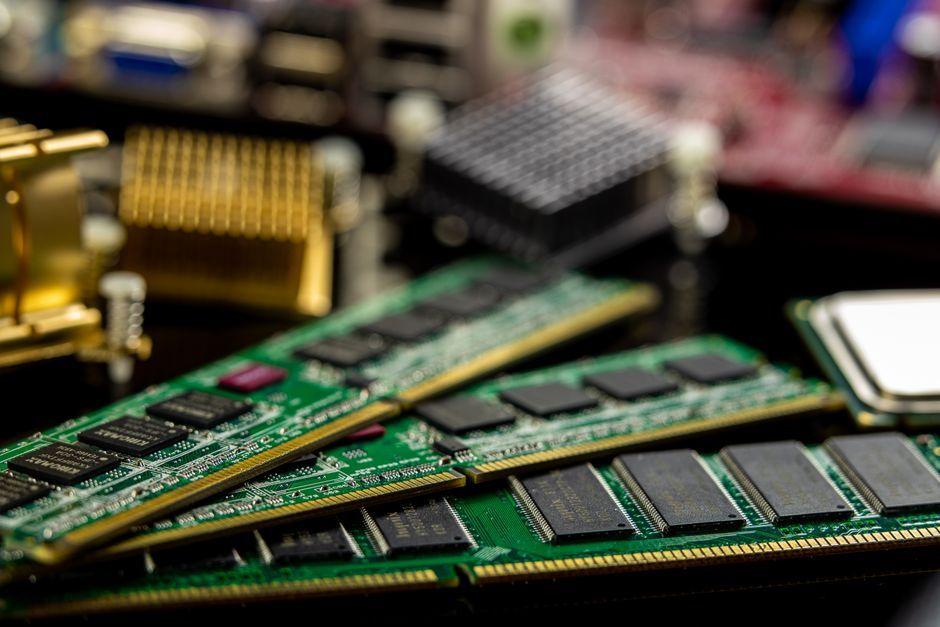
Stock photo for illustration only, not from the actual event
- Memory component prices have surged by 4 to 5 times compared to last year
- Manufacturers are countering costs by shifting back to 4G smartphones
- Budget devices under 500 dollars suffer the most noticeable spec downgrades
- The hardware crunch is projected to persist through mid-2028
The global craze for artificial intelligence infrastructure is creating massive ripple effects across the consumer hardware market. Runar Bjørhovde, senior analyst at Omdia, revealed that memory component prices have soared to four to five times higher than they were about a year ago. As a result, memory now accounts for more than half of the total bill of materials for certain budget devices, compared to just 10 to 15 percent previously. This unprecedented level of cost pressure has forced manufacturers to make strategic adjustments, primarily by cutting hardware specifications to protect their profit margins.
Ben Wood, analyst at CCS Insight, added that smartphone brands are increasingly reverting to manufacturing 4G devices because they require significantly less memory than equivalent 5G models. Meanwhile, other brands are choosing to reduce internal storage capacities, downgrade camera lenses, or utilize older processor chips from Qualcomm and MediaTek instead to keep retail prices somewhat manageable.
However, the fallout from this crisis is far from uniform across the entire market. High-end laptop computers continue to maintain their robust specifications and performance tiers because luxury buyers expect uncompromising power for their investment. In contrast, downgrading components in the budget segment is proving far more commercially viable for manufacturers. Hatton estimated that consumers shopping for smartphones or laptops under the 500 US dollar threshold face a high probability of receiving devices with noticeably diminished performance. This dynamic has severely squeezed the mid-range market as vendors push buyers toward higher-tier products capable of absorbing inflated component expenses.
"If consumers are looking for smartphones or laptops under 500 US dollars, there is a high probability they will get devices with lower performance than before."
Ben Wood, Analyst at CCS Insight
Early signals of this structural shift are already visible through major manufacturer shipment metrics. Bjørhovde highlighted Samsung and its Galaxy A16 4G model, an affordable entry-level device sold for roughly 18 months that remains the company's volume leader across Europe. Concurrently, Xiaomi experienced a noticeable dip, with Counterpoint Research and Omdia data showing its second-quarter 2026 shipments hitting 31.2 million units, down 26 percent year-over-year. Xiaomi emerged as the hardest hit among top-tier brands since over half of its shipments comprised phones priced below 200 US dollars. Despite this, the company's revenue dropped by only 5 percent during the first half of 2026 due to a deliberate pivot toward higher-priced inventory.
Stock photo for illustration only, not from the actual event
This market phenomenon highlights a broader macroeconomic competition for semiconductor fabrication capacity. As cloud service providers and enterprise giants aggressively procure advanced memory and high-end GPUs for data center expansions, semiconductor foundries naturally prioritize lucrative high-margin enterprise silicon over basic consumer components. Furthermore, the two-to-three-year timeline required to construct new fabrication plants ensures that the low-end supply chain cannot recover quickly. Consequently, consumer technology consumption habits are shifting, prompting many users to reconsider the refurbished hardware market as a viable alternative.
With the manufacturing cost of brand-new hardware rising steeply, the market for refurbished devices is expanding by default. In many instances, flagship phones that are two to three years old now command prices comparable to brand-new budget models with inferior specifications. Analysts from both research firms concur that this memory crunch will endure for a considerable duration. Bjørhovde predicts component pricing will not experience meaningful relief within the next 18 months, while Hatton projects the squeeze will persist at least until mid-2028, marking a systemic shift in how consumers interact with technology.
Source: Thairath Lifestyle
Found something wrong in this article? Report an issue with this article
Comments
Leave a Comment