

Musk’s Gas Turbines Strategy for AI Data Centers
Major tech giants including Amazon, Google, and Microsoft are building private gas-fired plants next to data centers to bypass grid delays.
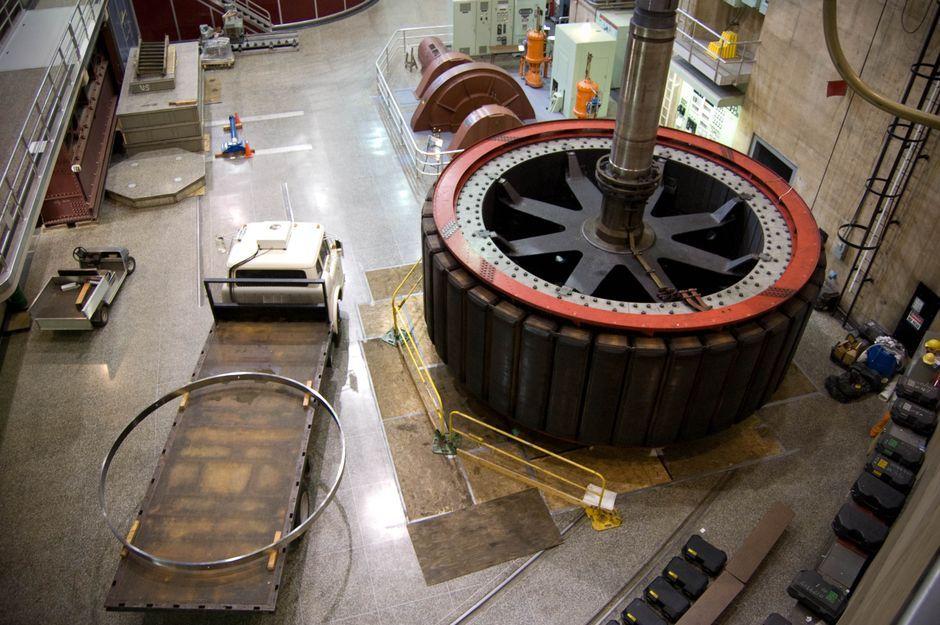
Stock photo for illustration only, not from the actual event
- Tech giants are building private gas plants next to data centers
- Casting large turbine blades as single crystals is extremely difficult
- SpaceX could gain a rare manufacturing edge in AI infrastructure
- Faster turbine deployment triggers pollution concerns and lawsuits
Faced with surging energy demands for artificial intelligence, major tech players including Amazon, Google, Meta, OpenAI, and Microsoft are increasingly building private gas-fired power plants directly adjacent to their data centers rather than waiting for public grid connections.
A major bottleneck in this strategy lies in the manufacturing of turbine blades, which must be cast as a single, unbroken crystal inside a vacuum furnace to prevent stress fractures. Because power-plant turbine blades are significantly larger than those used in jet engines, producing them at scale without structural defects is exceptionally challenging.
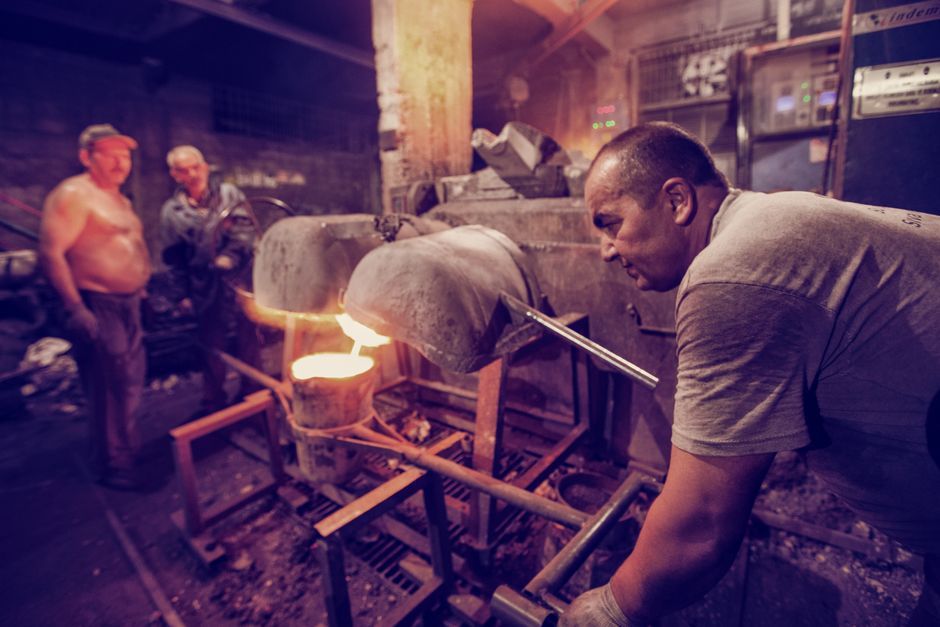
Stock photo for illustration only, not from the actual event
If SpaceX succeeds in mastering this manufacturing process, it will secure a capability that currently relies on a tiny oligopoly of suppliers, giving Musk's venture a substantial competitive advantage over well-funded rivals who lack in-house manufacturing prowess.
The trend of tech companies investing in private fossil-fuel generation highlights a critical bottleneck in modern energy grids, which are struggling to keep pace with the massive power requirements of AI expansion despite earlier commitments to wind and solar energy.
Nevertheless, accelerating the rollout of natural gas turbines carries severe environmental trade-offs, as operational turbines are already attracting federal lawsuits and peer-reviewed health studies concerning their emissions and pollution levels.
Source: TechCrunch
Found something wrong in this article? Report an issue with this article
Comments
Leave a Comment