

Meta Testing Robots to Work in Data Centers
Meta is currently testing robots to handle routine data center tasks typically performed by human technicians.
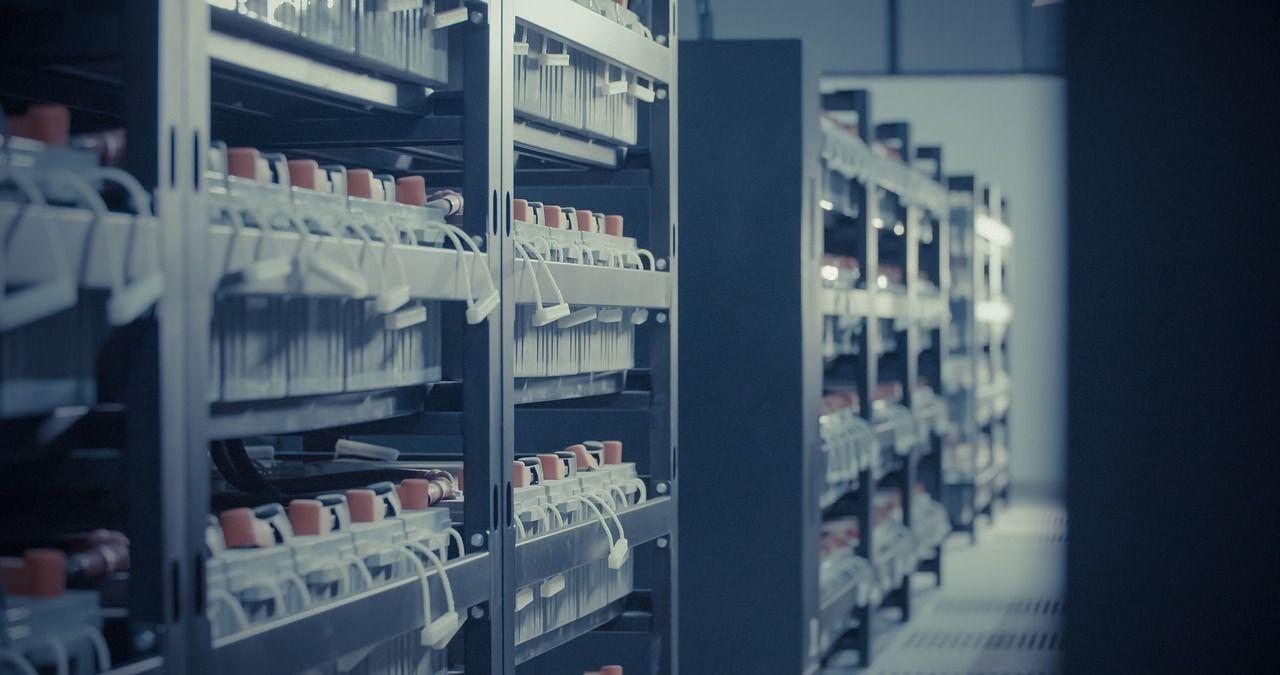
Stock photo for illustration only, not from the actual event
- Meta is testing robots inside its data center facilities
- The initiative focuses on tasks usually performed by technicians
- The project highlights the push toward hardware automation
Meta is actively conducting tests with robots designed to carry out operational tasks typically handled by human technicians inside its data center facilities. This trial marks a strategic step toward evaluating how automation can streamline physical maintenance across the company's massive digital infrastructure.
This initiative unfolds as major technology companies race to scale up data center operations to support surging workloads driven by artificial intelligence. Integrating robotics into these environments represents a growing interest in optimizing facility management and operational workflows.
Stock photo for illustration only, not from the actual event
Deploying robots in data centers represents a critical frontier for industrial automation. Because data centers are tightly controlled, highly structured environments, deploying robots to handle repetitive duties—such as checking hardware status indicators, managing routine cabling, or performing basic facility checks—can significantly reduce human error and enhance safety in restricted areas. However, integrating these machines requires robust software control to ensure seamless operation alongside legacy infrastructure.
While the initiative remains in the testing phase, it underscores Meta's broader strategy of investing not only in advanced AI software models but also in the physical infrastructure and hardware automation required to support next-generation computing power.
Source: Ars Technica
Found something wrong in this article? Report an issue with this article
Comments
Leave a Comment